Love this? Save it for later!
Share the inspiration with your friends
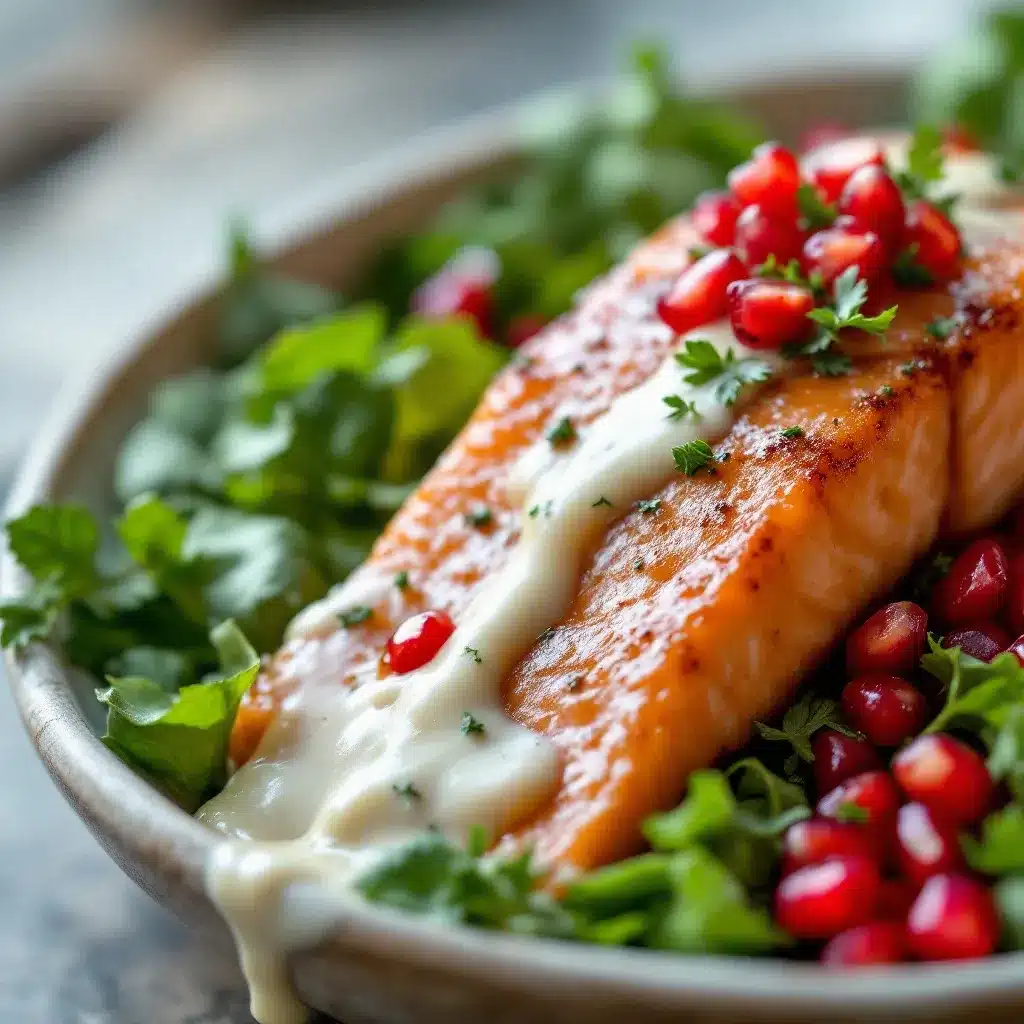
The sticky, garnet-dark sheen on the salmon filet catches the kitchen light, and that is the whole point. It’s not just a glaze; it’s a lacquer, a promise of something tangy and sweet that pulls you in before you even take a bite. I made this pomegranate molasses glazed salmon for the first time on a Tuesday night when I was tired of my usual lemon-and-herb rotation. Honestly, I was chasing a color more than a flavor—I wanted that deep, jewel-toned finish that makes a simple weeknight dinner feel like a celebration.
I had a bottle of pomegranate molasses sitting in my pantry, bought on a whim after reading about its use in Middle Eastern cooking. It felt like a secret weapon I had never quite learned how to use. That night, I brushed it over some salmon, threw it under the broiler, and watched as the sugars caramelized into something almost black in spots—not burnt, just intensely concentrated. The smell that filled the kitchen was unlike anything I’d made before: fruity, a little smoky, and deeply savory all at once.
That first bite was a quiet revelation. The pomegranate molasses glazed salmon wasn’t just good; it was the kind of good that makes you stop scrolling through your phone and actually pay attention to what’s on your plate. The tartness cut through the richness of the fish perfectly, and the texture—that glossy, slightly tacky exterior—was exactly what I had been craving without knowing it. This recipe stuck because it proved that one unusual ingredient can turn a regular dinner into something you remember. Trust me on this one.
Why You’ll Love This Recipe
I have tested this pomegranate molasses glazed salmon at least a dozen times, tweaking the balance of sweet and sour until it felt just right. It is not just another salmon recipe—it is the one that makes you look like a pro with minimal effort. Here is why it works so well.
- Quick & Easy: From start to finish, this dish comes together in under 25 minutes. Perfect for those nights when you need something impressive but have zero time to fuss.
- Simple Ingredients: You probably already have the pantry staples like soy sauce, garlic, and olive oil. The only special ingredient is pomegranate molasses, which is easy to find online or at most grocery stores.
- Perfect for Entertaining: This salmon looks stunning on a plate. The glossy, deep-red glaze makes it feel restaurant-quality, ideal for dinner parties or holiday meals without the stress.
- Crowd-Pleaser: Even people who claim they do not like fish tend to love this. The glaze is so flavorful that it wins over skeptics every time.
- Unbelievably Delicious: The combination of tangy pomegranate, savory soy, and a hint of garlic creates a flavor profile that is complex but totally approachable. It’s comfort food with a sophisticated twist.
What makes this version different from others is the technique. Instead of just brushing the glaze on at the end, I let the salmon marinate briefly and then baste it during cooking. This builds layers of flavor and ensures that gorgeous, caramelized crust. It is the kind of recipe that makes you close your eyes after the first bite—seriously. It is comfort food reimagined: faster, healthier, but with the same soul-soothing satisfaction you want from a great dinner.
What Ingredients You Will Need
This recipe uses simple, wholesome ingredients to deliver bold flavor and satisfying texture without the fuss. Most of these are pantry staples, and the few special ones are easy to source.
- Salmon Fillets (4 fillets, about 6 oz each): Look for wild-caught salmon if possible—it has a firmer texture and cleaner flavor. I prefer skin-on fillets because the skin gets wonderfully crispy under the broiler. (Pro tip: ask your fishmonger for center-cut fillets for even cooking.)
- Pomegranate Molasses (¼ cup): This is the star of the show. It is thick, dark, and intensely tangy-sweet. I recommend the brand Cortas for its consistent quality. You can find it in Middle Eastern markets or online. Do not substitute with regular pomegranate juice—it won’t reduce properly.
- Soy Sauce (2 tablespoons): Use low-sodium soy sauce to control the saltiness. It adds umami depth that balances the sweetness of the molasses. Tamari works great for a gluten-free option.
- Olive Oil (1 tablespoon): A good extra-virgin olive oil adds richness and helps the glaze cling to the fish.
- Garlic (2 cloves, minced): Fresh garlic is non-negotiable here. It adds a pungent kick that mellows beautifully during cooking. Avoid the jarred stuff—it just tastes flat.
- Dijon Mustard (1 teaspoon): This is my little secret. It emulsifies the glaze and adds a subtle tang that brightens everything up.
- Salt and Black Pepper (to taste): Keep it simple. Use flaky sea salt for finishing if you have it.
- Fresh Thyme or Rosemary (optional, for garnish): A few sprigs add a lovely herbal note and make the dish look even more beautiful.
Substitution Guidance
If you cannot find pomegranate molasses, you can make your own by simmering pomegranate juice with sugar and lemon juice until it thickens. For a soy-free version, use coconut aminos. And if you prefer a milder flavor, swap half the pomegranate molasses with honey or maple syrup—though honestly, the tangy punch is what makes this dish special.
Equipment Needed
You do not need fancy equipment to make this pomegranate molasses glazed salmon, but a few key tools make the process smoother.
- Baking Sheet or Oven-Safe Skillet: A rimmed baking sheet lined with foil or parchment makes cleanup a breeze. I prefer a cast-iron skillet because it retains heat well and gives the salmon a gorgeous sear.
- Small Mixing Bowl: For whisking together the glaze. Any small bowl will do.
- Pastry Brush or Spoon: A silicone pastry brush is ideal for applying the glaze evenly. A regular spoon works in a pinch.
- Instant-Read Thermometer: This is my favorite tool for perfect salmon. It takes the guesswork out of doneness—look for 125°F for medium-rare.
- Fish Spatula: A thin, angled spatula makes flipping and serving the fillets much easier without breaking them.
If you do not have a pastry brush, just use a spoon to drizzle the glaze over the salmon. And if you are using a baking sheet, make sure it is heavy-duty so it does not warp under the broiler. Budget tip: a basic sheet pan from the dollar store works fine—just double up on the foil.
Preparation Method
- Preheat your broiler to high and position the oven rack about 6 inches from the heat source. Line a baking sheet with foil or parchment for easy cleanup.
- Make the glaze: In a small bowl, whisk together ¼ cup pomegranate molasses, 2 tablespoons low-sodium soy sauce, 1 tablespoon olive oil, 2 minced garlic cloves, and 1 teaspoon Dijon mustard. Set aside about 2 tablespoons of the glaze for basting later.
- Prep the salmon: Pat your 4 salmon fillets dry with paper towels. This step is crucial—dry skin means crispy skin. Season both sides generously with salt and black pepper. Place the fillets skin-side down on the prepared baking sheet.
- Brush the glaze: Using a pastry brush, coat the tops and sides of the salmon fillets with the glaze mixture. Do not forget the edges—they need flavor too. Let the fillets sit for 5 minutes to absorb the glaze. (This is a good time to wash your hands and tidy up.)
- Broil the salmon: Place the baking sheet under the broiler and cook for 6 minutes. Keep an eye on it—broilers vary wildly in intensity. You want the glaze to bubble and caramelize, not burn.
- Baste and continue cooking: After 6 minutes, remove the sheet from the oven. Using the reserved glaze, brush another layer over the fillets. Return to the broiler for another 2-4 minutes, depending on thickness. The internal temperature should reach 125°F for medium-rare or 135°F for medium.
- Rest and serve: Remove the salmon from the oven and let it rest for 2-3 minutes. This allows the juices to redistribute. The glaze will be sticky and glossy—exactly what you want. Garnish with fresh thyme or rosemary if desired.
Sensory cue: At the 6-minute mark, the glaze should look dark and bubbly, and the edges of the salmon should be opaque. The smell will be incredible—fruity, savory, and a little smoky. If the glaze starts to blacken in spots, that is fine; those bits are intensely flavorful.
Cooking Tips & Techniques
I have made this pomegranate molasses glazed salmon enough times to know where things can go wrong. Here is what I have learned.
Watch the broiler like a hawk. Broilers are unpredictable. I once walked away for two minutes and came back to a smoking, charred mess. The sugar in the molasses burns fast. Set a timer and check early.
Do not skip the resting step. I know it is tempting to dig in right away, but resting the salmon for a few minutes makes it juicier. The carryover cooking also brings it to the perfect temperature without overcooking.
Use a thermometer. Honestly, this is the best investment you can make for cooking fish. Guessing doneness by flaking or color is unreliable. A thermometer takes the stress out of the process.
Line your pan. The glaze gets sticky and can be a pain to scrub off. Foil or parchment saves you from a frustrating cleanup. Trust me on this—I learned the hard way.
Double the glaze. If you are serving this for a crowd, make extra glaze and simmer it on the stovetop until it thickens. Drizzle it over the finished salmon for an extra pop of flavor and shine.
Variations & Adaptations
This pomegranate molasses glazed salmon is versatile, and I have tried a few twists that turned out great.
- Spicy Version: Add ½ teaspoon of red pepper flakes or a drizzle of sriracha to the glaze. The heat cuts through the sweetness beautifully. I made this for a game-day party once, and it disappeared in minutes—kind of like how our loaded BBQ pulled pork nachos always vanish at gatherings.
- Herb-Crusted: After brushing on the glaze, press a mixture of chopped fresh dill, parsley, and chives onto the fillets before broiling. The herbs toast slightly and add a lovely freshness.
- Honey-Pomegranate Swap: Replace half the pomegranate molasses with honey for a milder, sweeter glaze. This works well if you are serving kids or anyone sensitive to tangy flavors.
- Air Fryer Method: Cook the glazed salmon in an air fryer at 375°F for 8-10 minutes, flipping halfway through. The air fryer gives an incredibly crispy exterior.
- Dairy-Free Option: The recipe is already dairy-free, but make sure your Dijon mustard does not contain any milk derivatives. Most are fine, but check the label.
I once tried a version with orange zest added to the glaze, and it was fantastic—bright and citrusy. Feel free to experiment and make this recipe your own.
Serving & Storage Suggestions
This pomegranate molasses glazed salmon is best served warm, right after it comes out of the oven. The glaze is at its glossiest and the skin is at its crispiest. I love pairing it with a simple side like roasted asparagus or a fresh arugula salad with lemon vinaigrette. For a heartier meal, serve it over fluffy couscous or alongside our cozy slow cooker tomato basil soup for a surprisingly good combo.
Storage: Leftover salmon keeps in an airtight container in the refrigerator for up to 3 days. The glaze will soften, but the flavor stays strong. I do not recommend freezing cooked salmon—the texture suffers when thawed.
Reheating: The best way to reheat is in a skillet over medium heat with a splash of water or extra pomegranate molasses. Cover the pan and cook for 2-3 minutes until warmed through. Avoid the microwave—it makes the fish rubbery and the glaze gummy.
Make-Ahead Tip: You can prep the glaze up to 3 days in advance and store it in the fridge. When you are ready to cook, just brush it on and broil. This makes weeknight dinners feel effortless.
Nutritional Information & Benefits
This pomegranate molasses glazed salmon is not just delicious—it is packed with nutrients. Here is a rough estimate per serving (one fillet with glaze):
- Calories: 380
- Protein: 35g
- Fat: 22g (mostly healthy omega-3s)
- Carbohydrates: 12g
- Fiber: 0g
- Sugar: 10g (naturally occurring from molasses)
Salmon is one of the best sources of omega-3 fatty acids, which support heart and brain health. Pomegranate molasses is rich in antioxidants, particularly punicalagins, which may help reduce inflammation. This dish is naturally gluten-free and dairy-free, making it a great option for many dietary needs. If you are watching your sodium, use low-sodium soy sauce and go easy on the added salt.
I love that this recipe feels indulgent but is actually quite wholesome. It is the kind of meal that leaves you satisfied without feeling heavy—perfect for a balanced lifestyle.
Conclusion
This pomegranate molasses glazed salmon is the kind of recipe that proves you do not need a dozen ingredients or hours in the kitchen to make something unforgettable. The glossy, tangy-sweet glaze transforms simple salmon into a dish that feels special enough for company but easy enough for a Tuesday night. I have made it for quiet dinners alone and for holiday gatherings, and it never fails to impress.
I hope you give this recipe a try and make it your own. Maybe you will add a pinch of cayenne for heat or swap in maple syrup for a different sweetness. Whatever you do, I would love to hear about it. Drop a comment below and let me know how your pomegranate molasses glazed salmon turned out, or share your own twist on the recipe. Your feedback helps this little corner of the internet grow, and honestly, I just love hearing from you. Happy cooking!
Frequently Asked Questions
Can I use frozen salmon for this recipe?
Yes, just make sure to thaw it completely in the refrigerator overnight. Pat it very dry before glazing to ensure the glaze sticks and the skin gets crispy.
What can I substitute for pomegranate molasses?
You can make your own by simmering 1 cup of pomegranate juice with ¼ cup sugar and 1 tablespoon lemon juice until it reduces to about ¼ cup. It will not be quite as thick, but it works in a pinch.
How do I know when the salmon is done?
The best way is to use an instant-read thermometer. Insert it into the thickest part of the fillet—125°F for medium-rare, 135°F for medium. The flesh should also flake easily with a fork.
Can I grill this salmon instead of broiling?
Absolutely! Preheat your grill to medium-high and oil the grates well. Grill the salmon skin-side down for 4-5 minutes, then brush with glaze, flip, and cook for another 3-4 minutes. Keep an eye on it to prevent burning.
Is this recipe good for meal prep?
Yes, but with a caveat. The salmon is best fresh, but you can prep the glaze ahead of time and store it in the fridge for up to 3 days. Cooked leftovers keep for 2-3 days in the fridge and reheat well in a skillet.
Pin This Recipe!
Pomegranate Molasses Glazed Salmon: Best Easy Dinner
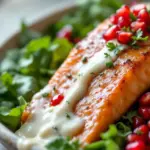
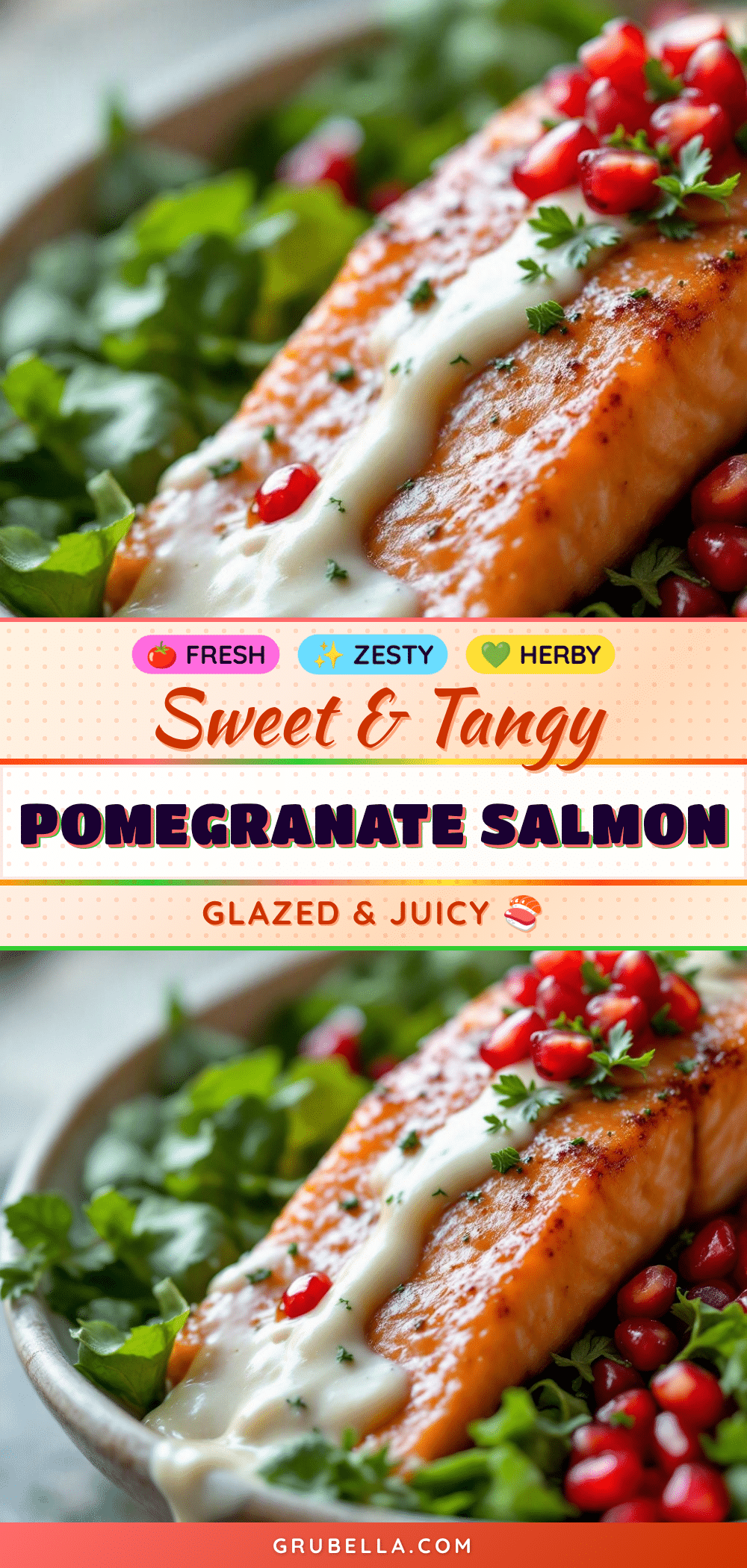
This pomegranate molasses glazed salmon is a quick and easy weeknight dinner that feels restaurant-quality. The tangy-sweet glaze caramelizes under the broiler, creating a glossy, flavorful crust that pairs perfectly with tender salmon.
- Prep Time: 10 minutes
- Cook Time: 10 minutes
- Total Time: 20 minutes
- Yield: 4 servings 1x
- Category: Main Course
- Cuisine: Middle Eastern
Ingredients
- 4 salmon fillets (about 6 oz each)
- ¼ cup pomegranate molasses
- 2 tablespoons low-sodium soy sauce
- 1 tablespoon olive oil
- 2 cloves garlic, minced
- 1 teaspoon Dijon mustard
- Salt and black pepper to taste
- Fresh thyme or rosemary (optional, for garnish)
Instructions
- Preheat your broiler to high and position the oven rack about 6 inches from the heat source. Line a baking sheet with foil or parchment.
- In a small bowl, whisk together ¼ cup pomegranate molasses, 2 tablespoons low-sodium soy sauce, 1 tablespoon olive oil, 2 minced garlic cloves, and 1 teaspoon Dijon mustard. Set aside about 2 tablespoons of the glaze for basting later.
- Pat the 4 salmon fillets dry with paper towels. Season both sides generously with salt and black pepper. Place the fillets skin-side down on the prepared baking sheet.
- Using a pastry brush, coat the tops and sides of the salmon fillets with the glaze mixture. Let the fillets sit for 5 minutes to absorb the glaze.
- Place the baking sheet under the broiler and cook for 6 minutes. Keep an eye on it to prevent burning.
- After 6 minutes, remove the sheet from the oven. Using the reserved glaze, brush another layer over the fillets. Return to the broiler for another 2-4 minutes, depending on thickness. The internal temperature should reach 125°F for medium-rare or 135°F for medium.
- Remove the salmon from the oven and let it rest for 2-3 minutes. Garnish with fresh thyme or rosemary if desired.
Notes
Watch the broiler closely to prevent burning. Let the salmon rest after cooking for juicier results. Line the pan with foil or parchment for easy cleanup. Double the glaze if serving a crowd and simmer on the stovetop for extra thickness.
Nutrition
- Serving Size: 1 fillet with glaze
- Calories: 380
- Sugar: 10
- Sodium: 500
- Fat: 22
- Saturated Fat: 4
- Carbohydrates: 12
- Protein: 35
Keywords: pomegranate molasses glazed salmon, easy salmon recipe, quick dinner, broiled salmon, healthy salmon, gluten-free salmon, dairy-free salmon