Love this? Save it for later!
Share the inspiration with your friends
I thought the skin of a delicata squash was going to be a tough, inedible hurdle to climb. It took about twenty minutes of aggressive scraping for that assumption to fall apart completely. Honestly, I was standing over my counter with a paring knife, ready to peel away what I assumed was a waxy, plastic-like shell. The internet promised me that this specific variety was the “easy button” for winter squash, but my hands-on experience had always been with butternut, where the skin is basically armor.
Then I sliced into the delicata. The flesh was soft, the seeds were easy to scoop, and the skin? It turned translucent and tender in the oven. It was a total game-changer for my weeknight cooking routine. I remember the first time I tasted the roasted edge of the skin, it had a slight crispness that contrasted with the sweet, creamy interior. It felt like cheating, but in the best way possible.
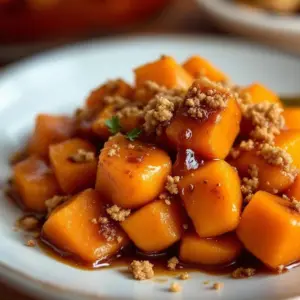
Adding maple brown butter to the mix was supposed to be the finishing touch, but it ended up being the star of the show. The nutty aroma of the browned butter filled the kitchen, mixing with the earthy sweetness of the squash. I didn’t plan on making this a standalone dish, but the combination was too good to ignore. It turned a simple side vegetable into the main event of my dinner table.
I’ve made this creamy roasted delicata squash with maple brown butter at least five times this season alone. It’s become my go-to when I want something that feels fancy but requires zero effort. There is something deeply satisfying about roasting a vegetable that practically cooks itself, especially when the result is this rich and comforting. It’s the kind of dish that makes you forget you’re eating vegetables.
Why You’ll Love This Recipe
After years of wrestling with hard-shelled squashes and burning butter in pans, I have finally cracked the code on effortless elegance. This recipe isn’t just another take on roasted vegetables; it is the result of testing dozens of methods to find the perfect balance of texture and flavor. I tested different butter temperatures, sugar ratios, and roasting times to ensure you get that perfect caramelization without the mess. Here is why this specific combination works so well:
- Quick & Easy: The prep time is minimal because you don’t even need to peel the squash. It comes together in under 45 minutes, which is perfect for those busy weeknights when you want to eat well but don’t have hours to spend in the kitchen.
- Simple Ingredients: You likely already have everything you need in your pantry. No fancy grocery trips are required. You just need a delicata squash, butter, maple syrup, and some basic spices. It is wholesome, simple, and incredibly satisfying.
- Perfect for Fall Gatherings: This dish is a crowd-pleaser that fits perfectly into any autumn menu. Whether you are hosting a Thanksgiving dinner or a cozy Tuesday night dinner with friends, it adds a sophisticated touch without the stress.
- Unbelievably Delicious: The texture is next-level comfort food. The squash becomes almost custard-like in the center, while the edges get slightly crisp. The maple brown butter ties it all together with a nutty, sweet depth that you just can’t get from regular butter alone.
- Healthier Comfort: This isn’t just good—it is the kind of dish that makes you close your eyes after the first bite. It feels indulgent, but it is packed with fiber and vitamins. It is comfort food reimagined, offering that soul-soothing satisfaction without the heavy guilt.
What makes this recipe different from the rest is the technique used for the butter. Many people just melt butter and pour it on top. By actually browning the butter first, you unlock a whole new layer of flavor that penetrates the squash deeply. It is your best version of a simple side dish.
What Ingredients You Will Need
This recipe uses simple, wholesome ingredients to deliver bold flavor and satisfying texture without the fuss. The beauty of this dish lies in the quality of the few components you use. Since there are no hidden fillers or complex sauces, each ingredient needs to shine on its own. I prefer using high-quality butter and pure maple syrup to ensure the flavors are rich and not overly artificial.
- Delicata Squash: 1 large or 2 medium delicata squash, washed and sliced into half-moons. Look for firm squash with no soft spots. The skin is edible, so no peeling is necessary. (This is the star of the show.)
- Unsalted Butter: 4 tablespoons (60g), high-fat content. I recommend using European-style butter if you can find it, as it has a higher fat content which helps create a richer brown butter. (Adds richness.)
- Pure Maple Syrup: 2 tablespoons (30ml). Make sure it is 100% pure maple syrup, not pancake syrup. The grade doesn’t matter much, but darker syrup will give a more robust flavor. (Adds sweetness and gloss.)
- Extra Virgin Olive Oil: 1 tablespoon (15ml). Helps the squash roast evenly and adds a slight fruity note that balances the sweetness. (Prevents sticking.)
- Sea Salt: 1 teaspoon, or to taste. Flaky sea salt for finishing is a nice touch, but kosher salt works well for seasoning before roasting. (Enhances natural sweetness.)
- Black Pepper: 1/2 teaspoon, freshly cracked. Adds a bit of heat to cut through the richness of the butter. (Provides contrast.)
- Ground Cinnamon: 1/2 teaspoon. A warm spice that complements the squash perfectly. (Adds aromatic warmth.)
- Ground Nutmeg: 1/4 teaspoon. Use freshly grated if possible, as it has a much stronger flavor than pre-ground. (Adds depth.)
- Fresh Sage Leaves: 6-8 leaves, torn. Sage is the classic pairing for squash. If you don’t have fresh sage, you can use 1 teaspoon of dried sage, but fresh is better. (Adds herbal aroma.)
- Pumpkin Pie Spice: 1/2 teaspoon. An optional addition if you want a more pronounced fall flavor profile. (Adds complexity.)
For the best results, I suggest buying your delicata squash from a local farmer’s market if possible, as they are often fresher and thinner-skinned. If you substitute with another squash, like acorn or butternut, keep in mind that the cooking time may vary slightly. But for this specific recipe, delicata is the way to go for that tender skin experience.
Can I use frozen delicata squash?
While fresh is always best for roasting, you can use pre-cut frozen delicata squash in a pinch. However, you will need to thaw it completely and pat it very dry before roasting. Frozen squash releases more water, which can lead to steaming instead of roasting, so the texture won’t be as crispy. Fresh is definitely the superior choice for this recipe.
What if I don’t have maple syrup?
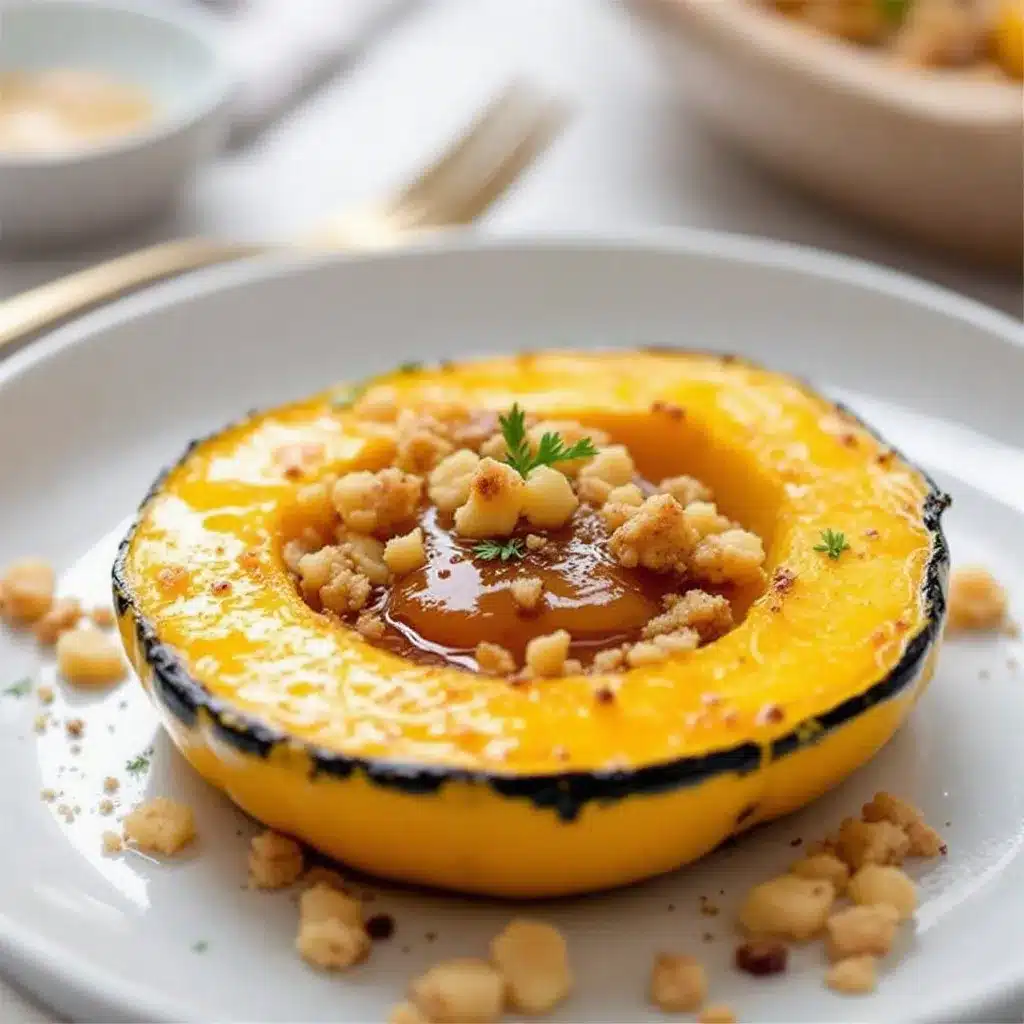
If you are out of maple syrup, you can substitute it with honey. The flavor profile will be slightly different, as honey has a more floral taste, but it will still provide the necessary sweetness and glaze. Brown sugar mixed with a little water is another option, though it may make the dish sweeter and less nuanced.
Equipment Needed
You don’t need a fancy kitchen to make this recipe work. In fact, keeping it simple helps the flavors stand out. Here is what you will need to get the job done efficiently.
- Large Sheet Pan: A standard 18×13 inch baking sheet is ideal. You need enough surface area so the squash slices aren’t crowded. If your pan is too small, the squash will steam instead of roast. Parchment paper is optional but makes cleanup easier.
- Small Saucepan: A small, heavy-bottomed saucepan is best for browning the butter. It allows you to watch the butter closely and prevent burning. A lighter pan might cause hot spots that burn the milk solids too quickly.
- Whisk: Essential for stirring the butter while it browns. It helps distribute the heat evenly and prevents the solids from sticking to the bottom of the pan.
- Sharp Chef’s Knife: You will need a good knife to slice the delicata squash. Since the skin is tender, you don’t need a serrated knife, but a sharp blade makes the job much safer and easier.
- Measuring Spoons: For accurate seasoning. Precision matters less here than in baking, but consistent seasoning ensures every bite tastes good.
I usually keep a dedicated saucepan for brown butter because it retains that nutty aroma. If you don’t want to dedicate a pan, just make sure it is thoroughly cleaned before use. A non-stick pan is also a great option for browning butter, as it gives you more forgiveness if you are watching it closely.
Preparation Method
Getting this dish right is all about timing and attention to detail. Follow these steps carefully to ensure your squash comes out tender and your brown butter is perfectly nutty without being bitter.
- Preheat the Oven: Start by preheating your oven to 400°F (200°C). Line a large baking sheet with parchment paper or lightly grease it with olive oil. This step takes about 10 minutes, so get it started early.
- Prepare the Squash: Wash the delicata squash thoroughly. You do not need to peel it. Cut off both ends, then slice it in half crosswise. Use a spoon to scoop out the seeds and stringy pulp from the center cavity. Then, slice each half into 1/2-inch thick half-moon shapes. Try to keep the pieces uniform so they roast evenly. This prep work usually takes about 10-15 minutes.
- Season the Squash: Place the squash slices in a large bowl. Drizzle with the olive oil, and sprinkle with salt, pepper, cinnamon, and nutmeg. Toss everything together until the squash is evenly coated. Make sure every piece has a bit of oil and seasoning.
- Roast the Squash: Spread the squash slices in a single layer on the prepared baking sheet. Do not overcrowd the pan; use two pans if necessary. Roast in the preheated oven for 20-25 minutes. You want the edges to be golden brown and the centers to be tender. Flip the slices halfway through cooking to ensure even browning.
- Brown the Butter: While the squash is roasting, place the butter in a small saucepan over medium heat. Stir constantly with a whisk. The butter will melt, foam up, and then start to crackle. Watch it closely. Once the foam subsides and you see brown specks at the bottom of the pan, and the butter smells nutty (like toasted hazelnuts), it is done. This happens quickly, usually within 3-5 minutes. Remove from heat immediately to prevent burning.
- Combine: Drizzle the warm maple syrup into the brown butter and whisk to combine. Be careful, as the mixture may bubble vigorously. Pour the maple brown butter over the roasted squash. Toss gently to coat the squash evenly in the sauce.
- Add Sage: Sprinkle the torn sage leaves over the hot squash. The residual heat will wilt the sage and release its aroma. If you have extra butter-butter mixture, you can drizzle it over the top again for extra richness.
- Serve: Serve immediately while hot. The squash should be tender and coated in a glossy, nutty sauce. Enjoy the warmth and comfort of this dish.
What if my butter burns?
If your butter turns dark brown or black, or smells acrid, do not use it. Burnt butter is bitter and will ruin the dish. Start over with a fresh batch. It is better to have plain melted butter than burnt brown butter. Patience is key here; keep the heat medium and watch the color change.
Cooking Tips & Techniques
Having spent years in the kitchen, I have learned that small details make a big difference in roasted vegetable dishes. Here are some professional tips to help you master this recipe.
- Don’t Crowd the Pan: This is the most common mistake. If the squash slices are touching each other, they will steam instead of roast. Give each piece some space to breathe and get those crispy edges. If your pan is small, roast in batches.
- Watch the Butter Like a Hawk: Brown butter goes from perfect to burnt in seconds. Do not walk away from the stove. Keep the heat at medium, not high, so you have time to react. The foam is your indicator; when it starts to settle, get ready.
- Use Fresh Spices: Pre-ground spices lose their potency over time. If you have a spice grinder, grind your nutmeg and cinnamon fresh for this recipe. The difference in aroma is noticeable and adds a layer of depth to the dish.
- Temperature Check: The squash is done when a fork slides easily into the thickest part. If it is still firm, give it another 5 minutes. Undercooked delicata squash can be slightly chewy, so ensure it is fully tender.
- Make Ahead Sauce: You can brown the butter and mix it with the maple syrup up to 24 hours in advance. Store it in the refrigerator. When ready to serve, gently reheat the sauce until it is liquid again. This saves time on busy weeknights.
I once tried to rush the browning process by turning up the heat, and I ended up with a pan of black sludge. It was a costly lesson. Now, I always set a timer for 3 minutes and check every 30 seconds. It is worth the extra attention to detail.
How do I know when the squash is done?
The best way to check is with a fork or a knife. Insert it into the center of a slice. If it goes in with little resistance and the squash feels soft, it is done. The edges should also be slightly caramelized and browned. If the edges are pale, it needs more time in the oven.
Variations & Adaptations
While the classic maple brown butter combination is hard to beat, there are plenty of ways to tweak this recipe to suit your taste or dietary needs.
- Spicy Kick: Add a pinch of red pepper flakes or a drizzle of hot honey after roasting. The heat contrasts beautifully with the sweet maple and rich butter. This is great if you like a bit of spice in your vegetables.
- Herb Swap: If you don’t like sage, try fresh thyme or rosemary. Thyme pairs well with the nutty butter, while rosemary adds a piney, aromatic flavor. Both work well with the sweetness of the squash.
- Nutty Crunch: Sprinkle toasted pecans or walnuts over the squash before serving. The nuts add a nice crunch and complement the maple flavor. Toast them in a dry pan for a minute before adding for extra flavor.
- Cheese Finish: Sprinkle crumbled goat cheese or feta over the hot squash after tossing with the butter. The tangy cheese cuts through the sweetness and adds a creamy texture. This is a great option for a more savory profile.
- Vegan Option: Use vegan butter or coconut oil instead of dairy butter. Maple syrup is already vegan, so just swap the fat source. The flavor will be slightly different, but still delicious and rich.
I often add a handful of toasted pumpkin seeds for extra texture. It is a small addition that makes the dish feel more complete and adds a nice crunch. You can also add a splash of balsamic vinegar for a tangy twist, though it changes the flavor profile significantly.
Can I make this in an air fryer?
Yes, you can roast the delicata squash in an air fryer at 375°F (190°C) for 12-15 minutes, shaking the basket halfway through. The butter sauce should be prepared separately and drizzled on after cooking. The air fryer will give you a crispier texture, but you won’t get the same caramelization as oven-roasting.
Serving & Storage Suggestions
This dish is best served immediately after tossing with the warm brown butter sauce. The heat helps the sauce cling to the squash, and the sage leaves release their aroma when they hit the hot surface.
- Complementary Dishes: This pairs wonderfully with roasted chicken, grilled salmon, or a simple grain bowl. It also works well alongside the creamy pumpkin sage gnocchi for a full autumn-themed meal. The earthy flavors complement each other nicely.
- Beverage Pairing: Serve with a glass of spiced apple cider or a light red wine like Pinot Noir. The acidity in the wine cuts through the richness of the butter. If you prefer non-alcoholic options, a warm chai tea is a great match.
- Storage: Store leftovers in an airtight container in the refrigerator for up to 3 days. The squash will soften further as it sits, but the flavors will remain good.
- Reheating: Reheat in the oven at 350°F (175°C) for 10-15 minutes to restore some crispness. You can also microwave individual portions, but they will be softer. Add a tiny splash of water or broth if reheating in the microwave to prevent drying out.
- Freezing: This dish does not freeze well. The texture of the roasted squash changes significantly after freezing and thawing, becoming mushy. It is best enjoyed fresh.
The flavors actually meld together nicely if you let the leftovers sit for a day, making them great for lunch the next day. Just be sure to reheat them properly to enjoy the best texture.
Nutritional Information & Benefits
This recipe is not only delicious but also packed with nutrients. Delicata squash is an excellent source of Vitamin A, which supports eye health and immune function. It is also high in Vitamin C and fiber, which aids in digestion.
- Calories: Approximately 150-180 calories per serving, depending on portion size and butter usage.
- Fat: The brown butter adds healthy fats, which help absorb the fat-soluble vitamins in the squash.
- Carbohydrates: The natural sugars in the squash and maple syrup provide energy. The fiber helps regulate blood sugar levels.
- Allergens: This recipe contains dairy (butter). It is naturally gluten-free and nut-free, unless you add nuts as a garnish.
I appreciate that this dish allows me to eat more vegetables without feeling like I’m sacrificing flavor. It is a wholesome way to incorporate seasonal produce into my diet, and the brown butter makes it feel like a treat rather than a chore.
Conclusion
This creamy roasted delicata squash with maple brown butter is a testament to the power of simple ingredients and careful technique. It is a dish that feels luxurious but is incredibly easy to make. I love that it requires minimal prep and delivers maximum flavor. It has become a staple in my fall cooking rotation, and I hope it becomes one in yours too.
I encourage you to try this recipe and customize it to your liking. Add some nuts, swap the herbs, or adjust the sweetness to your taste. Cooking is about experimentation, and this dish is a great canvas for your creativity. If you make this recipe, I would love to hear how it turned out. Please leave a comment below with your thoughts or share your variations. Your feedback helps me improve and inspires others to try new dishes.
Thank you for joining me in the kitchen. I hope this recipe brings warmth and comfort to your table. Happy cooking!
Frequently Asked Questions
How do I clean a delicata squash?
Simply rinse the squash under cool water and scrub the skin with a vegetable brush to remove any dirt. Since you don’t peel it, cleaning is important. Dry it thoroughly before cutting.
Can I substitute the maple syrup with agave nectar?
Yes, agave nectar is a good substitute for maple syrup. It has a milder flavor, so you might need to use a slightly larger amount to achieve the same sweetness. It also works well for vegan diets.
Why is my brown butter bitter?
Bitter brown butter is usually caused by burning. The milk solids in the butter turn dark brown and then black if left on the heat too long. Always remove the pan from the heat immediately when you see the brown specks and smell the nutty aroma.
What other vegetables can I roast with this sauce?
This maple brown butter sauce works well with Brussels sprouts, carrots, and sweet potatoes. The nutty sweetness complements these vegetables beautifully. You can toss them in the sauce after roasting just like the squash.
Is delicata squash better than butternut squash?
It depends on your preference. Delicata squash has a thinner, edible skin and a slightly sweeter, more delicate flavor. Butternut squash has a thicker skin and a creamier, denser texture. For this recipe, delicata is preferred because of the tender skin, but butternut can be used if peeled.
Pin This Recipe!
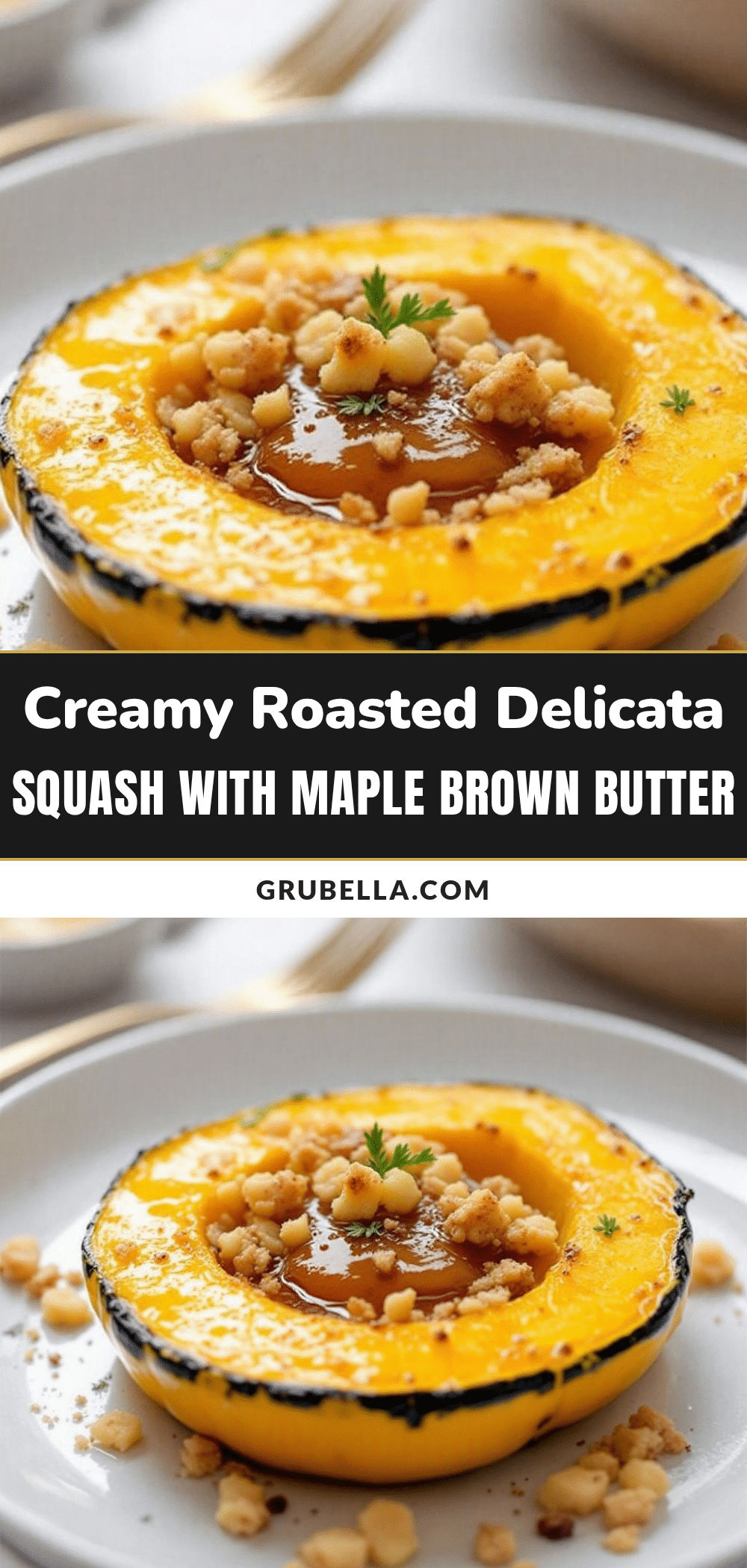
Creamy Roasted Delicata Squash: 5 Easy Maple Brown Butter Recipe
A simple yet elegant side dish featuring roasted delicata squash tossed in a rich, nutty maple brown butter sauce with sage. This recipe requires minimal prep and delivers maximum flavor in under 45 minutes.
- Prep Time: 15 minutes
- Cook Time: 30 minutes
- Total Time: 45 minutes
- Yield: 4 servings 1x
- Category: Side Dish
- Cuisine: American
Ingredients
- 1 large or 2 medium delicata squash, washed and sliced into half-moons
- 4 tablespoons (60g) unsalted butter
- 2 tablespoons (30ml) pure maple syrup
- 1 tablespoon (15ml) extra virgin olive oil
- 1 teaspoon sea salt
- 1/2 teaspoon black pepper, freshly cracked
- 1/2 teaspoon ground cinnamon
- 1/4 teaspoon ground nutmeg
- 6–8 fresh sage leaves, torn
- 1/2 teaspoon pumpkin pie spice (optional)
Instructions
- Preheat oven to 400°F (200°C). Line a large baking sheet with parchment paper or grease lightly.
- Wash the squash thoroughly. Cut off both ends, slice in half crosswise, and scoop out seeds. Slice each half into 1/2-inch thick half-moon shapes.
- Place squash slices in a large bowl. Drizzle with olive oil and sprinkle with salt, pepper, cinnamon, and nutmeg. Toss to coat evenly.
- Spread squash in a single layer on the prepared baking sheet. Roast for 20-25 minutes, flipping halfway through, until edges are golden and centers are tender.
- While squash roasts, melt butter in a small saucepan over medium heat. Stir constantly with a whisk until foam subsides, brown specks appear, and the butter smells nutty (3-5 minutes). Remove from heat immediately.
- Whisk maple syrup into the brown butter. Pour over the roasted squash and toss gently to coat.
- Sprinkle torn sage leaves over the hot squash. The residual heat will wilt the sage.
- Serve immediately while hot.
Notes
Do not crowd the pan to ensure roasting instead of steaming. Watch the butter closely as it burns quickly. Fresh spices provide better flavor than pre-ground. The squash is done when a fork slides easily into the thickest part.
Nutrition
- Serving Size: Approximately 1 cup
- Calories: 165
- Sugar: 8
- Sodium: 350
- Fat: 12
- Saturated Fat: 7
- Carbohydrates: 14
- Fiber: 3
- Protein: 2
Keywords: delicata squash, maple brown butter, roasted vegetables, fall recipes, easy side dish, gluten-free, vegetarian, Thanksgiving side