Love this? Save it for later!
Share the inspiration with your friends
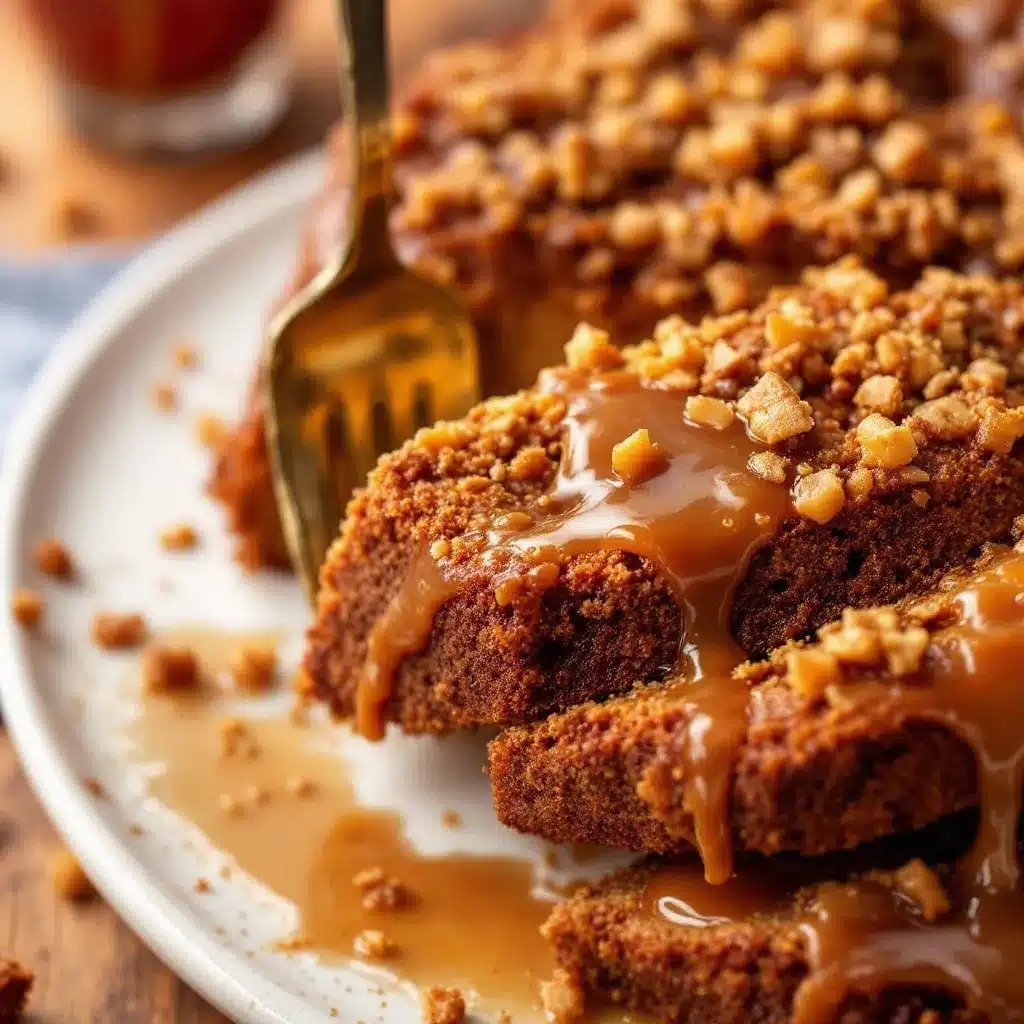
The way the caramel clings to the fork—thick, slow, amber—that’s the whole point. I didn’t set out to make a cake that was just sweet. I wanted something that felt like the last weekend of October, when the air turns sharp and you start craving things that take time. This apple cider caramel cake with maple glaze wasn’t born from a holiday obligation or a family recipe. It came from a single, slightly obsessive thought: what if I could trap the taste of a perfect fall afternoon inside a single slice?
I spent three weekends testing this. The first version was too dense, like a brick of apple butter. The second collapsed in the middle because I got greedy with the cider. The third—this one—finally did what I wanted. It’s tender enough to break apart with a fork but sturdy enough to hold that glossy, homemade caramel without turning into a puddle. And the maple glaze? Honestly, I almost skipped it. I thought it would be overkill. But one spoonful of that creamy, woodsy-sweet drizzle changed my mind. It’s the quiet note that makes everything else sing.
This isn’t a cake you throw together in twenty minutes. It asks for a little patience, a little trust. But when you pull that pan from the oven and the whole kitchen smells like boiled cider and brown butter, you’ll understand why it was worth the wait. It’s the kind of dessert that makes people close their eyes on the first bite—and that’s not something I say lightly.
Why You’ll Love This Recipe
I’ve tested enough cake recipes to know that “perfect” is a dangerous word. But this apple cider caramel cake comes closer than most. It’s not just another fall dessert—it’s the one I reach for when I want to impress without pretending to be something I’m not.
- Deep, Real Apple Flavor: Most apple cakes rely on diced fruit or extract. This one uses reduced apple cider, which concentrates the flavor into something almost tangy and wine-like. No watery chunks, no fake taste.
- That Caramel Is No Joke: We’re making it from scratch, yes. But it’s a forgiving recipe—no candy thermometer needed. It comes together in about ten minutes and tastes leagues better than anything from a jar.
- The Maple Glaze Changes Everything: I was skeptical at first. But the earthy sweetness of maple cuts through the caramel in a way honey or vanilla just can’t. It’s subtle but it’s there, and it makes the cake feel complete.
- Simple Pantry Ingredients: No almond flour, no obscure extracts, no trips to a specialty store. Butter, eggs, flour, sugar, cider, maple syrup—you probably have most of this already.
- Perfect for Any Fall Gathering: This cake holds its own at a Thanksgiving table, a casual potluck, or a quiet Sunday with coffee. It’s not fussy. It’s just good.
I brought a test version to a friend’s dinner party last month, and three people asked for the recipe before I’d even finished slicing. That’s when I knew this one was ready to share.
What Ingredients You Will Need
This recipe uses simple, honest ingredients that work together to build layers of flavor. Nothing fancy, just the right stuff in the right places.
For the Cake
- Apple cider (2 cups / 480 ml): You’ll reduce this on the stove to concentrate the flavor. Use fresh, unfiltered cider if you can—it has more body and a deeper apple taste.
- Unsalted butter (¾ cup / 170 g), softened: I always use Kerrygold for baking, but any good unsalted butter works. Soften it on the counter for an hour, not the microwave.
- Granulated sugar (1 cup / 200 g): Standard white sugar. No need for fancy stuff here.
- Light brown sugar (½ cup / 100 g), packed: Adds moisture and a hint of molasses that plays nicely with the cider.
- Large eggs (2), room temperature: Cold eggs can seize the batter. Leave them out for 30 minutes or float them in warm water for five.
- Vanilla extract (1 teaspoon): Pure, not imitation. It makes a difference.
- All-purpose flour (2 cups / 250 g): Spoon and level it—don’t scoop straight from the bag or you’ll end up with a dry cake.
- Baking powder (1½ teaspoons): Make sure it’s fresh. Test it by dropping a pinch into hot water—it should bubble immediately.
- Baking soda (½ teaspoon): Same deal. Expired baking soda won’t lift anything.
- Salt (½ teaspoon): Fine sea salt. It balances the sweetness.
- Ground cinnamon (1 teaspoon): I prefer Saigon cinnamon for its warmth and intensity.
- Ground nutmeg (½ teaspoon): Freshly grated if you have it. The pre-ground stuff is fine, but fresh is noticeably better.
- Buttermilk (½ cup / 120 ml): You can make your own by adding 1½ teaspoons of lemon juice or vinegar to regular milk and letting it sit for five minutes.
For the Caramel Sauce
- Granulated sugar (1 cup / 200 g): White sugar caramelizes cleanly. Don’t substitute brown sugar here—it burns too fast.
- Unsalted butter (6 tablespoons / 85 g), cubed: Cold butter straight from the fridge. It helps control the caramelization.
- Heavy cream (½ cup / 120 ml), room temperature: If it’s too cold, the caramel will seize. Let it sit out for 15 minutes.
- Salt (½ teaspoon): Flaky sea salt if you have it. It adds little bursts of savory that cut through the sweetness.
For the Maple Glaze
- Powdered sugar (1 cup / 120 g): Sift it first to avoid lumps.
- Pure maple syrup (3 tablespoons): Not pancake syrup. Real maple syrup is thinner and more floral. Grade A dark amber is my go-to.
- Heavy cream (1–2 tablespoons): Adjust the amount to get the right drizzling consistency.
- Pinch of salt: Just a tiny one. It keeps the glaze from tasting one-dimensional.
Equipment Needed
You don’t need a professional bakery setup for this cake. But a few specific tools make the process smoother and the results more reliable.
- 9-inch round cake pan (at least 2 inches deep): A standard 8-inch pan is too small—the batter will overflow. I use a Fat Daddio’s anodized aluminum pan. It heats evenly and releases cakes cleanly.
- Parchment paper: Cut a circle for the bottom of the pan. It’s the difference between a clean release and a crumbled mess.
- Medium saucepan (2-quart): For reducing the cider and making the caramel. A heavy-bottomed pan prevents scorching.
- Stand mixer or hand mixer: You can cream the butter and sugar by hand, but it’ll take ten minutes of solid effort. A mixer does it in three.
- Whisk: For combining dry ingredients. A fork works in a pinch.
- Rubber spatula: For scraping the bowl and folding the batter. Get a heat-safe one if you plan to make caramel regularly.
- Cooling rack: Metal, with feet. Air needs to circulate under the cake or the bottom gets soggy.
- Small offset spatula: Optional, but it makes spreading the glaze look effortless.
Preparation Method
This cake has three components—the cake itself, the caramel, and the glaze. I recommend making the caramel first while the cider reduces. It sounds like a lot, but the actual hands-on time is about 30 minutes. The rest is waiting.
Step 1: Reduce the Apple Cider
Pour 2 cups of apple cider into a medium saucepan. Bring it to a boil over medium-high heat, then reduce to a steady simmer. Let it cook for 20–25 minutes, stirring occasionally, until it’s reduced to about ½ cup. It should look syrupy and smell intensely of apples. Watch it toward the end—it can go from perfect to burnt in seconds. Pour it into a small bowl and let it cool completely.
Step 2: Make the Caramel Sauce
While the cider reduces, start the caramel. Place 1 cup of granulated sugar in a clean, dry saucepan over medium heat. Stir it with a dry whisk as it melts—it will clump at first, then smooth out. Cook until it turns a deep amber color, about 5–7 minutes. Don’t walk away. Once it’s amber, add the cubed butter and whisk vigorously. The mixture will bubble up—that’s normal. Slowly pour in the heavy cream while whisking. It will steam and hiss. Keep stirring until smooth, then remove from heat and stir in the salt. Pour into a heat-safe jar or bowl and set aside.
Step 3: Prepare the Cake Batter
Preheat your oven to 350°F (175°C). Grease your 9-inch cake pan and line the bottom with parchment paper. In a medium bowl, whisk together the flour, baking powder, baking soda, salt, cinnamon, and nutmeg. Set aside. In a large mixing bowl, beat the softened butter, granulated sugar, and brown sugar together until light and fluffy—about 3 minutes on medium speed. Add the eggs one at a time, beating well after each. Mix in the vanilla and the cooled reduced cider. The batter might look slightly curdled at this point. That’s okay.
With the mixer on low, add the dry ingredients in three additions, alternating with the buttermilk. Start and end with the flour mixture. Mix just until combined—overmixing makes the cake tough. Scrape the bowl and give it a few final stirs by hand.
Step 4: Bake the Cake
Pour the batter into the prepared pan and smooth the top. Bake for 40–45 minutes, until a toothpick inserted in the center comes out clean or with a few moist crumbs. The top should be golden and spring back when lightly pressed. Let the cake cool in the pan for 15 minutes, then turn it out onto a wire rack to cool completely. Don’t rush this. A warm cake will turn the glaze into a puddle.
Step 5: Make the Maple Glaze
In a small bowl, whisk together the sifted powdered sugar, maple syrup, and 1 tablespoon of heavy cream. Add more cream a teaspoon at a time until the glaze is thick but pourable—it should ribbon off the whisk. Stir in the pinch of salt.
Step 6: Assemble the Cake
Once the cake is completely cool, place it on your serving plate. Use a skewer or toothpick to poke holes all over the top—about 15–20 pokes. This lets the caramel soak in. Pour about ¼ cup of the caramel sauce over the top and let it sink in for a few minutes. Then drizzle the maple glaze over the center and gently spread it to the edges with an offset spatula. Let it set for 10 minutes before slicing. Serve with extra caramel on the side.
Cooking Tips & Techniques
I learned most of these the hard way—by making mistakes and eating the evidence. Here’s what I wish someone had told me before I started.
- Don’t skip the cider reduction: I know it’s an extra step, but it’s where the flavor lives. Unreduced cider adds too much liquid and not enough taste. Reducing it by three-quarters gives you a concentrated apple punch that transforms the cake.
- Watch the caramel like a hawk: Sugar can go from perfectly amber to acrid black in about 30 seconds. Pull it off the heat the moment it reaches a deep copper color. If you see wisps of smoke, you’ve gone too far.
- Room temperature ingredients matter: Cold eggs and buttermilk can make the batter curdle and the cake bake unevenly. Set everything out an hour before you start. If you forget, place the eggs in a bowl of warm water for 5 minutes and microwave the buttermilk for 10 seconds.
- Let the cake cool completely: I know it’s tempting to glaze a warm cake. Don’t. The glaze will melt into a sticky mess and the caramel will slide right off. Patience pays off here.
- Use a light hand with the glaze: You want a thin, elegant drizzle—not a thick blanket of sugar. Start with less than you think you need. You can always add more.
Variations & Adaptations
This cake is forgiving enough to play with. Here are a few ways I’ve tweaked it depending on the season or who’s eating.
- Gluten-Free Version: Swap the all-purpose flour for a good 1:1 gluten-free baking blend. I’ve used Bob’s Red Mill with solid results. Add ¼ teaspoon of xanthan gum if your blend doesn’t include it. The texture will be slightly more tender, but the flavor stays true.
- Dairy-Free Adaptation: Use vegan butter (I like Miyoko’s) and full-fat oat milk mixed with 1½ teaspoons of lemon juice for the buttermilk. Coconut cream works in the caramel instead of heavy cream. The glaze needs a dairy-free milk alternative, but use less—it’s thinner than cream.
- Spiced-Up Version: Add ¼ teaspoon of ground cloves and a pinch of cardamom to the flour mixture. It gives the cake a chai-like warmth that pairs beautifully with the maple glaze.
- Bourbon Caramel: Add 2 tablespoons of bourbon to the caramel after removing it from the heat. The alcohol cooks off, leaving a smoky depth that adults will appreciate. I did this for a Thanksgiving dinner and it was gone in twenty minutes.
- Apple Cider Caramel Cupcakes: Divide the batter among 12 lined muffin tins and bake for 18–20 minutes. Poke holes, drizzle with caramel, and top with the maple glaze. Perfect for parties or lunchbox surprises.
Serving & Storage Suggestions
This cake is best served at room temperature—the flavors are more pronounced and the texture is softer. If you’ve refrigerated it, let it sit on the counter for 30 minutes before slicing.
For serving, I like to warm individual slices in a 300°F oven for 5 minutes, then drizzle with extra caramel and a sprinkle of flaky sea salt. It’s ridiculous in the best way. Pair it with a scoop of vanilla bean ice cream or a dollop of lightly sweetened whipped cream. A cup of black coffee or chai latte balances the sweetness perfectly.
To store, cover the cake loosely with plastic wrap or place it in an airtight container. It keeps at room temperature for up to 2 days. After that, refrigerate it for up to 5 days. The glaze may soften and the cake will firm up slightly in the fridge, but the flavor actually deepens overnight. I’ve eaten this cake on day four and honestly preferred it to day one.
You can freeze the unglazed cake for up to 3 months. Wrap it tightly in plastic wrap, then foil. Thaw overnight in the fridge, bring to room temperature, and glaze just before serving. The caramel sauce freezes well too—store it in a jar and reheat gently in a saucepan or microwave.
Nutritional Information & Benefits
Let’s be honest—this is a dessert. It’s not a health food. But knowing what’s in it helps you enjoy it without guilt.
Per slice (based on 10 servings): approximately 420 calories, 18g fat, 62g carbohydrates, 5g protein, and 2g fiber. The apple cider provides a small amount of vitamin C and antioxidants, while the maple syrup contains trace minerals like zinc and manganese. The buttermilk adds calcium and probiotics (if using cultured buttermilk).
For dietary considerations: this recipe contains gluten, dairy, and eggs. It can be adapted for gluten-free and dairy-free diets as noted in the variations section. It is vegetarian. The caramel and glaze are nut-free, but check your maple syrup label for cross-contamination warnings if allergies are a concern.
My take? Dessert should be satisfying, not stressful. One slice of this cake with a cup of coffee is a perfectly reasonable way to end a fall day. It’s not about the numbers—it’s about the moment.
Conclusion
This apple cider caramel cake with maple glaze is the kind of recipe that earns a permanent spot in your fall rotation. It’s not the fastest cake you’ll ever make, but it’s one of the most rewarding. The deep apple flavor, the silky caramel, the subtle maple finish—every bite feels intentional.
I hope you make it your own. Maybe you add extra cinnamon. Maybe you skip the glaze and double the caramel. Maybe you bring it to a gathering and watch people go quiet after the first bite. That’s the goal.
If you try this recipe, I’d love to hear how it turned out. Drop a comment below or tag me in your photos—I read every single one. And if you’re looking for more cozy fall desserts, don’t miss my creamy pumpkin cheesecake swirl muffins or these perfect chewy brown sugar pumpkin spice blondies. Both are made for sweater weather and slow afternoons.
Happy baking, friends. Go make something that smells like home.
Frequently Asked Questions
Can I use bottled apple juice instead of cider?
You can, but the flavor won’t be as deep. Apple cider has more pulp and body, which gives the reduction a richer, almost tangy taste. Juice is thinner and sweeter. If you’re in a pinch, add a pinch of citric acid or a splash of lemon juice to mimic the cider’s brightness.
Why did my caramel turn out grainy?
Grainy caramel usually means sugar crystals formed during cooking. To prevent this, make sure your saucepan and whisk are completely clean and dry before you start. Don’t stir the sugar once it’s melting—just swirl the pan gently. If it still seizes, add a tablespoon of warm water and stir over low heat until it smooths out.
Can I make this cake ahead of time?
Absolutely. Bake the cake and make the caramel up to two days in advance. Store the cake wrapped tightly at room temperature and the caramel in the fridge. Warm the caramel gently before using. Make the glaze fresh on the day you plan to serve it—it sets best that way.
How do I know when the cider is reduced enough?
It should measure about ½ cup and have a syrupy consistency. When you tilt the pan, it should coat the bottom like warm honey. If it’s still watery, keep simmering. If it’s thick like molasses, you’ve gone a bit far—but it’s still usable. Just stir in a tablespoon of water to loosen it.
Can I double this recipe for a layer cake?
Yes. Double all ingredients and bake in two 9-inch pans for 30–35 minutes. You’ll need to double the caramel and glaze too. Stack the layers with caramel and glaze between them, then pour the rest over the top. It’s a showstopper for birthdays or holiday tables.
Pin This Recipe!
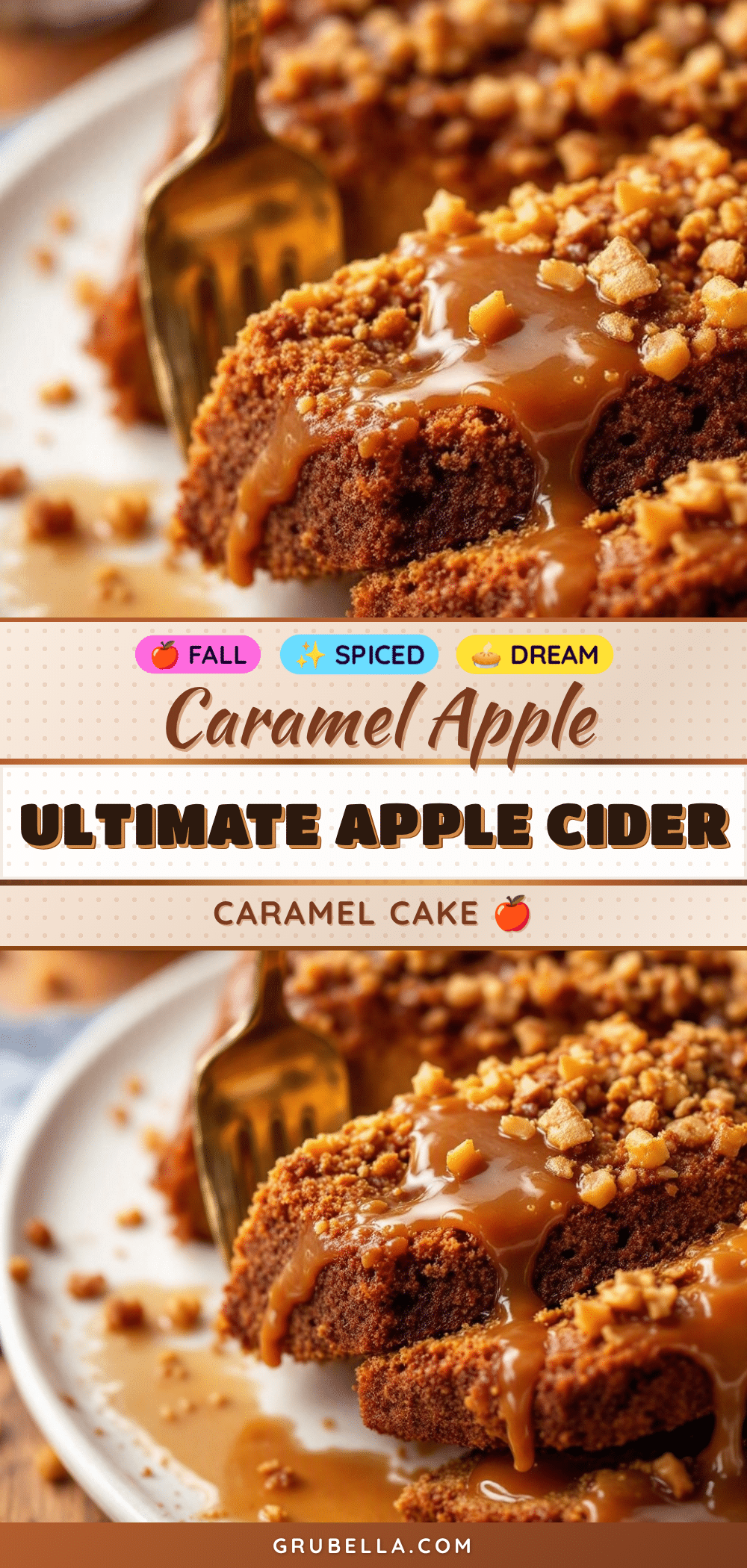
Ultimate Apple Cider Caramel Cake with Easy Maple Glaze
A tender, deeply flavored apple cider cake topped with homemade caramel and a subtle maple glaze. This fall dessert captures the essence of a perfect autumn afternoon in every slice.
- Prep Time: 30 minutes
- Cook Time: 45 minutes
- Total Time: 1 hour 15 minutes
- Yield: 10 servings 1x
- Category: Dessert
- Cuisine: American
Ingredients
- 2 cups (480 ml) apple cider
- ¾ cup (170 g) unsalted butter, softened
- 1 cup (200 g) granulated sugar
- ½ cup (100 g) light brown sugar, packed
- 2 large eggs, room temperature
- 1 teaspoon vanilla extract
- 2 cups (250 g) all-purpose flour
- 1½ teaspoons baking powder
- ½ teaspoon baking soda
- ½ teaspoon salt
- 1 teaspoon ground cinnamon
- ½ teaspoon ground nutmeg
- ½ cup (120 ml) buttermilk
- 1 cup (200 g) granulated sugar (for caramel)
- 6 tablespoons (85 g) unsalted butter, cubed (for caramel)
- ½ cup (120 ml) heavy cream, room temperature (for caramel)
- ½ teaspoon salt (for caramel)
- 1 cup (120 g) powdered sugar, sifted (for glaze)
- 3 tablespoons pure maple syrup (for glaze)
- 1–2 tablespoons heavy cream (for glaze)
- Pinch of salt (for glaze)
Instructions
- Reduce the apple cider: Pour 2 cups of apple cider into a medium saucepan. Bring to a boil over medium-high heat, then reduce to a steady simmer. Cook for 20–25 minutes, stirring occasionally, until reduced to about ½ cup and syrupy. Pour into a small bowl and let cool completely.
- Make the caramel sauce: Place 1 cup of granulated sugar in a clean, dry saucepan over medium heat. Stir with a dry whisk as it melts until it turns a deep amber color, about 5–7 minutes. Add the cubed butter and whisk vigorously. Slowly pour in the heavy cream while whisking. Remove from heat and stir in the salt. Pour into a heat-safe jar or bowl and set aside.
- Prepare the cake batter: Preheat oven to 350°F (175°C). Grease a 9-inch round cake pan and line the bottom with parchment paper. In a medium bowl, whisk together flour, baking powder, baking soda, salt, cinnamon, and nutmeg. In a large mixing bowl, beat the softened butter, granulated sugar, and brown sugar until light and fluffy, about 3 minutes. Add eggs one at a time, beating well after each. Mix in vanilla and cooled reduced cider. With mixer on low, add dry ingredients in three additions, a…
- Bake the cake: Pour batter into prepared pan and smooth the top. Bake for 40–45 minutes, until a toothpick inserted in the center comes out clean or with a few moist crumbs. Cool in pan for 15 minutes, then turn out onto a wire rack to cool completely.
- Make the maple glaze: In a small bowl, whisk together sifted powdered sugar, maple syrup, and 1 tablespoon of heavy cream. Add more cream a teaspoon at a time until thick but pourable. Stir in a pinch of salt.
- Assemble the cake: Once cake is completely cool, place on serving plate. Poke holes all over the top with a skewer or toothpick. Pour about ¼ cup of caramel sauce over the top and let sink in. Drizzle maple glaze over the center and gently spread to edges. Let set for 10 minutes before slicing. Serve with extra caramel on the side.
Notes
Don’t skip the cider reduction—it’s where the flavor lives. Watch the caramel like a hawk; it can burn quickly. Room temperature ingredients matter for even baking. Let the cake cool completely before glazing. Use a light hand with the glaze for an elegant drizzle.
Nutrition
- Serving Size: 1 slice
- Calories: 420
- Sugar: 45
- Sodium: 320
- Fat: 18
- Saturated Fat: 11
- Carbohydrates: 62
- Fiber: 2
- Protein: 5
Keywords: apple cider cake, caramel cake, maple glaze, fall dessert, apple cake, homemade caramel