Love this? Save it for later!
Share the inspiration with your friends
I had been looking for a weeknight pasta that actually came together in the time it takes to boil water — not one of those recipes that claims 15 minutes but forgets to mention the 10 minutes of garlic chopping, the 5 minutes of hunting for the lemon zester, and the 3 minutes of scraping burnt butter off the pan. For a while, I just accepted that quick pasta meant jarred sauce over noodles, and that was that. Then one Tuesday night, staring into my fridge (as one does), I spotted half a bag of frozen shrimp, a sad stick of butter, and a garlic bulb that was starting to sprout. I grabbed everything, tossed it in a skillet, and what came out of that pan made me stop mid-bite. It wasn’t just edible. It was genuinely good. The kind of good where you look at the clock and realize you’ve got time to sit down and actually eat it.
This quick garlic butter shrimp pasta is that exact Tuesday night dinner. It’s not fussy. It doesn’t require a special trip to the store. And honestly, it tastes like something you’d order at a little Italian place, not something you threw together while your toddler watched Bluey for the fourth time. The shrimp stays plump and tender, the garlic butter sauce coats every strand of pasta without being heavy, and there’s a little pop of lemon at the end that keeps you coming back for another forkful. I’ve made this more times than I can count, and it still surprises me how something this fast can feel this satisfying. That’s the kind of recipe worth keeping in your back pocket.
This quick garlic butter shrimp pasta is the answer to the question every busy cook asks: what can I make for dinner that doesn’t feel like a compromise?
Why You’ll Love This Recipe
I’ve tested this recipe dozens of times — through burnt butter, undercooked shrimp, and one particularly sad attempt where I forgot the lemon entirely. Each failure taught me something, and what’s left is a version that works every single time. Here’s why I keep coming back to it.
- Ready in 15 minutes flat. From the moment you pull out the skillet to the moment you’re twirling pasta around your fork, it takes fifteen minutes. That’s faster than delivery. I’ve timed it.
- Simple, everyday ingredients. You don’t need anything fancy. Shrimp, pasta, butter, garlic, lemon, and a few pantry staples. No heavy cream, no wine, no specialty cheeses.
- Perfect for busy weeknights. This is the dinner you make when you’re tired, hungry, and out of ideas. It’s also the dinner you make when company shows up unexpectedly and you want to look like you planned something.
- Crowd-pleaser status. I’ve served this to picky kids, seafood skeptics, and my dad (who claims he doesn’t like “fancy pasta”). Everyone cleans their plate.
- Unbelievably delicious. The garlic butter sauce is silky without being greasy. The shrimp stays tender and sweet. And that squeeze of lemon at the end? It cuts through the richness and makes everything sing.
What makes this recipe different from the dozens of other shrimp pasta recipes out there is the technique. Instead of boiling the shrimp in the sauce (which can make them rubbery), I sear them quickly in butter, then finish the sauce in the same pan. That browned butter + garlic situation is where the magic lives. It’s not just another version — it’s the version I’d make for someone I wanted to impress, even if I only had fifteen minutes to do it.
This is comfort food that doesn’t weigh you down. It’s rich enough to feel indulgent, but light enough that you won’t regret it an hour later. And honestly, after a long day, that’s exactly what dinner should be.
What Ingredients You Will Need
This recipe uses simple, honest ingredients to deliver big flavor without the fuss. Most of these are probably already in your kitchen — which is exactly the point.
- 8 ounces spaghetti or linguine — I use De Cecco or Barilla for the best texture. You can swap in fettuccine, angel hair, or even gluten-free pasta if that’s your thing. Cook it al dente — it’ll keep cooking slightly when you toss it with the sauce.
- 1 pound raw shrimp, peeled and deveined — Look for medium to large shrimp (21-25 count per pound). I prefer wild-caught when I can find it, but frozen shrimp works great too. Just thaw them fully and pat them bone-dry before cooking. Wet shrimp won’t sear — they’ll steam.
- 4 tablespoons unsalted butter — Butter is the backbone of the sauce. I use unsalted so I can control the salt level. If you only have salted, just cut back on the added salt a little.
- 4 cloves garlic, minced — Fresh garlic is non-negotiable here. The pre-minced stuff in a jar has a different flavor and it won’t give you that same aromatic punch. Trust me on this one.
- 1 tablespoon olive oil — A little olive oil mixed with the butter raises the smoke point and prevents the butter from burning. It also adds a subtle fruity note to the sauce.
- 1/2 teaspoon red pepper flakes (optional) — I add these for a gentle warmth, not actual heat. If you’re sensitive to spice, leave them out. If you love heat, add a full teaspoon.
- 1/2 cup reserved pasta water — This is the secret to a silky, emulsified sauce. The starchy water helps the butter and garlic cling to every strand of pasta. Don’t skip it.
- Juice of 1 lemon (about 2 tablespoons) — Fresh lemon juice brightens the whole dish. Bottled lemon juice has a flat, sour taste that just isn’t the same. Roll the lemon on the counter before juicing to get every drop.
- Zest of 1 lemon — This is optional but highly recommended. Lemon zest adds a floral, aromatic quality that juice alone can’t match.
- 1/4 cup fresh parsley, chopped — Parsley adds color and freshness. Flat-leaf (Italian) parsley has more flavor than curly, but either works.
- Salt and black pepper to taste — I use kosher salt for cooking and flaky sea salt for finishing. Freshly cracked black pepper makes a difference here.
- Freshly grated Parmesan cheese for serving — I recommend Parmigiano-Reggiano if your budget allows. It melts beautifully and adds a nutty, salty finish. Pre-grated cheese won’t melt the same way — it’s coated in anti-caking agents.
Equipment Needed
You don’t need a fancy kitchen to pull this off. Here’s what you’ll need:
- Large pot — For boiling the pasta. A 5-6 quart pot works well. Make sure it’s big enough that the pasta has room to move around.
- Large skillet or sauté pan — A 12-inch skillet is ideal. You want enough surface area to sear the shrimp in a single layer without crowding them. A non-stick pan works, but stainless steel or cast iron gives you better browning.
- Colander — For draining the pasta. Don’t rinse the pasta! You want that starch to help the sauce stick.
- Measuring cups and spoons — I know, obvious. But having a liquid measuring cup handy for the pasta water makes a difference.
- Chef’s knife and cutting board — For mincing garlic, chopping parsley, and zesting the lemon.
- Microplane or zester — If you’re adding lemon zest, a microplane makes it effortless. A box grater works too, but it’s a little clunkier.
- Tongs — For tossing the pasta with the sauce. Two forks work in a pinch, but tongs make it so much easier.
If you don’t have a microplane, you can use the small side of a box grater or even a vegetable peeler to remove thin strips of lemon zest, then mince them finely with a knife. I’ve done it that way more times than I can count.
Preparation Method
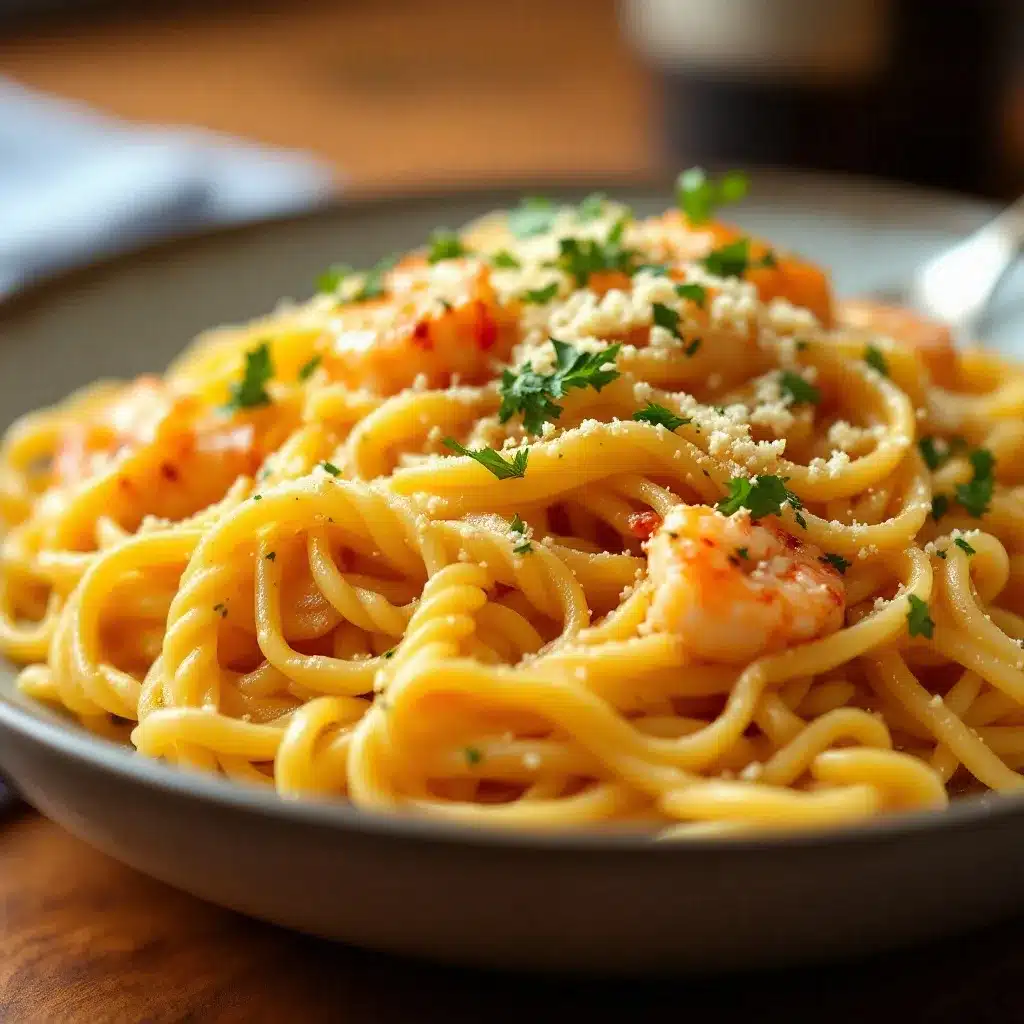
This whole process takes about 15 minutes from start to finish. Here’s how to make it happen without any stress.
- Bring a large pot of salted water to a boil. Use about 1 tablespoon of salt per 4 quarts of water. The water should taste like the sea — that’s your chance to season the pasta from the inside out. While the water comes to a boil, prep your ingredients. Mince the garlic, chop the parsley, zest and juice the lemon, and pat the shrimp dry with paper towels. Season the shrimp with a pinch of salt and a few cracks of black pepper.
- Cook the pasta. Add the spaghetti or linguine to the boiling water and cook according to package directions until al dente. For most dried pasta, that’s about 8-10 minutes. Set a timer — mushy pasta is sad pasta. Before you drain the pasta, reserve 1 cup of the starchy pasta water and set it aside. This is important, so don’t forget!
- Sear the shrimp. While the pasta cooks, heat 1 tablespoon of olive oil and 1 tablespoon of butter in a large skillet over medium-high heat. Once the butter is melted and shimmering, add the shrimp in a single layer. Cook for 1-2 minutes per side, until they’re pink and opaque with a slight golden crust. Don’t overcook them — shrimp go from perfect to rubbery in about 30 seconds. Transfer the cooked shrimp to a plate and set aside.
- Build the garlic butter sauce. Reduce the heat to medium and add the remaining 3 tablespoons of butter to the same skillet. Once it melts, add the minced garlic and red pepper flakes (if using). Cook for about 30-60 seconds, stirring constantly, until the garlic is fragrant but not browned. Burnt garlic tastes bitter, so keep an eye on it.
- Bring the sauce together. Pour in about 1/2 cup of the reserved pasta water and stir, scraping up any browned bits from the bottom of the pan. Let it simmer for about a minute — it will reduce slightly and become a little saucy. Add the lemon juice and stir to combine.
- Toss everything together. Add the drained pasta directly to the skillet with the garlic butter sauce. Use tongs to toss the pasta, coating every strand. If the sauce seems too thick, add more pasta water a tablespoon at a time until it reaches the consistency you want. You’re looking for a silky sauce that clings to the pasta, not a pool of liquid at the bottom of the pan.
- Add the shrimp back in. Return the seared shrimp to the skillet and toss gently to combine. Let everything warm through for about 30 seconds. Don’t cook the shrimp further — they’re already cooked and you want them to stay tender.
- Finish and serve. Remove the skillet from the heat. Stir in the lemon zest and most of the chopped parsley, reserving a little for garnish. Taste and adjust seasoning with salt and pepper. Serve immediately with a generous sprinkle of freshly grated Parmesan cheese and the remaining parsley on top.
That’s it. Eight steps, fifteen minutes, one ridiculously good dinner.
Cooking Tips & Techniques
I’ve made this recipe enough times to learn a few things the hard way. Here’s what I wish someone had told me from the start.
Dry your shrimp thoroughly. This is the single most important tip for getting a good sear. If your shrimp are even slightly damp, they’ll steam instead of sear, and you’ll end up with pale, rubbery shrimp instead of golden, tender ones. Pat them dry with paper towels right before cooking.
Don’t crowd the pan. If you’re making a double batch, cook the shrimp in two batches. When you overcrowd the skillet, the temperature drops, and the shrimp release their liquid instead of browning. A single layer with a little breathing room is the way to go.
Reserve more pasta water than you think you need. I always save a full cup, even though I usually only use about half. It’s better to have extra than to be scrambling for more starchy water mid-toss. And if you accidentally add too much, just let the sauce simmer a little longer to reduce it.
Taste as you go. I know it sounds obvious, but so many people skip this step. Taste the sauce before you add the pasta. Taste it again after you add the lemon. Adjust the salt, the pepper, the acidity. Your palate knows what it likes better than any recipe does.
Work in the right order. Start the pasta water first, then prep your ingredients while it comes to a boil. By the time the pasta is ready, your shrimp will be seared and your sauce will be waiting. It’s all about timing, and this recipe is designed to let everything finish at the same moment.
One mistake I still make sometimes: forgetting to reserve the pasta water before draining. It happens to the best of us. If you forget, you can use regular water mixed with a little cornstarch (about 1/2 teaspoon cornstarch dissolved in 1/2 cup water). It’s not the same, but it works in a pinch.
Variations & Adaptations
This recipe is flexible — here are a few ways I’ve adapted it depending on what I have on hand or who I’m feeding.
Make it dairy-free. Swap the butter for a good quality vegan butter or use olive oil exclusively. The sauce won’t be quite as rich, but it’ll still be delicious. I’ve used Miyoko’s vegan butter with great results.
Add vegetables. Toss in a handful of fresh spinach or arugula at the end and let it wilt into the sauce. Or add sautéed mushrooms, cherry tomatoes, or asparagus. If you’re looking for another quick veggie-packed option, you might like this easy one pan lemon garlic shrimp and zucchini skillet — it’s in the same family but skips the pasta entirely.
Go gluten-free. Use your favorite gluten-free pasta — just be careful not to overcook it. Brown rice pasta or chickpea pasta both work well here. The sauce is naturally gluten-free, so it’s an easy swap.
Try different proteins. This garlic butter sauce works beautifully with chicken, scallops, or even firm tofu. Just adjust the cooking time based on what you’re using. For a cozy non-seafood option, this creamy Tuscan chicken pasta is another favorite in my house.
Spice it up. Add more red pepper flakes, a drizzle of chili oil, or a pinch of cayenne pepper for extra heat. I’ve also added a splash of sriracha on particularly stressful days and it was honestly great.
Make it a full meal. Serve this pasta with a simple side salad or some crusty bread to soak up any leftover sauce. If you’re in the mood for soup instead, this cozy slow cooker tomato basil soup with grilled cheese croutons is the ultimate comfort food pairing.
Serving & Storage Suggestions
This pasta is best served immediately — that’s when the sauce is silky and the shrimp are at their most tender. But I know life happens, so here’s how to handle leftovers.
Serving: Divide the pasta among warm bowls (warm bowls keep the pasta from cooling down too fast). Top with a generous sprinkle of Parmesan and a little extra parsley. A lemon wedge on the side is a nice touch — some people love an extra squeeze at the table. This dish pairs beautifully with a crisp white wine like Pinot Grigio or Sauvignon Blanc, or a simple sparkling water with lemon if you’re keeping it alcohol-free.
Storage: Store leftovers in an airtight container in the refrigerator for up to 2 days. The shrimp will continue to absorb the sauce and may become a little softer, but the flavor will still be good. I don’t recommend freezing this dish — the texture of the shrimp and pasta both suffer after thawing.
Reheating: The best way to reheat this pasta is in a skillet over medium-low heat with a splash of water or chicken broth. Toss gently until warmed through — about 2-3 minutes. The microwave works in a pinch, but it can make the shrimp rubbery and the pasta dry. If you must use the microwave, cover the bowl with a damp paper towel and heat in 30-second bursts.
How flavors develop: Honestly, this dish is at its peak the moment it’s made. The garlic butter sauce is brightest and the shrimp are most tender right off the stove. Leftovers are still tasty, but they won’t have that same fresh, vibrant quality. That’s why I only make as much as I know we’ll eat in one sitting.
Nutritional Information & Benefits
This recipe makes about 4 servings. Here’s the approximate nutritional breakdown per serving:
- Calories: 480
- Protein: 28g
- Fat: 18g
- Carbohydrates: 48g
- Fiber: 2g
- Sodium: 520mg
Shrimp is a fantastic source of lean protein and contains selenium, vitamin B12, and omega-3 fatty acids. It’s also relatively low in calories compared to other protein sources, which makes this a satisfying meal that doesn’t leave you feeling heavy. Garlic is known for its anti-inflammatory properties and immune-supporting benefits. And that lemon juice? It’s packed with vitamin C and helps your body absorb iron from the meal.
This dish is naturally low in sugar and can be made gluten-free with a simple pasta swap. If you’re watching your sodium, use unsalted butter and go easy on the added salt — the Parmesan and pasta water will still provide plenty of flavor.
I love that this recipe feels indulgent but doesn’t derail a balanced eating plan. It’s the kind of meal that satisfies a craving without making you regret it later. For another quick and satisfying option, these easy no bake peanut butter oat energy bites make a great snack to pair with a lighter dinner.
Conclusion
This quick garlic butter shrimp pasta is the dinner I turn to when I need something fast, reliable, and genuinely delicious. It’s proof that you don’t need a long ingredient list or hours in the kitchen to make a meal that feels special. The shrimp stays tender, the sauce coats every strand of pasta, and that bright hit of lemon at the end ties everything together.
I hope you make this your own — add more garlic if you’re a garlic lover, toss in some extra veggies, or dial up the heat with more red pepper flakes. The best recipes are the ones you adapt to fit your own kitchen and your own cravings.
If you give this recipe a try, I’d love to hear how it went. Leave a comment below, tag me in your photos, or share your own twist on it. And if you’re looking for more quick weeknight dinners, you might also enjoy this easy cheesy chicken and rice casserole — it’s another one-dish wonder that saves me on busy nights.
Now go make some dinner. You’ve got this.
Frequently Asked Questions
Can I use frozen shrimp for this recipe?
Yes, absolutely. Just thaw them completely before cooking. The easiest way is to place the frozen shrimp in a colander and run cold water over them for a few minutes. Pat them very dry with paper towels before seasoning and searing. Wet shrimp won’t brown properly.
What kind of pasta works best?
Long, thin pasta like spaghetti, linguine, or angel hair works best because the garlic butter sauce clings to every strand. But honestly, any pasta shape will work — I’ve made this with penne and fusilli when that’s all I had in the pantry. It’s forgiving.
Can I make this ahead of time?
This dish is best served fresh, but you can prep the ingredients ahead of time. Mince the garlic, chop the parsley, and zest the lemon up to a day in advance. Store them in the refrigerator in separate containers. The actual cooking only takes 15 minutes, so it’s easy to make right before you want to eat.
How do I keep the shrimp from getting rubbery?
The key is not to overcook them. Shrimp cook very quickly — about 1-2 minutes per side depending on their size. As soon as they turn pink and opaque, take them out of the pan. They’ll finish warming through when you toss them with the pasta at the end.
Can I add cream to make it richer?
You can, but I don’t recommend it. The beauty of this recipe is how light and bright it is. The starchy pasta water creates a naturally silky sauce without any cream. If you want a creamier version, try adding a splash of heavy cream at the end, but know that it will change the character of the dish entirely. For a creamy alternative, check out this creamy Tuscan chicken pasta — it’s got that rich, velvety sauce you might be craving.
Pin This Recipe!
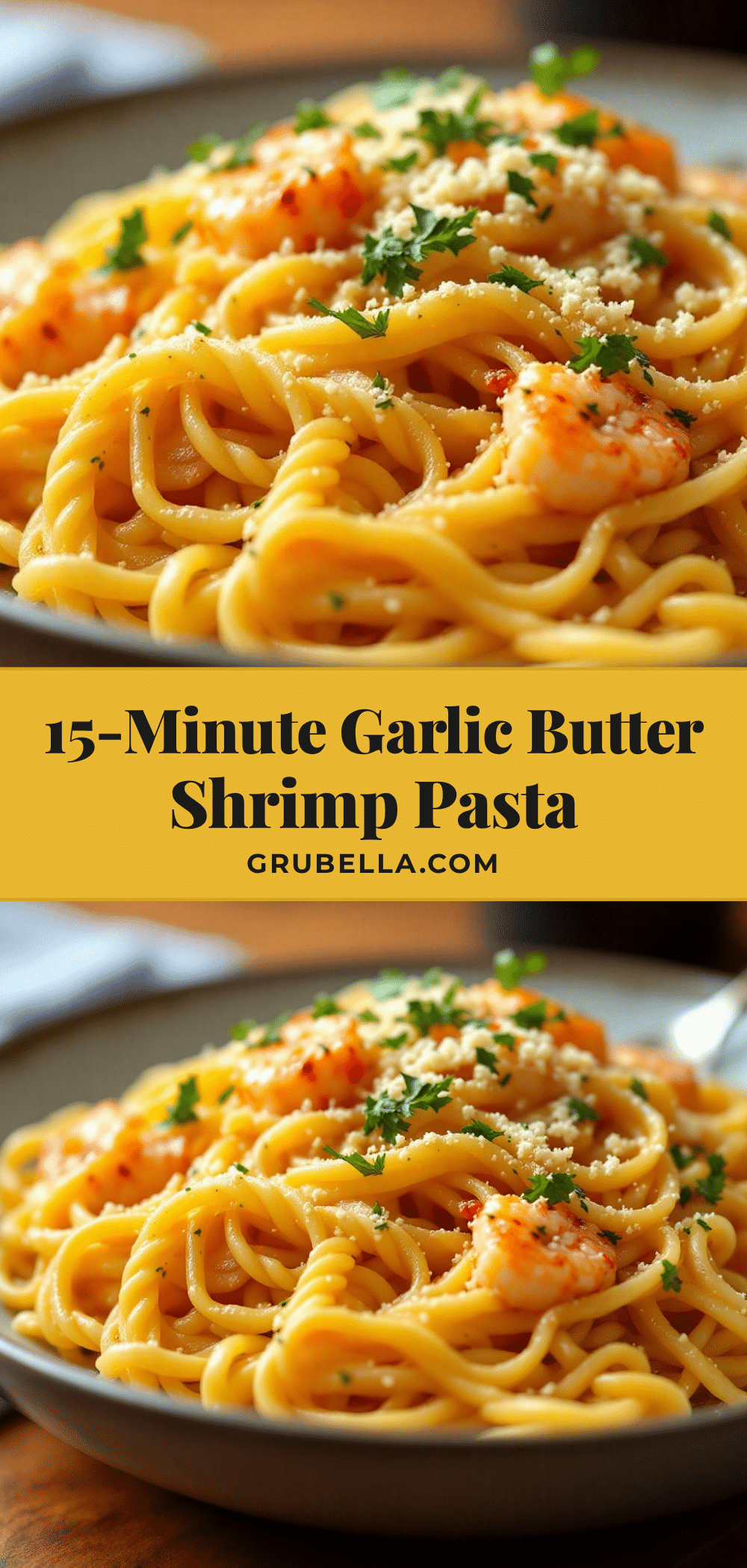
Quick Garlic Butter Shrimp Pasta – Easy 15-Minute Dinner
This quick garlic butter shrimp pasta is a 15-minute weeknight dinner that tastes like something from a little Italian place. Plump, tender shrimp, a silky garlic butter sauce, and a pop of lemon make this an easy, satisfying meal.
- Prep Time: 5 minutes
- Cook Time: 10 minutes
- Total Time: 15 minutes
- Yield: 4 servings 1x
- Category: Main Course
- Cuisine: Italian
Ingredients
- 8 ounces spaghetti or linguine
- 1 pound raw shrimp, peeled and deveined
- 4 tablespoons unsalted butter
- 4 cloves garlic, minced
- 1 tablespoon olive oil
- 1/2 teaspoon red pepper flakes (optional)
- 1/2 cup reserved pasta water
- Juice of 1 lemon (about 2 tablespoons)
- Zest of 1 lemon
- 1/4 cup fresh parsley, chopped
- Salt and black pepper to taste
- Freshly grated Parmesan cheese for serving
Instructions
- Bring a large pot of salted water to a boil. Use about 1 tablespoon of salt per 4 quarts of water. While the water comes to a boil, prep your ingredients: mince the garlic, chop the parsley, zest and juice the lemon, and pat the shrimp dry with paper towels. Season the shrimp with a pinch of salt and a few cracks of black pepper.
- Cook the pasta. Add the spaghetti or linguine to the boiling water and cook according to package directions until al dente (about 8-10 minutes). Before draining, reserve 1 cup of the starchy pasta water and set it aside.
- Sear the shrimp. While the pasta cooks, heat 1 tablespoon of olive oil and 1 tablespoon of butter in a large skillet over medium-high heat. Once the butter is melted and shimmering, add the shrimp in a single layer. Cook for 1-2 minutes per side, until pink and opaque with a slight golden crust. Transfer the cooked shrimp to a plate and set aside.
- Build the garlic butter sauce. Reduce the heat to medium and add the remaining 3 tablespoons of butter to the same skillet. Once it melts, add the minced garlic and red pepper flakes (if using). Cook for about 30-60 seconds, stirring constantly, until the garlic is fragrant but not browned.
- Bring the sauce together. Pour in about 1/2 cup of the reserved pasta water and stir, scraping up any browned bits from the bottom of the pan. Let it simmer for about a minute until it reduces slightly. Add the lemon juice and stir to combine.
- Toss everything together. Add the drained pasta directly to the skillet with the garlic butter sauce. Use tongs to toss the pasta, coating every strand. If the sauce seems too thick, add more pasta water a tablespoon at a time until it reaches the desired consistency.
- Add the shrimp back in. Return the seared shrimp to the skillet and toss gently to combine. Let everything warm through for about 30 seconds.
- Finish and serve. Remove the skillet from the heat. Stir in the lemon zest and most of the chopped parsley, reserving a little for garnish. Taste and adjust seasoning with salt and pepper. Serve immediately with a generous sprinkle of freshly grated Parmesan cheese and the remaining parsley on top.
Notes
Pat shrimp dry thoroughly for a good sear. Don’t crowd the pan when searing shrimp. Reserve more pasta water than you think you need. Taste as you go. Work in the right order: start pasta water first, then prep ingredients while it comes to a boil. If you forget to reserve pasta water, mix 1/2 teaspoon cornstarch with 1/2 cup water as a substitute.
Nutrition
- Serving Size: 1 serving
- Calories: 480
- Sugar: 2
- Sodium: 520
- Fat: 18
- Saturated Fat: 9
- Carbohydrates: 48
- Fiber: 2
- Protein: 28
Keywords: garlic butter shrimp pasta, quick shrimp pasta, 15-minute dinner, weeknight pasta, easy shrimp recipe