Love this? Save it for later!
Share the inspiration with your friends
I burned my first batch of snickerdoodles so badly the smoke alarm went off, and my dog hid under the bed for an hour.
It wasn’t even a complicated recipe. But I was in a rush, distracted, and convinced I could multitask my way through baking. The cookies spread into flat, crispy discs that tasted like burnt cinnamon and regret. I scraped them into the trash, ordered takeout, and told myself I just wasn’t a cookie person.
Turns out, I just wasn’t that cookie person.
This version—these Cozy Cinnamon Apple Cider Snickerdoodle Cookies—came about a few months later, on a rainy Sunday when I had nowhere to be and nothing to prove. I had a half-gallon of fresh apple cider in the fridge, a container of cinnamon that was about to expire, and that nagging feeling that I owed myself a do-over. So I pulled out my mixer, ignored my phone, and started playing.
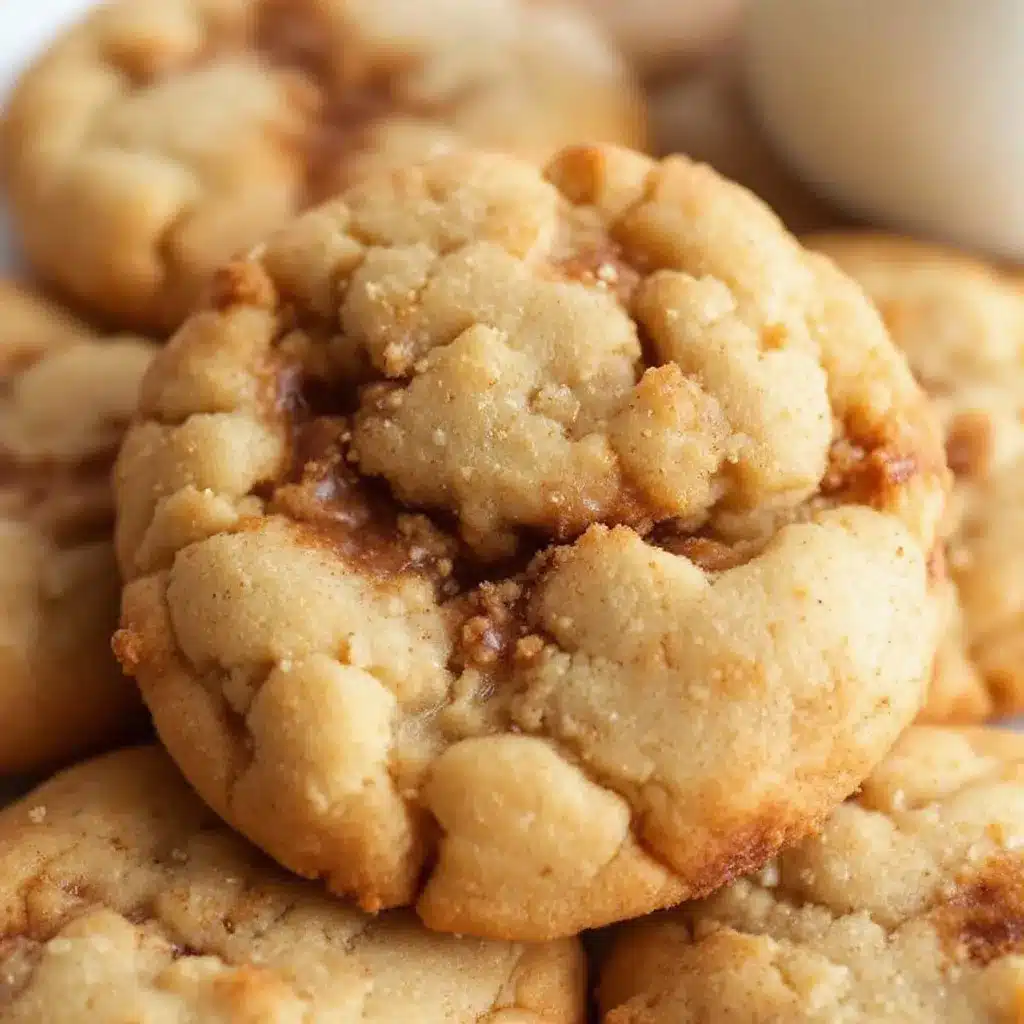
The first batch was promising. The second batch was good. By the third, I had that moment—you know the one—where you take a bite and just stop moving. The cookie was soft in the middle, slightly crisp at the edges, and carried this warm apple-cinnamon flavor that tasted like fall in cookie form. No smoke alarm. No burnt edges. Just a quiet kitchen, a plate of cookies, and the feeling that I had finally figured it out.
These cookies aren’t fancy. They don’t try to be. But they’re the kind you make when you want the house to smell good, when you want to slow down, or when you need a baking win after a string of kitchen failures. Trust me on that last one.
Why You’ll Love This Recipe
Let me tell you why these cookies earned a permanent spot in my fall baking rotation—and why they’ll probably end up in yours too.
- Soft, Chewy, and Perfectly Spiced: The texture is exactly what you want from a snickerdoodle—tender in the middle with a slight chew. The apple cider adds a subtle fruity tang that plays beautifully with the cinnamon-sugar coating.
- No Fancy Ingredients: You probably have everything you need already. Apple cider is easy to find in the fall, and the rest is basic baking staples. No trips to specialty stores required.
- Simple Technique: If you can cream butter and sugar, you can make these. No chilling the dough (though you can if you want), no complicated shaping, no fuss.
- Perfect for Fall Gatherings: These cookies show up at every apple-picking trip, Thanksgiving dessert table, and cozy weekend gathering I host. They’re unfussy enough for a casual snack but special enough to share.
- Kid-Approved and Adult-Adored: My niece calls them “apple cookies” and asks for them by name. My neighbor, who claims she doesn’t like sweets, ate three in one sitting. That’s the kind of universal appeal we’re talking about.
What makes these different from every other snickerdoodle recipe out there? It’s the apple cider reduction. Instead of just adding liquid cider to the dough (which would make the cookies too wet and flat), you simmer it down into a concentrated syrup. That little step concentrates all that apple flavor without throwing off the texture. It’s a small technique that makes a massive difference—and it’s the reason I kept coming back to this version.
These cookies are the kind you close your eyes for after the first bite. They’re comfort food at its simplest, and they make the whole kitchen smell like autumn.
What Ingredients You Will Need
This recipe keeps things simple. Most of these ingredients are pantry staples, and the ones that aren’t are easy to find. Here’s what you’ll need and why each one matters.
For the Apple Cider Reduction
- 1 cup apple cider (unfiltered is best, but any good-quality cider works)
For the Cookie Dough
- 2 ¾ cups all-purpose flour (spooned and leveled—don’t scoop directly from the bag)
- 1 teaspoon cream of tartar (this gives snickerdoodles their signature tang and soft texture)
- 1 teaspoon baking soda
- ½ teaspoon salt
- 1 teaspoon ground cinnamon
- ½ teaspoon ground nutmeg (freshly grated if you have it—it makes a difference)
- ¼ teaspoon ground cloves (optional, but adds that deep, warm spice note)
- 1 cup unsalted butter, softened to room temperature (I prefer Kerrygold for its rich flavor, but any good unsalted butter works)
- 1 ¼ cups granulated sugar
- 1 large egg, room temperature
- 2 teaspoons vanilla extract
- 3 tablespoons apple cider reduction (cooled to room temperature)
For the Cinnamon-Sugar Coating
- ¼ cup granulated sugar
- 2 teaspoons ground cinnamon
Ingredient Notes and Substitutions:
I recommend using unsalted butter so you can control the salt level. If you only have salted butter, reduce the added salt to ¼ teaspoon. For the apple cider, don’t use apple juice—it’s too thin and sweet, and it won’t reduce the same way. Look for fresh, refrigerated cider in the produce section during fall. If you’re gluten-sensitive, you can substitute a 1:1 gluten-free baking flour blend, though the texture will be slightly more tender and less chewy.
For the spices, feel free to adjust based on your preferences. If you love cinnamon, bump it up to 1 ½ teaspoons. If you’re not a clove fan, leave it out. The beauty of this recipe is that it’s forgiving—just keep the total spice amount in the same ballpark.
Equipment Needed
You don’t need a professional bakery setup for these cookies. Here’s what I use and what you can substitute if needed.
- Stand mixer or hand mixer: A stand mixer makes creaming butter and sugar effortless, but a hand mixer works just fine. You can even do it by hand with a wooden spoon if you’re patient and your butter is very soft.
- Small saucepan: For reducing the apple cider. A 1-quart saucepan is perfect.
- Baking sheets: I use light-colored aluminum baking sheets. Dark sheets can cause the bottoms to brown too quickly.
- Parchment paper or silicone baking mats: These prevent sticking and help the cookies bake evenly. I prefer parchment for easy cleanup.
- Cooling rack: Essential for getting those perfectly soft centers. If you don’t have one, let the cookies cool on the baking sheet for a few extra minutes before transferring.
- Measuring cups and spoons: For accuracy, use dry measuring cups for flour and sugar, and liquid measuring cups for the cider.
- Medium mixing bowls: One for dry ingredients, one for the cinnamon-sugar coating.
- Cookie scoop: A 1.5-tablespoon scoop gives you consistent cookie sizes. If you don’t have one, use two spoons to portion the dough.
My best tip? Invest in a good cookie scoop. I resisted for years and used two spoons like a caveman. When I finally bought one, my cookies became more uniform, they baked more evenly, and I stopped getting annoyed halfway through. Worth every penny.
Preparation Method
Let’s walk through this step by step. I’ll include the sensory cues I use to know when things are right.
Step 1: Make the Apple Cider Reduction
Pour the 1 cup of apple cider into a small saucepan. Bring it to a boil over medium-high heat, then reduce the heat to medium-low so it simmers gently. Let it cook, stirring occasionally, until it reduces to about 3 tablespoons. This takes about 15-20 minutes. The cider will thicken slightly and smell intensely of apples—your kitchen will smell amazing. When it’s done, pour it into a small bowl and let it cool completely. It should be syrupy, not watery. If it’s still thin, let it simmer a few more minutes.
Step 2: Preheat and Prep
Preheat your oven to 375°F (190°C). Line two baking sheets with parchment paper or silicone mats. Set aside.
Step 3: Mix Dry Ingredients
In a medium bowl, whisk together the flour, cream of tartar, baking soda, salt, cinnamon, nutmeg, and cloves. The mixture should look uniform and smell warm and spicy. Set aside.
Step 4: Cream Butter and Sugar
In the bowl of your stand mixer (or a large bowl if using a hand mixer), beat the softened butter and granulated sugar together on medium speed until light and fluffy, about 3-4 minutes. Scrape down the sides and bottom of the bowl once during mixing. The mixture should look pale, almost white, and feel airy when you scrape it. This step is crucial—don’t rush it. Proper creaming gives the cookies their soft texture.
Step 5: Add Wet Ingredients
Add the egg, vanilla extract, and the cooled apple cider reduction. Beat on medium speed until fully combined, about 1 minute. The batter might look slightly curdled at this point—that’s okay, it will come together when you add the flour. Scrape the bowl again.
Step 6: Combine Wet and Dry
With the mixer on low speed, gradually add the flour mixture. Mix until just combined—stop as soon as you no longer see streaks of flour. Overmixing at this stage will make the cookies tough. The dough will be soft, slightly sticky, and smell like warm apple cider. Don’t worry if it feels a little loose; that’s normal.
Step 7: Make the Cinnamon-Sugar Coating
In a small bowl, stir together the ¼ cup granulated sugar and 2 teaspoons cinnamon until evenly combined.
Step 8: Shape and Coat the Cookies
Scoop rounded tablespoons of dough (about 1.5 tablespoons each) and roll them into balls between your palms. The dough will be soft but should hold its shape. Roll each ball in the cinnamon-sugar mixture until fully coated. Place them on the prepared baking sheets, spacing them about 2 inches apart. They will spread, so give them room.
Step 9: Bake
Bake one sheet at a time in the preheated oven for 10-12 minutes. The cookies should look puffed, slightly cracked on top, and the edges should be set but the centers will still look soft and slightly underdone. That’s exactly what you want. If you overbake them, they’ll be dry. Trust the soft center—it will set as they cool.
Step 10: Cool
Let the cookies cool on the baking sheet for 5 minutes. This allows them to finish setting up. Then transfer them to a wire rack to cool completely. The centers will sink slightly and become perfectly soft and chewy.
Cooking Tips & Techniques
I learned most of these the hard way—through burnt batches, flat cookies, and one particularly memorable incident where I forgot the sugar entirely. Here’s what I wish someone had told me.
Don’t skip the cream of tartar. This is what gives snickerdoodles their signature tang and soft texture. If you leave it out, you’ll end up with a plain sugar cookie. No judgment—I’ve done it—but it’s not the same.
Use room temperature ingredients. Cold butter won’t cream properly, and cold egg can cause the batter to seize. Let your butter and egg sit on the counter for about 30 minutes before starting. If you’re in a hurry, you can soften butter in the microwave in 10-second bursts, but be careful not to melt it.
Measure flour correctly. Spoon the flour into your measuring cup and level it off with a knife. Scooping directly from the bag packs the flour down, and you’ll end up with too much. That leads to dry, dense cookies. I’ve tested this side by side—it matters.
Watch the cider reduction closely. It can go from perfect to burnt in about 30 seconds. As soon as it looks syrupy and measures about 3 tablespoons, take it off the heat. Let it cool completely before adding it to the dough. Hot reduction will melt the butter and ruin the texture.
Chill the dough if you have time. I know I said no chilling required, and that’s true. But if you chill the dough for 30 minutes to an hour, the cookies will be thicker and chewier. It’s optional, but it’s a nice trick if you want a more substantial cookie.
Bake one sheet at a time. Your oven heats unevenly when it’s crowded. Baking one sheet at a time ensures even browning and consistent results. If you try to bake two sheets at once, the bottom sheet will likely burn while the top sheet is underdone. Trust me—I’ve ruined a whole batch this way.
Variations & Adaptations
This recipe is a great starting point, but don’t be afraid to make it your own. Here are some variations I’ve tried and loved.
Gluten-Free Version: Substitute the all-purpose flour with a 1:1 gluten-free baking flour blend that contains xanthan gum. I’ve tested this with Bob’s Red Mill 1:1 Baking Flour, and the cookies turned out tender and slightly more delicate, but still delicious. Reduce the baking time by about 1 minute since gluten-free doughs tend to bake faster.
Dairy-Free Version: Use a high-quality vegan butter stick (not margarine) in place of the unsalted butter. I’ve had good results with Miyoko’s and Country Crock Plant Butter. Make sure it’s softened to room temperature. The cookies will be slightly less tender but still very good.
Spiced Apple Variation: Add ½ cup of finely diced dried apple pieces to the dough along with the flour. The dried apple rehydrates slightly during baking and adds little bursts of chewy apple flavor. I did this on a whim one afternoon and it was a happy accident.
Maple Cinnamon Twist: Replace the granulated sugar in the dough with 1 cup of maple sugar (or use 1 cup brown sugar for a deeper flavor). Add 1 tablespoon of maple syrup along with the wet ingredients. The cookies will be darker, richer, and have a subtle maple undertone that pairs beautifully with the apple cider.
Pumpkin Spice Version: If you’re already in the fall baking mindset, you can swap the cinnamon, nutmeg, and cloves for 2 teaspoons of pumpkin pie spice. I actually tested this alongside my Perfect Pumpkin Cream Cheese Muffins one weekend, and the two recipes made my kitchen smell like a bakery. The cookies had that familiar pumpkin spice flavor with the apple cider tang underneath. It’s subtle but lovely.
Air Fryer Adaptation: If you want to make a smaller batch, you can bake these in an air fryer. Preheat the air fryer to 325°F (163°C). Place 4-6 dough balls on a parchment-lined air fryer basket (don’t overcrowd). Bake for 6-8 minutes, checking at the 6-minute mark. The cookies will be slightly more browned on the bottom, so keep an eye on them.
Serving & Storage Suggestions
These cookies are best served slightly warm, when the centers are still soft and the cinnamon-sugar coating is slightly crunchy. But honestly, they’re good at any temperature.
Serving Ideas: I love serving these with a tall glass of cold milk or a warm mug of spiced tea. They’re also fantastic crumbled over vanilla ice cream for an impromptu dessert. If you’re hosting a fall gathering, arrange them on a platter with apple slices, candied pecans, and a small bowl of caramel sauce for dipping. It’s an easy, impressive presentation.
Storage: Store the cookies in an airtight container at room temperature for up to 5 days. Place a slice of bread in the container to keep them soft—the bread absorbs excess moisture and the cookies stay tender. Replace the bread slice every other day if you’re storing them longer.
Freezing: These cookies freeze beautifully. You can freeze the baked cookies in a single layer on a baking sheet, then transfer them to a freezer-safe bag for up to 3 months. Thaw at room temperature for about 30 minutes. Or, freeze the unbaked dough balls on a baking sheet, then transfer to a freezer bag. Bake from frozen, adding 2-3 minutes to the baking time. This is my go-to move for impromptu cookie cravings.
Reheating: Pop a cookie in the microwave for 10-15 seconds to bring back that fresh-from-the-oven softness. Or warm them in a 300°F oven for 5 minutes if you’re reheating a larger batch.
The flavors actually develop over time. Day-old cookies often taste even better because the apple cider flavor has had time to meld with the spices. I’ve been known to hide a few in the back of the pantry just for myself.
Nutritional Information & Benefits
Let’s be real—these are cookies, not health food. But they’re made with real ingredients, and that counts for something. Here’s the estimated nutrition per cookie (based on 24 cookies):
| Nutrient | Amount per Cookie |
|---|---|
| Calories | 165 |
| Total Fat | 8g |
| Saturated Fat | 5g |
| Cholesterol | 28mg |
| Sodium | 115mg |
| Total Carbohydrates | 22g |
| Dietary Fiber | 0.5g |
| Sugars | 12g |
| Protein | 2g |
Health Highlights: The apple cider provides a small amount of antioxidants and vitamin C. Cinnamon has anti-inflammatory properties and may help regulate blood sugar. The butter and egg provide vitamin A and protein. Are these a nutritional powerhouse? No. But they’re a treat made with real food, and that’s a win in my book.
Dietary Considerations: These cookies contain gluten, dairy, and eggs. For gluten-free and dairy-free options, see the variations section above. They are nut-free as written, making them a safe option for school lunchboxes or gatherings where allergies are a concern. If you’re looking for a nut-free dessert option, these pair beautifully with my Easy No-Bake Peanut Butter Oat Energy Bites for a balanced snack spread.
Conclusion
These Cozy Cinnamon Apple Cider Snickerdoodle Cookies are everything I want in a fall recipe—simple, forgiving, and deeply satisfying. They don’t require fancy equipment or hard-to-find ingredients. They don’t demand hours of your time. They just ask you to show up, follow a few simple steps, and trust the process.
I’ve made these cookies for Thanksgiving dinners, casual weekend baking sessions, and quiet evenings when I just wanted the house to smell good. They’ve never let me down. And after that first disastrous batch years ago, that means more than I can say.
I’d love to hear how yours turn out. Did you try any of the variations? Did you add your own twist? Drop a comment below and let me know. And if you’re looking for more cozy fall recipes, my Cozy Brown Butter Pumpkin Sourdough Bread is another favorite that fills the kitchen with the best aromas.
Happy baking, friends. May your cookies be soft, your kitchen smell like autumn, and your smoke alarm stay silent.
Frequently Asked Questions
Can I use apple juice instead of apple cider?
I don’t recommend it. Apple juice is thinner and sweeter than cider, and it won’t reduce to the same syrupy consistency. The cookies will end up too wet and flat. Stick with fresh apple cider for the best results.
Why did my cookies turn out flat?
Flat cookies usually mean one of three things: the butter was too soft or melted, the dough was overmixed, or the baking soda was old. Make sure your butter is softened but not melted, mix just until combined, and check that your baking soda is fresh (it should fizz when dropped in vinegar).
Can I make the dough ahead of time?
Absolutely. You can refrigerate the dough for up to 3 days. Let it sit at room temperature for about 10 minutes before scooping and rolling, as it will be quite firm straight from the fridge. You can also freeze the dough balls for up to 3 months.
How do I know when the apple cider reduction is done?
It should measure about 3 tablespoons and have a syrupy consistency. It will coat the back of a spoon and smell intensely of cooked apples. If it’s still watery, let it simmer a few more minutes. If it’s too thick and sticky, you’ve gone too far—start over with fresh cider.
Can I double this recipe?
Yes! This recipe doubles beautifully. Just make sure you have enough oven space to bake one sheet at a time. If you’re making a double batch, consider chilling the dough for 30 minutes to prevent excessive spreading from the larger volume.
Pin This Recipe!

Perfect Cinnamon Apple Cider Snickerdoodle Cookies

Soft, chewy snickerdoodle cookies infused with apple cider reduction and coated in cinnamon sugar. Perfect for fall gatherings and cozy baking sessions.
- Prep Time: 20 minutes
- Cook Time: 12 minutes
- Total Time: 45 minutes
- Yield: 24 cookies 1x
- Category: Dessert
- Cuisine: American
Ingredients
- 1 cup apple cider (unfiltered is best)
- 2 ¾ cups all-purpose flour (spooned and leveled)
- 1 teaspoon cream of tartar
- 1 teaspoon baking soda
- ½ teaspoon salt
- 1 teaspoon ground cinnamon
- ½ teaspoon ground nutmeg (freshly grated if possible)
- ¼ teaspoon ground cloves (optional)
- 1 cup unsalted butter, softened to room temperature
- 1 ¼ cups granulated sugar
- 1 large egg, room temperature
- 2 teaspoons vanilla extract
- 3 tablespoons apple cider reduction (cooled to room temperature)
- ¼ cup granulated sugar (for coating)
- 2 teaspoons ground cinnamon (for coating)
Instructions
- Make the apple cider reduction: Pour 1 cup apple cider into a small saucepan. Bring to a boil over medium-high heat, then reduce heat to medium-low and simmer gently until reduced to about 3 tablespoons, about 15-20 minutes. Pour into a small bowl and let cool completely.
- Preheat oven to 375°F (190°C). Line two baking sheets with parchment paper or silicone mats.
- In a medium bowl, whisk together flour, cream of tartar, baking soda, salt, cinnamon, nutmeg, and cloves.
- In a large bowl (or stand mixer), beat softened butter and 1 ¼ cups granulated sugar on medium speed until light and fluffy, about 3-4 minutes. Scrape down sides as needed.
- Add egg, vanilla extract, and cooled apple cider reduction. Beat on medium speed until fully combined, about 1 minute. Scrape bowl again.
- With mixer on low speed, gradually add flour mixture. Mix until just combined—do not overmix. Dough will be soft and slightly sticky.
- In a small bowl, stir together ¼ cup granulated sugar and 2 teaspoons cinnamon for coating.
- Scoop rounded tablespoons of dough (about 1.5 tablespoons each) and roll into balls. Roll each ball in cinnamon-sugar mixture until fully coated. Place on prepared baking sheets, spacing 2 inches apart.
- Bake one sheet at a time for 10-12 minutes. Cookies should look puffed, slightly cracked on top, with edges set but centers still soft.
- Let cookies cool on baking sheet for 5 minutes, then transfer to a wire rack to cool completely.
Notes
Don’t skip the cream of tartar—it gives snickerdoodles their signature tang and soft texture. Use room temperature ingredients for best results. Measure flour correctly by spooning and leveling. Watch the cider reduction closely to avoid burning. Chilling the dough for 30 minutes to 1 hour will yield thicker, chewier cookies. Bake one sheet at a time for even browning.
Nutrition
- Serving Size: 1 cookie
- Calories: 165
- Sugar: 12
- Sodium: 115
- Fat: 8
- Saturated Fat: 5
- Carbohydrates: 22
- Fiber: 0.5
- Protein: 2
Keywords: snickerdoodle, apple cider, cinnamon, fall cookies, soft cookies, chewy cookies, apple cookies