Love this? Save it for later!
Share the inspiration with your friends
For a while, I just accepted that persimmon bread wasn’t going to taste like actual fruit. It was always just spiced banana bread with a weird name, you know? The breads I found online were either dry as sawdust or loaded with twelve different spices that masked the main ingredient. I had tried everything from box mixes to fancy bakery loaves, but they all felt like a compromise. I wanted something that tasted like autumn in its purest form—sweet, soft, and deeply fragrant.
I remember standing in my kitchen one rainy November afternoon, staring at a bag of Fuyu persimmons that were getting too soft to eat fresh. They were mushy and sweet, perfect for baking but ugly for snacking. I didn’t want to waste them. I didn’t want to make another complicated cake that required a stand mixer or hours of prep time. I just wanted a simple, honest loaf that let the persimmon shine without demanding too much effort.
So, I started experimenting. I kept stripping away ingredients until only the essentials remained. No butter overload, no excessive sugar, just the fruit, some flour, and a little bit of help from walnuts for texture. The first batch was okay, but the second batch was the one that changed things. It was moist without being heavy, and the flavor was unmistakably persimmon. It wasn’t a dramatic revelation, just a quiet realization that sometimes the best recipes are the ones you stop overthinking.
Now, this moist persimmon bread is my go-to when the season turns. It’s not complicated, and it doesn’t try to be anything it’s not. It’s just good bread. And honestly, that’s all you really need.
Why You’ll Love This Recipe
This isn’t just another fruit bread recipe that sits on your counter for three days before you give up on it. I’ve tested this version multiple times, tweaking ratios and baking times, to get that perfect balance of moisture and structure. It’s designed for real life, where you don’t always have time to whip up something gourmet. Here is why this loaf stands out:
- Quick & Easy: You can have this in the oven in under 15 minutes. It’s perfect for those busy weeknights when you need a dessert or a snack ready in a hurry. No fancy techniques required.
- Simple Ingredients: You likely already have everything in your pantry. Just mashed persimmons, flour, sugar, eggs, and walnuts. No trip to the specialty store needed.
- Perfect for Fall Baking: This is the ultimate seasonal comfort food. It pairs beautifully with a hot cup of tea or coffee, making it ideal for cozy mornings or rainy afternoons.
- Crowd-Pleaser: The texture is soft and tender, and the walnuts add a necessary crunch that keeps every bite interesting. Kids and adults alike usually ask for seconds.
- Unbelievably Delicious: The natural sweetness of ripe persimmons means you don’t need to drown the loaf in syrup. It’s rich, fragrant, and satisfying without being cloying.
What makes this recipe different is the focus on simplicity. Many persimmon bread recipes try to mask the unique flavor of the fruit with heavy spices like cinnamon and nutmeg. Here, we keep the spice profile light so the fruit can take center stage. It’s not just good—it’s the kind of bread that makes you close your eyes after the first bite. It’s comfort food reimagined for the modern baker—faster, easier, but with the same soul-soothing satisfaction. It’s perfect for impressing guests without stress, or turning a simple Tuesday evening into something memorable.
What Ingredients You Will Need
This recipe uses simple, wholesome ingredients to deliver bold flavor and satisfying texture without the fuss. The magic here lies in the quality of the persimmons, so take your time selecting them. You don’t need any fancy gadgets or obscure items, just a few staples that most kitchens already have on hand.
- Ripe Persimmons (2 large): You need about 1 ½ cups of mashed fruit. Look for Fuyu persimmons that are soft to the touch, almost like a water balloon. They should be sweet and free of astringency. Hachiya persimmons work too, but you must wait until they are jelly-soft. I prefer Fuyu because they are easier to handle, but Hachiyas give a slightly more intense flavor.
- All-Purpose Flour (1 ½ cups): This provides the structure. Don’t use self-rising flour unless you adjust the leavening agents. Spoon and level your flour to avoid a dense loaf.
- Granulated Sugar (¾ cup): Persimmons are naturally sweet, so you don’t need a huge amount of sugar. If you prefer less sweet bread, you can reduce this to ½ cup, but I recommend sticking to ¾ cup for the best crumb.
- Unsalted Butter (¼ cup, melted): Yes, only a quarter cup. This keeps the bread moist without making it greasy. Melt it and let it cool slightly before mixing.
- Large Eggs (2): Room temperature eggs mix more evenly into the batter. This helps create a uniform texture throughout the loaf.
- Baking Soda (½ teaspoon): This reacts with the natural acidity in the persimmons to help the bread rise. Make sure it’s fresh for the best lift.
- Baking Powder (½ teaspoon): A little extra lift to ensure the bread isn’t too dense.
- Salt (½ teaspoon): Essential for balancing the sweetness. Don’t skip this step.
- Ground Cinnamon (1 teaspoon): Adds warmth without overpowering the fruit. If you’re a fan of spice, you can bump this up to 1 ½ teaspoons.
- Ground Ginger (¼ teaspoon): Just a pinch adds complexity and highlights the autumnal flavor profile.
- Crunchy Walnuts (½ cup, chopped): These add a necessary textural contrast to the soft bread. Toasting them first enhances their flavor, but raw walnuts work fine too.
If you don’t have persimmons, you can try substituting with very ripe bananas, but the flavor will be different. For a gluten-free option, you can swap the all-purpose flour for a 1:1 gluten-free baking blend, though the texture might be slightly crumblier.
Equipment Needed
You don’t need a lot of fancy tools to make this bread. In fact, keeping the equipment minimal is part of why this recipe is so easy. Here is what you’ll need:
- 9×5-inch Loaf Pan: This is the standard size for most quick breads. If you don’t have one, a standard muffin tin works great for making individual loaves or muffins. Just reduce the baking time by about 10-15 minutes.
- Mixing Bowls: You’ll need one medium bowl for the dry ingredients and one large bowl for the wet ingredients. A large ceramic or glass bowl works well.
- Fork or Potato Masher: To mash the persimmons. A fork is usually sufficient, but a masher makes it quicker if you have a lot of fruit.
- Whisk: For combining the dry ingredients and beating the eggs. A simple balloon whisk is perfect.
- Spatula: A rubber spatula is essential for folding in the walnuts and scraping the bowl clean. It helps ensure you don’t overmix the batter.
- Cooling Rack: Letting the bread cool on a rack prevents the bottom from getting soggy. It’s a small step that makes a big difference in texture.
If you’re on a budget, you probably already have all of this. I’ve made this bread with just a fork and a bowl, so don’t worry if you don’t have a fancy stand mixer. The key is just being gentle with the batter.
Preparation Method
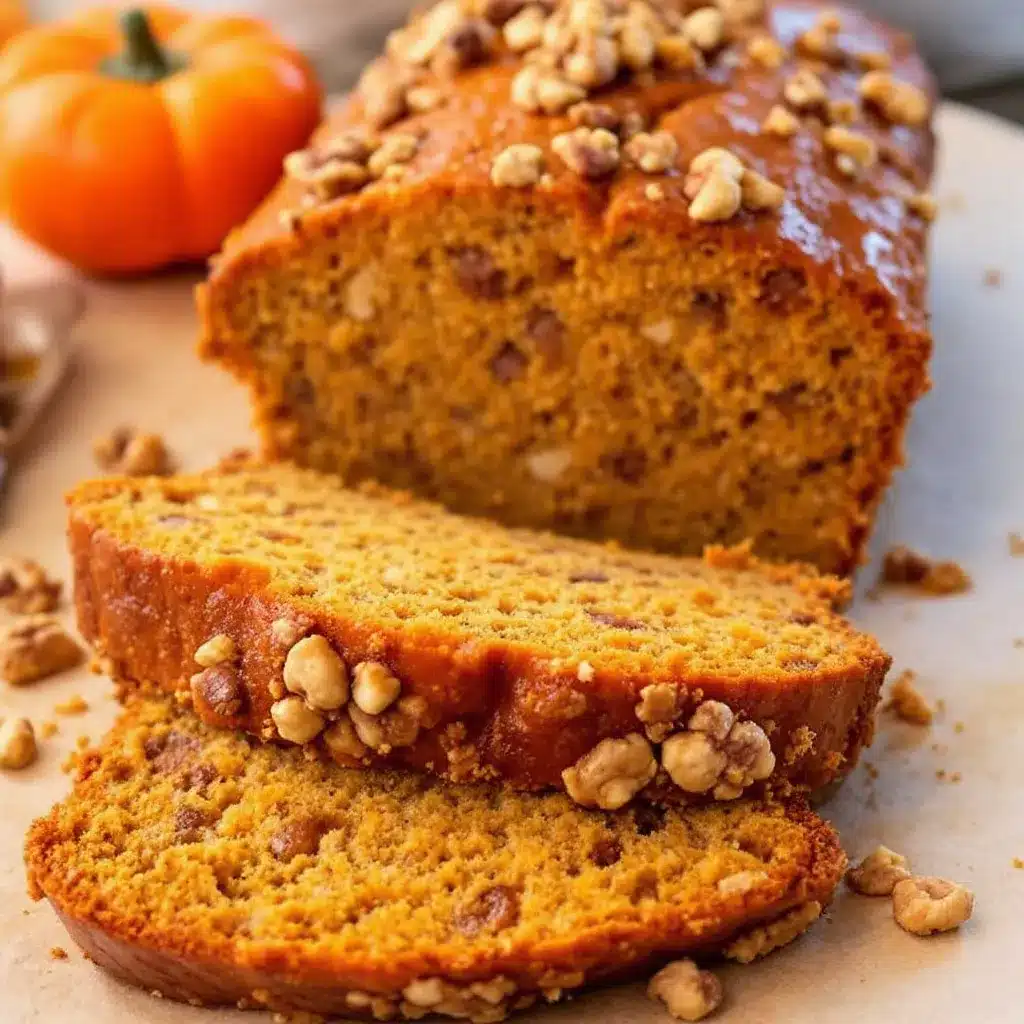
- Prep your pan and oven: Preheat your oven to 350°F (175°C). Grease your 9×5-inch loaf pan with non-stick spray or a light coat of butter. You can also line it with parchment paper for easy removal, though it’s not strictly necessary if you grease it well. This step takes about 2 minutes.
- Prepare the persimmons: Peel the ripe persimmons. If using Fuyu, you can peel them with a knife or vegetable peeler. If using Hachiya, just scoop the flesh out of the skin. Mash the fruit in a large bowl until it is smooth. You should have about 1 ½ cups of puree. This usually takes 3-5 minutes depending on how ripe they are.
- Mix the wet ingredients: To the mashed persimmons, add the melted butter, sugar, and eggs. Whisk everything together until it is well combined and smooth. The mixture should look like a thick, orange liquid. This takes about 2 minutes.
- Combine the dry ingredients: In a separate medium bowl, whisk together the flour, baking soda, baking powder, salt, cinnamon, and ginger. Make sure there are no lumps of baking soda left, as they can leave bitter spots in the bread. This takes 1 minute.
- Combine wet and dry: Pour the dry ingredients into the wet mixture. Use a spatula to gently fold them together. Stop mixing as soon as you no longer see streaks of flour. Overmixing is the enemy here—it leads to tough bread. This step should take less than 2 minutes.
- Add the walnuts: Fold in the chopped walnuts. Be gentle here too. You want to distribute them evenly without breaking them up too much. If you want the walnuts on top for a pretty finish, reserve a few and sprinkle them on before baking.
- Bake: Pour the batter into the prepared loaf pan. Smooth the top with your spatula. Bake for 50-60 minutes. Check the bread at the 50-minute mark. Insert a toothpick into the center; if it comes out clean or with just a few moist crumbs, it’s done. If it’s wet, give it another 5-10 minutes.
- Cool: Let the bread cool in the pan for 10 minutes. Then, transfer it to a wire rack to cool completely. This step is crucial. If you cut into it while it’s hot, the center might be gummy. Wait at least 30 minutes before slicing. This cooling process takes about 45 minutes total.
Personal tip: If your kitchen is humid, you might need to add an extra 5 minutes to the baking time. Every oven is different, so trust your toothpick test over the clock.
Cooking Tips & Techniques
Getting the texture right is the hardest part of quick bread baking. Here are some professional techniques and lessons I’ve learned from burning a few loaves along the way:
- Don’t overmix: I cannot stress this enough. Once you add the flour, mix only until combined. A few lumps are fine. Overmixing develops gluten, which makes the bread tough and chewy instead of tender.
- Check your persimmons: Make sure they are fully ripe. If they are firm or astringent, the bread will taste bitter. Soft, sweet fruit is non-negotiable for this recipe. If you’re unsure, taste a small piece. If it’s tart, don’t use it.
- Toast the walnuts: For an extra layer of flavor, toast the walnuts in a dry pan over medium heat for 3-4 minutes before adding them to the batter. This brings out their natural oils and makes them crunchier.
- Room temperature ingredients: While not critical for this specific recipe, having your eggs and butter at room temperature helps them emulsify better with the persimmon puree. This creates a smoother, more uniform batter.
- Test for doneness: The toothpick test is your best friend. But also look at the edges of the bread. If they are pulling away from the sides of the pan, it’s a good sign that it’s done. The top should spring back lightly when pressed.
Common mistake: Cutting the bread too early. I’ve done it many times. The heat continues to cook the center even after you take it out of the oven. Patience pays off.
Variations & Adaptations
While the classic version is my favorite, this recipe is very adaptable. Here are a few ways to make it your own:
- Chocolate Chip Persimmon Bread: Swap the walnuts for semi-sweet chocolate chips. The combination of sweet persimmon and dark chocolate is incredible. Add ¾ cup of chips instead of walnuts.
- Gluten-Free Option: Use a high-quality 1:1 gluten-free flour blend. Add ½ teaspoon of xanthan gum if your blend doesn’t include it. The texture might be slightly more crumbly, but it will still be delicious.
- Vegan Version: Replace the eggs with two flax eggs (2 tablespoons ground flaxseed mixed with 6 tablespoons water, let sit for 5 minutes). Use coconut oil instead of butter. The bread will be slightly denser, but still moist.
- Spice It Up: Add ½ teaspoon of cardamom or allspice to the dry ingredients for a more complex spice profile. This works well if you have a lot of cinnamon on hand.
- Orange Zest: Add the zest of one orange to the batter. The citrus brightness cuts through the sweetness and enhances the persimmon flavor. This is a personal favorite of mine.
I once tried adding dried cranberries instead of walnuts, and it was surprisingly good. The tartness of the cranberries balanced the sweet bread nicely. Feel free to experiment with what you have on hand.
Serving & Storage Suggestions
This bread is best served slightly warm or at room temperature. A thin slice with a dollop of cream cheese or a smear of butter is perfect for breakfast or brunch. It also pairs well with a hot cup of tea or coffee.
- Storage: Store leftovers in an airtight container at room temperature for up to 3 days. If your kitchen is very hot, you might want to refrigerate it, but it will dry out slightly. For longer storage, wrap the loaf tightly in plastic wrap and aluminum foil, then freeze it for up to 3 months.
- Reheating: To reheat, wrap a slice in foil and warm it in a 300°F oven for 10 minutes. Or, microwave it for 20-30 seconds. This restores the moisture and makes it taste fresh-baked.
- Serving Suggestions: This bread goes well with a light salad for lunch or as a dessert with vanilla ice cream. It also makes great sandwiches if you use it for breakfast with nut butter.
The flavors actually develop over time. I’ve found that the bread tastes even better on the second day, as the spices have had time to meld with the fruit.
Nutritional Information & Benefits
This moist persimmon bread is a relatively balanced treat. Persimmons are rich in Vitamin A and Vitamin C, which are good for your immune system and skin health. They also provide fiber, which aids in digestion. Walnuts add healthy omega-3 fatty acids and protein, making this bread more satisfying than a standard cake.
Each slice (assuming 10 slices per loaf) contains approximately 180 calories, 2g of protein, 3g of fat, and 35g of carbohydrates. It is not gluten-free unless you use gluten-free flour, so be mindful if you have sensitivities. It is a moderate-sugar option compared to other baked goods, thanks to the natural sweetness of the fruit. I enjoy this as a mindful treat, paired with a warm beverage, rather than a heavy dessert.
Conclusion
This moist persimmon bread with crunchy walnuts is a testament to the power of simple ingredients. It’s easy to make, requires minimal cleanup, and tastes amazing. I hope you try it and enjoy it as much as I do. It’s a great way to use up those soft persimmons before the season ends. Feel free to customize it with your favorite add-ins or spices. Let me know in the comments how it turns out for you! I’d love to hear your variations. Happy baking!
FAQs
Can I use unripe persimmons for this recipe?
No, unripe persimmons are astringent and will make the bread taste bitter. You need fully ripe, soft persimmons for the best flavor and texture.
How do I know if my persimmons are ripe?
They should be soft to the touch, like a ripe tomato or a water balloon. Fuyu persimmons should be deep orange, and Hachiya persimmons should be jelly-soft.
Can I freeze the bread?
Yes, you can freeze the bread for up to 3 months. Wrap it tightly in plastic wrap and aluminum foil to prevent freezer burn.
Can I use bananas instead of persimmons?
You can, but the flavor will be different. Banana bread is a different recipe. Persimmons have a unique honey-like sweetness that bananas don’t quite match.
Why is my bread dense?
You might have overmixed the batter or used old baking soda. Make sure to mix only until the flour is combined, and check the expiration date of your leavening agents.
Pin This Recipe!
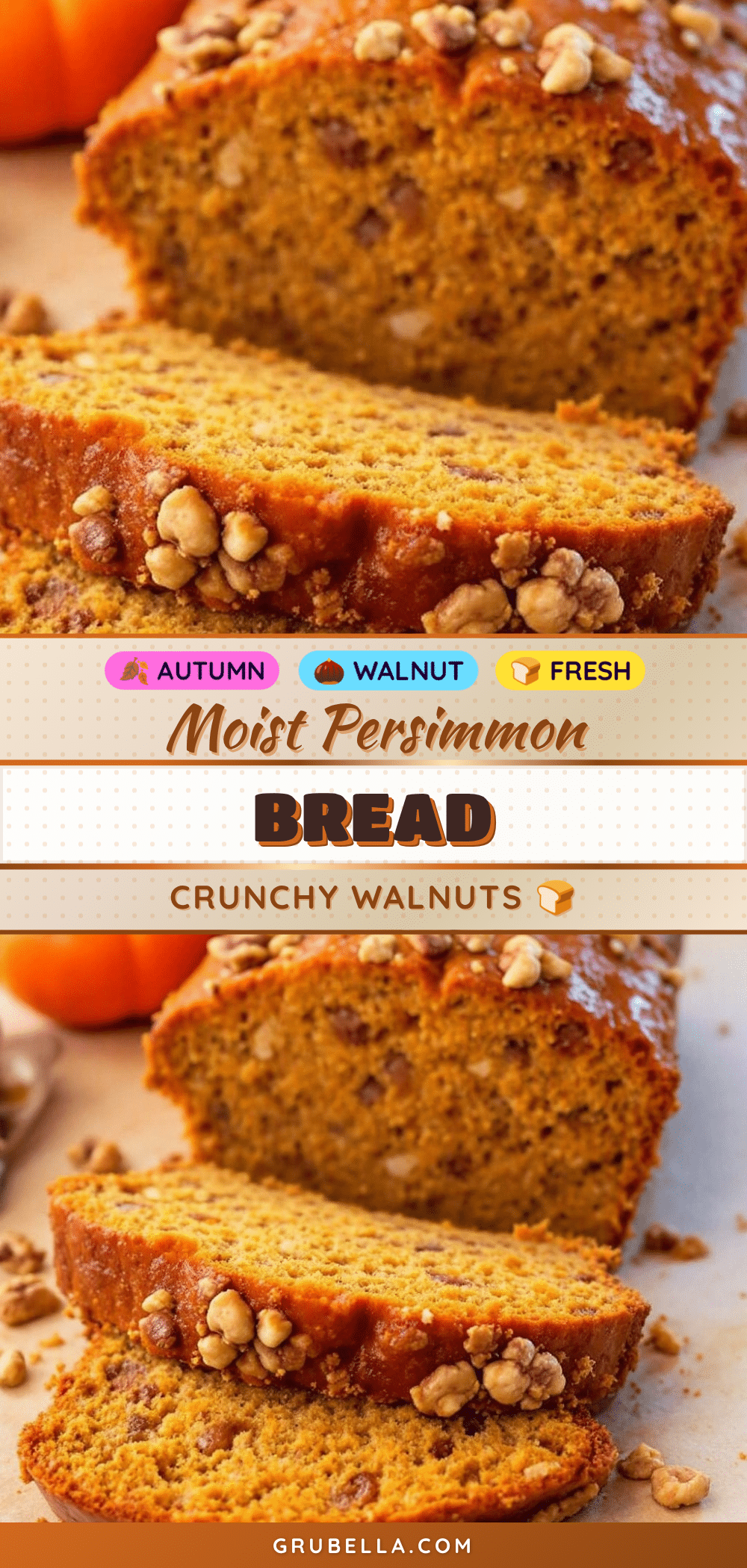
Moist Persimmon Bread: Best 5-Ingredient Homemade Recipe
A simple, moist persimmon bread made with just a few essential ingredients. This quick and easy loaf lets the natural sweetness of ripe persimmons shine, enhanced by crunchy walnuts and light spices.
- Prep Time: 15 minutes
- Cook Time: 50-60 minutes
- Total Time: 1 hour 15 minutes
- Yield: 10 servings 1x
- Category: Dessert
- Cuisine: American
Ingredients
- 2 large ripe persimmons (about 1 ½ cups mashed)
- 1 ½ cups all-purpose flour
- ¾ cup granulated sugar
- ¼ cup unsalted butter, melted
- 2 large eggs, room temperature
- ½ teaspoon baking soda
- ½ teaspoon baking powder
- ½ teaspoon salt
- 1 teaspoon ground cinnamon
- ¼ teaspoon ground ginger
- ½ cup crunchy walnuts, chopped
Instructions
- Preheat oven to 350°F (175°C). Grease a 9×5-inch loaf pan with non-stick spray or butter, or line with parchment paper.
- Peel the ripe persimmons and mash them in a large bowl until smooth. You should have about 1 ½ cups of puree.
- To the mashed persimmons, add the melted butter, sugar, and eggs. Whisk until well combined and smooth.
- In a separate medium bowl, whisk together the flour, baking soda, baking powder, salt, cinnamon, and ginger.
- Pour the dry ingredients into the wet mixture. Gently fold together with a spatula until just combined; do not overmix.
- Fold in the chopped walnuts. Reserve a few for topping if desired.
- Pour batter into the prepared loaf pan and smooth the top. Bake for 50-60 minutes, or until a toothpick inserted into the center comes out clean.
- Let the bread cool in the pan for 10 minutes, then transfer to a wire rack to cool completely (at least 30 minutes) before slicing.
Notes
Ensure persimmons are fully ripe and soft. Do not overmix the batter to avoid tough bread. Toasting walnuts beforehand enhances flavor. The bread tastes even better on the second day as flavors meld.
Nutrition
- Serving Size: 1 slice
- Calories: 180
- Sugar: 20
- Sodium: 200
- Fat: 3
- Saturated Fat: 1
- Carbohydrates: 35
- Fiber: 2
- Protein: 2
Keywords: persimmon bread, quick bread, fall baking, walnut bread, homemade bread, easy dessert, seasonal baking