Love this? Save it for later!
Share the inspiration with your friends
“Last July, I found myself standing at the cracked sidewalk edge of my neighborhood, sweat dripping down my forehead, wondering how on earth runners managed to train in this blazing summer heat,” I confessed to my friend Lisa. She just smiled knowingly and handed me a water bottle filled with a homemade electrolyte drink. That moment sparked my quest to figure out a healthy marathon training nutrition plan for summer heat—a plan that could keep me fueled, hydrated, and motivated without feeling like I was running through a desert.
Honestly, training for a marathon under the summer sun felt like juggling fire. I remember one particular morning when I forgot my usual breakfast bar and ended up grabbing a sugary snack that left me sluggish halfway through my run. Maybe you’ve been there—racing the clock, battling the heat, and trying to make the best food choices for endurance and recovery. Through trial, error, and a few sweaty kitchen mishaps (yes, I once dropped a blender full of smoothie on the floor), I crafted a nutrition plan that worked wonders for me.
What makes this plan stick with me is not just the balance of carbs, proteins, and electrolytes, but the way it respects summer’s challenges without sacrificing flavor or practicality. I mean, no one wants to eat heavy meals before a run when the temperature’s soaring, right? Whether you’re a seasoned marathoner or gearing up for your first race, this nutrition guide is designed to make your summer training smoother, healthier, and honestly, a bit more enjoyable. Let’s face it—running in heat is tough, but fueling smartly doesn’t have to be.
Why You’ll Love This Recipe
This healthy marathon training nutrition plan for summer heat is not just a generic list of do’s and don’ts. It’s been tested on my own sun-soaked runs and refined for real-life practicality. Here’s why it’s a game-changer:
- Quick & Easy: Comes together in under 15 minutes, perfect for busy mornings or pre-run snacks when you’re rushing out the door.
- Simple Ingredients: Uses common pantry staples and fresh seasonal produce, so no last-minute store runs needed.
- Perfect for Summer Training: Designed specifically to combat heat-related fatigue and dehydration while supporting endurance.
- Crowd-Pleaser: Whether you’re sharing with your running group or family, these options satisfy diverse tastes.
- Unbelievably Delicious: Balanced flavors and textures that make healthy eating feel like a treat, not a chore.
This isn’t just another run-of-the-mill nutrition plan. The magic happens with a few smart tweaks—like swapping heavy dairy for coconut yogurt for cooler digestion, or blending in natural salts to replenish electrolytes. Each tip is grounded in real experience (and a few sweat-drenched lessons), making it a trustworthy companion for any summer marathon journey. The plan strikes that rare balance between taste, nutrition, and practicality, turning a tough season into a manageable one.
What Ingredients You Will Need
This plan relies on simple, wholesome ingredients that pack a punch in flavor and nutrition, perfect for keeping you energized during summer training without weighing you down. Think fresh fruits, whole grains, lean proteins, and natural sources of hydration and electrolytes.
- For Hydration & Electrolyte Balance:
- Natural coconut water (rich in potassium and magnesium)
- Sea salt or Himalayan pink salt (adds sodium, key for electrolyte balance)
- Fresh lemon or lime juice (for flavor and vitamin C boost)
- Raw honey or maple syrup (natural sweetener for energy)
- For Carbohydrate Energy:
- Rolled oats or quick oats (choose gluten-free if needed)
- Bananas, ripe and mashed (great for potassium and natural sugars)
- Berries, fresh or frozen (antioxidants and flavor)
- Sweet potatoes, roasted and cooled (complex carbs for sustained energy)
- For Protein Recovery:
- Plain Greek yogurt or dairy-free coconut yogurt (protein and probiotics)
- Chia seeds or flaxseeds (plant-based protein and omega-3s)
- Eggs, hard-boiled or scrambled (complete protein)
- Almond butter or peanut butter (healthy fats and protein)
- For Quick Snacks:
- Rice cakes or whole grain crackers
- Hummus (for savory options)
- Fresh cucumber and carrot sticks
When selecting ingredients, I prefer brands like Bob’s Red Mill oats for their consistent texture, and for coconut water, Harmless Harvest has been my go-to for freshness. Seasonal swaps are easy here—grab whatever berries are ripe, or swap sweet potatoes for butternut squash in fall.
For gluten-free diets, almond flour or gluten-free oats work perfectly. If dairy is a no-go, coconut or almond-based yogurts are excellent alternatives that won’t upset your stomach during runs. Honestly, this plan’s flexibility makes it a breeze to adapt to your pantry or preferences without missing out on nutrition.
Equipment Needed
To put this healthy marathon training nutrition plan into action, you won’t need a fancy kitchen setup. Here’s what I usually rely on:
- Blender or food processor – essential for smoothies and homemade electrolyte drinks. A basic model works fine; no need for high-end.
- Mixing bowls – for combining ingredients like oats and seeds.
- Measuring cups and spoons – helps with consistency, especially for portion control.
- Baking sheet – if roasting sweet potatoes or prepping snacks in bulk.
- Sharp knife and cutting board – for chopping fruits and veggies.
- Reusable water bottles or hydration packs – staying hydrated is crucial under summer heat.
When I first started, I didn’t have a blender and just mashed bananas and stirred electrolyte drinks by hand—worked just fine! If you’re on a budget, many stores carry affordable versions of these tools that get the job done without breaking the bank. Keeping your equipment clean and in good shape also speeds up prep time, so washing right after use is my little kitchen hack.
Preparation Method
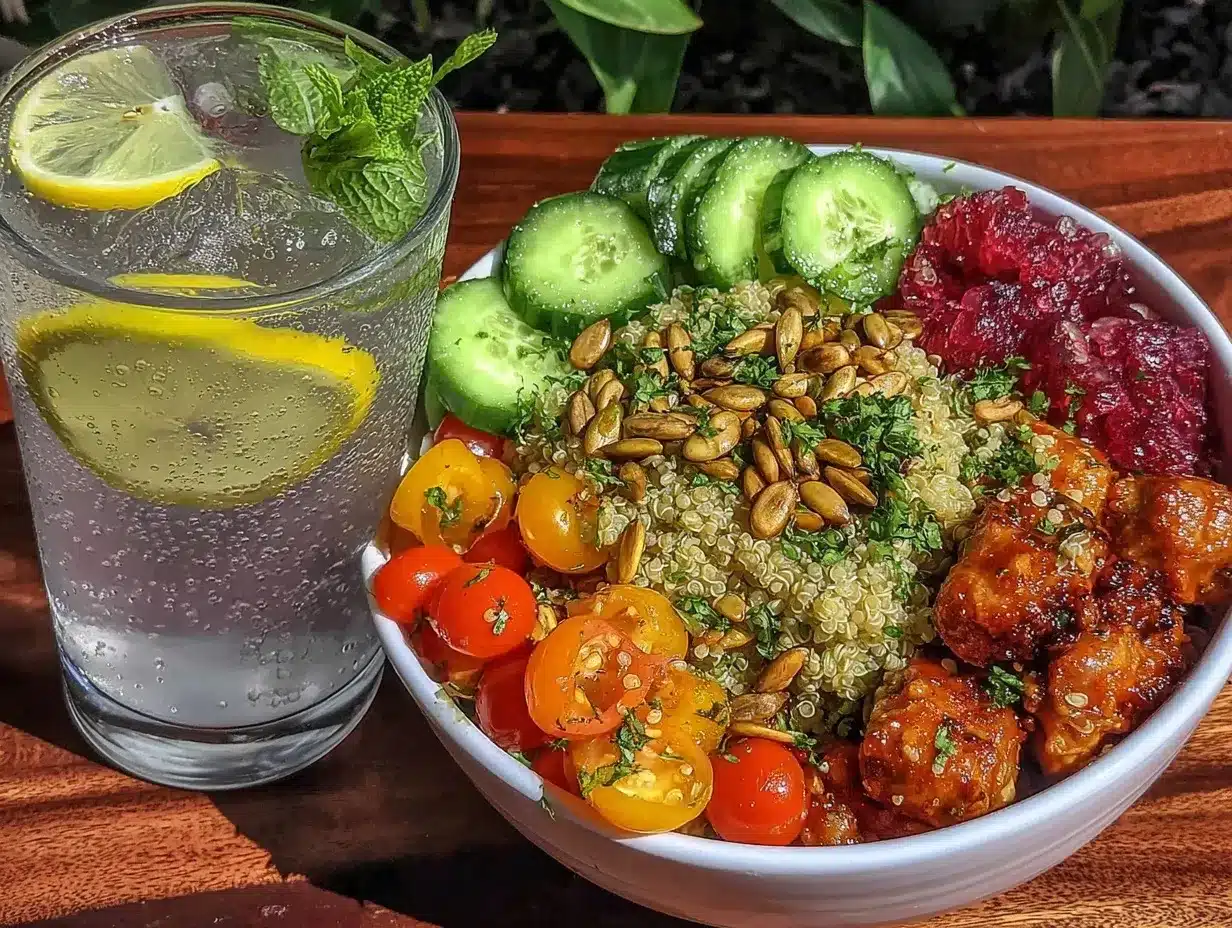
- Make Your Electrolyte Drink (5 minutes): In a large water bottle or pitcher, combine 2 cups (480 ml) of natural coconut water with the juice of one lemon or lime. Add 1/4 teaspoon of sea salt and 1 tablespoon of raw honey or maple syrup. Stir or shake well until honey dissolves. Taste and adjust sweetness or saltiness as needed. Store chilled for refreshing hydration before or after runs.
- Prepare Overnight Oats for a Pre-Run Breakfast (10 minutes prep, overnight soak): In a jar or bowl, mix 1/2 cup (45 g) rolled oats, 1/2 cup (120 ml) Greek or coconut yogurt, 1/2 mashed banana, and 1 tablespoon chia seeds. Add a splash of almond milk if needed for creaminess. Stir well, cover, and refrigerate overnight. In the morning, top with fresh berries or a drizzle of nut butter.
- Roast Sweet Potatoes (30-40 minutes): Preheat oven to 400°F (200°C). Peel and cube 1 medium sweet potato. Toss with a teaspoon of olive oil and a pinch of salt. Spread on a baking sheet and roast for about 30 minutes until tender and caramelized. Cool and store in airtight container for quick carb boosts during the week.
- Hard-Boil Eggs (12 minutes cooking): Place eggs in a pot and cover with cold water by about an inch. Bring to a boil, then remove from heat and cover. Let sit for 12 minutes. Drain and cool under cold running water. Peel and refrigerate for protein-packed snacks.
- Assemble Quick Snack Packs: Slice cucumber and carrots into sticks. Portion hummus into small containers. Combine rice cakes or whole grain crackers with almond butter or nut butter in snack bags for grab-and-go energy.
- Hydrate Throughout the Day: Keep sipping your homemade electrolyte drink or plain water every 15-20 minutes during runs or hot weather. Avoid sugary sports drinks that can cause energy crashes.
- Post-Run Recovery Smoothie (5 minutes): Blend 1 cup (240 ml) coconut water, 1/2 cup (120 g) Greek or coconut yogurt, 1/2 cup (75 g) mixed berries, 1 tablespoon flaxseeds or chia seeds, and a handful of spinach for nutrients. Drink immediately after your run for muscle recovery and hydration.
Pro tip: I always prep overnight oats and roast sweet potatoes on Sunday evenings. Makes weekday mornings and post-run meals effortless. If you mess up the electrolyte drink balance the first time, don’t fret—adjust salt and sweetness to your taste. You’ll know it’s right when it tastes like a lightly salted lemonade, not too salty or sugary.
Cooking Tips & Techniques
Training in summer heat calls for a few special techniques to keep your nutrition solid and your body happy. From personal experience, here’s what I’ve learned:
- Hydrate Before You’re Thirsty: Thirst is a late signal. Sip fluids regularly rather than gulping after you’re already dehydrated.
- Go Easy on Heavy Proteins Pre-Run: Large portions of meat or cheese can feel like a brick in your stomach. Lean proteins like yogurt, eggs, or nut butters fuel without slowing digestion.
- Balance Sodium Intake: When sweating buckets, sodium loss can cause cramps. Adding a pinch of sea salt to drinks or meals helps maintain balance.
- Prep Snacks Ahead: Running on an empty stomach isn’t fun. Pre-portioned snacks prevent last-minute poor choices.
- Listen to Your Body: Some days you’ll crave more carbs, others more fluids. Trust those signals, especially in heat.
- Practice Your Race-Day Nutrition: Test these foods and hydration strategies on training runs so you know how your body reacts.
I once learned the hard way that drinking too much plain water without electrolytes after a long run can leave you feeling worse—something only experience can teach. Multitasking by prepping snacks while your sweet potatoes roast saves precious time. These small hacks add up to reliable energy and better heat tolerance.
Variations & Adaptations
This nutrition plan is flexible enough to fit different dietary needs and preferences. Here are some ways to tweak it:
- Vegan Version: Use coconut or almond yogurt instead of Greek yogurt. Replace honey with maple syrup or agave nectar.
- Gluten-Free Option: Select certified gluten-free oats and gluten-free crackers or rice cakes.
- Seasonal Fruit Swaps: In summer, use fresh peaches or cherries instead of berries. In cooler months, frozen fruits work just as well.
- Flavor Twists: Add cinnamon or vanilla extract to overnight oats for warmth, or a dash of cayenne to electrolyte drinks for a spicy kick.
- Personal Favorite: I like adding a scoop of collagen peptides in my post-run smoothie for joint support—a little secret that’s helped me stay injury-free.
Considering allergies? Nut butters can be swapped for sunflower seed butter, and if coconut is off-limits, try oat or soy yogurt. The key is maintaining the nutrient balance without compromising taste or digestion.
Serving & Storage Suggestions
Most of these nutrition components are best served fresh or chilled. Overnight oats and electrolyte drinks taste best cool, especially on hot mornings. Roasted sweet potatoes can be eaten cold or gently warmed.
For storage, keep prepped items in airtight containers in the refrigerator for up to 4 days. Hard-boiled eggs last about a week refrigerated. Electrolyte drinks should be consumed within 2 days for freshness.
When reheating sweet potatoes, a quick zap in the microwave or a toss in a warm oven works great. Avoid reheating yogurt-based items—just eat them cold or at room temperature. These foods actually develop mild flavor improvements over a day or two, particularly oats soaking up flavors.
Pair your snacks with herbal iced teas or infused water (think cucumber-mint or lemon-ginger) for extra refreshment. After runs, a smoothie or yogurt bowl topped with fresh fruit feels like a reward.
Nutritional Information & Benefits
This marathon training nutrition plan is designed with balance in mind:
- Provides sustained energy through complex carbohydrates like oats and sweet potatoes.
- Supports muscle repair with quality proteins from yogurt, eggs, and seeds.
- Maintains electrolyte balance to prevent cramps and dehydration.
- Rich in antioxidants and vitamins from fresh fruits and vegetables.
- Gluten-free and dairy-free options available, making it accessible to many dietary needs.
Personally, I appreciate how this plan helps me feel energized without the sluggishness I used to get from heavy breakfasts or sugary snacks. It’s a practical approach that respects the body’s needs during intense summer training, supporting overall wellness and endurance.
Conclusion
Putting together this healthy marathon training nutrition plan for summer heat wasn’t just about what to eat—it was about understanding how our bodies react under pressure and heat. I hope these tips and recipes empower you to keep running strong, fueled by food that supports your goals without weighing you down.
Remember, nutrition is personal. Feel free to adjust portions, swap ingredients, and find what makes you feel best. I keep coming back to this plan because it fits my hectic schedule, tastes great, and truly helps me tackle those hot, sweaty miles.
If you give it a try, drop a comment below sharing your favorite tweaks or experiences—I’d love to hear how you make it your own. Here’s to healthy, happy running all summer long!
FAQs
What should I eat before a summer marathon training run?
A light, carb-focused snack like overnight oats with banana or a small smoothie made with coconut water, fruit, and yogurt is ideal about 30-60 minutes before running. Avoid heavy or greasy foods.
How do I prevent dehydration during long runs in hot weather?
Drink fluids regularly, including water mixed with electrolytes like salt and natural sugars. Homemade electrolyte drinks can be more effective than plain water alone.
Can I prepare these meals in advance for convenience?
Absolutely! Overnight oats, roasted sweet potatoes, and hard-boiled eggs can be prepped days ahead and stored in the fridge for quick access during your training week.
Are there vegan alternatives in this nutrition plan?
Yes, swap Greek yogurt for coconut or almond yogurt, and replace honey with maple syrup. Plant-based proteins like chia seeds and nut butters keep you fueled effectively.
How important is sodium intake when training in the heat?
Very important! Sweating causes sodium loss, which can lead to cramps and fatigue. Including a pinch of sea salt in your hydration or meals helps maintain electrolyte balance.
Pin This Recipe!
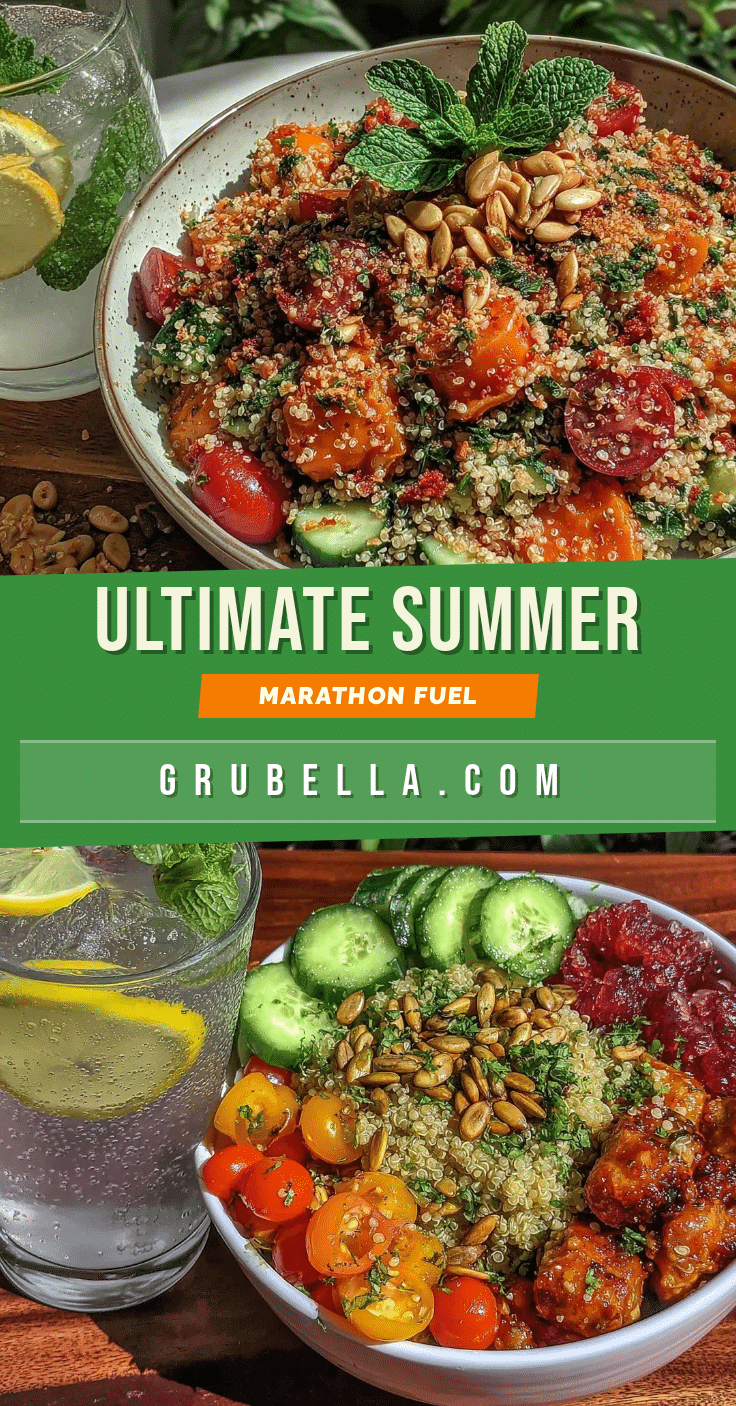
Healthy Marathon Training Nutrition Plan for Summer Heat

A practical and balanced nutrition plan designed to keep marathon runners fueled, hydrated, and energized during summer heat training with simple, wholesome ingredients and easy preparation.
- Prep Time: 15 minutes
- Cook Time: 40 minutes
- Total Time: 55 minutes plus overnight soaking
- Yield: 4 servings 1x
- Category: Nutrition Plan
- Cuisine: General / Sports Nutrition
Ingredients
- 2 cups natural coconut water
- Juice of 1 lemon or lime
- 1/4 teaspoon sea salt or Himalayan pink salt
- 1 tablespoon raw honey or maple syrup
- 1/2 cup rolled oats or quick oats (gluten-free if needed)
- 1/2 cup plain Greek yogurt or dairy-free coconut yogurt
- 1/2 mashed ripe banana
- 1 tablespoon chia seeds or flaxseeds
- Splash of almond milk (optional)
- Fresh berries (for topping)
- 1 medium sweet potato
- 1 teaspoon olive oil
- Pinch of salt
- Eggs (hard-boiled or scrambled)
- Almond butter or peanut butter
- Rice cakes or whole grain crackers
- Hummus
- Fresh cucumber and carrot sticks
- 1/2 cup mixed berries (for smoothie)
- Handful of spinach (for smoothie)
Instructions
- Make Your Electrolyte Drink: Combine 2 cups natural coconut water with juice of one lemon or lime, 1/4 teaspoon sea salt, and 1 tablespoon raw honey or maple syrup in a large water bottle or pitcher. Stir or shake well until honey dissolves. Store chilled.
- Prepare Overnight Oats: Mix 1/2 cup rolled oats, 1/2 cup Greek or coconut yogurt, 1/2 mashed banana, and 1 tablespoon chia seeds in a jar or bowl. Add almond milk if needed. Cover and refrigerate overnight. Top with fresh berries or nut butter before serving.
- Roast Sweet Potatoes: Preheat oven to 400°F. Peel and cube 1 medium sweet potato. Toss with 1 teaspoon olive oil and a pinch of salt. Spread on baking sheet and roast for about 30 minutes until tender. Cool and store in airtight container.
- Hard-Boil Eggs: Place eggs in pot, cover with cold water by 1 inch. Bring to boil, remove from heat, cover, and let sit 12 minutes. Drain, cool under cold water, peel, and refrigerate.
- Assemble Quick Snack Packs: Slice cucumber and carrots into sticks. Portion hummus into small containers. Combine rice cakes or crackers with almond or peanut butter in snack bags.
- Hydrate Throughout the Day: Sip homemade electrolyte drink or plain water every 15-20 minutes during runs or hot weather. Avoid sugary sports drinks.
- Post-Run Recovery Smoothie: Blend 1 cup coconut water, 1/2 cup Greek or coconut yogurt, 1/2 cup mixed berries, 1 tablespoon flaxseeds or chia seeds, and a handful of spinach. Drink immediately after running.
Notes
Adjust salt and sweetness in electrolyte drink to taste; prep overnight oats and roast sweet potatoes on Sunday for easy weekday meals; hydrate regularly before thirst; avoid heavy proteins pre-run; test nutrition strategies during training runs; store prepped items in airtight containers in refrigerator for up to 4 days; consume electrolyte drinks within 2 days.
Nutrition
- Serving Size: One serving equals a
- Calories: 35040
- Sugar: 15
- Sodium: 300
- Fat: 10
- Saturated Fat: 2
- Carbohydrates: 55
- Fiber: 7
- Protein: 15
Keywords: marathon training, summer heat, hydration, electrolyte drink, overnight oats, post-run smoothie, healthy snacks, endurance nutrition, gluten-free, vegan options