Love this? Save it for later!
Share the inspiration with your friends
“You know that moment when you open the lunchbox only to find a half-eaten sandwich and a sad apple slice?” That was my Monday morning, every single week, until I started crafting healthy diabetic school lunch ideas for blood sugar balance. Honestly, packing a lunch for a child with diabetes felt like juggling flaming torches while riding a unicycle. I wasn’t just dealing with picky tastes; I was trying to keep blood sugar steady throughout the school day without turning the meal into a science experiment.
It all kicked off one rainy Thursday morning when I realized my son was coming home with low energy and complaining of headaches. His usual lunch just wasn’t cutting it. I remember staring at the fridge, a little overwhelmed and more than a little clueless, trying to figure out how to make meals that tasted good, were kid-approved, and actually helped maintain his blood sugar. Maybe you’ve been there too—scrambling to find something better without hours to spare.
After a lot of trial, error, and a few messes (I won’t lie—once I forgot to pack an important ingredient), I finally found a groove. These healthy diabetic school lunch ideas for blood sugar balance became our everyday lifesavers. They’re easy to prepare, full of flavors kids love, and crafted to avoid the blood sugar spikes that make afternoons tough. Let me tell you, seeing my son come home happy and energized made every minute worth it. I’m excited to share these tips and recipes with you, so your lunch-packing routine can become a little less stressful and a lot more delicious.
Why You’ll Love This Recipe
Having packed hundreds of lunches over the years, I’ve learned what really works for kids managing diabetes. These healthy diabetic school lunch ideas for blood sugar balance aren’t just recipes—they’re practical, tested solutions that bring peace of mind to busy parents and smiles to kids’ faces.
- Quick & Easy: Most recipes come together in under 20 minutes, perfect for those hectic mornings or last-minute prep.
- Simple Ingredients: No need to hunt down specialty items—these lunches use pantry staples and fresh produce you can find at any grocery store.
- Perfect for School Days: Balanced meals that keep energy steady through classes, recess, and homework time.
- Crowd-Pleaser: These ideas get rave reviews from kids, teachers, and even the neighborhood friends who sneak a bite.
- Unbelievably Delicious: The mix of textures and flavors means no more boring sandwiches or sad salads.
What makes these recipes different? I’ve focused on balancing complex carbs with protein and healthy fats, while sneaking in fiber and vitamins that support steady blood sugar. One trick I swear by is swapping out refined grains for whole grains or legumes that digest slower and keep kids fuller, longer. Plus, these lunches are flexible—you can swap ingredients based on seasonal produce or what’s in your pantry.
Honestly, these lunches aren’t just about nutrition—they’re about giving your child confidence and joy at lunchtime. When your child enjoys their meal and feels good afterward, it’s a win for everyone.
What Ingredients You Will Need
This collection of healthy diabetic school lunch ideas for blood sugar balance relies on wholesome, accessible ingredients that work together to keep blood sugar stable and taste buds happy. Here’s a breakdown by category:
- Proteins: Skinless chicken breast (grilled or shredded), canned tuna in water, hard-boiled eggs, low-fat cottage cheese (I prefer Daisy brand for creaminess), plain Greek yogurt, natural peanut butter (no added sugar), and firm tofu.
- Whole Grains and Legumes: Quinoa, brown rice, whole wheat wraps, chickpeas (roasted or mashed), lentils, and whole grain bread (look for brands with at least 3 grams fiber per slice).
- Vegetables: Crunchy favorites like cucumber slices, cherry tomatoes, shredded carrots, bell pepper strips, spinach leaves, and steamed broccoli florets. Seasonal veggies like zucchini ribbons work great too.
- Fruits: Fresh berries (blueberries, strawberries), apple wedges (tossed in lemon juice to prevent browning), small oranges, and sliced pears. Avoid high-sugar canned fruits; fresh is best.
- Healthy Fats: Avocado slices, olives, a drizzle of olive oil for dressings, and small handfuls of nuts like almonds or walnuts (chopped finely if the school restricts whole nuts).
- Flavor Enhancers: Fresh herbs (basil, cilantro), lemon juice, cinnamon (great sprinkled on fruit), and a pinch of sea salt.
If you’re looking to swap out ingredients, use almond flour wraps instead of wheat for gluten-free needs, or coconut yogurt if dairy is off-limits. Frozen veggies can be a handy alternative when fresh isn’t available—just thaw and pat dry before packing.
Equipment Needed
Putting together these healthy diabetic school lunch ideas for blood sugar balance doesn’t require fancy gadgets. Here’s what I usually have on hand:
- A good set of airtight lunch containers—preferably BPA-free and leak-proof. I love the ones with compartments to keep foods separate.
- A sharp chef’s knife and cutting board for quick veggie prep.
- Mixing bowls for tossing salads or combining ingredients.
- Measuring cups and spoons to keep portions on point.
- A small cooler bag with ice packs, especially in warmer months, to keep perishable items fresh.
- Optional: a handheld spiralizer for quick veggie ribbons or a mini food processor to mash chickpeas into spreads.
If you don’t have a food processor, a fork works fine for mashing. And honestly, I sometimes skip the measuring cups and just eyeball it—though for blood sugar balance, consistency can really help. Budget-friendly containers from dollar stores can do the trick, just check that they seal well.
Preparation Method
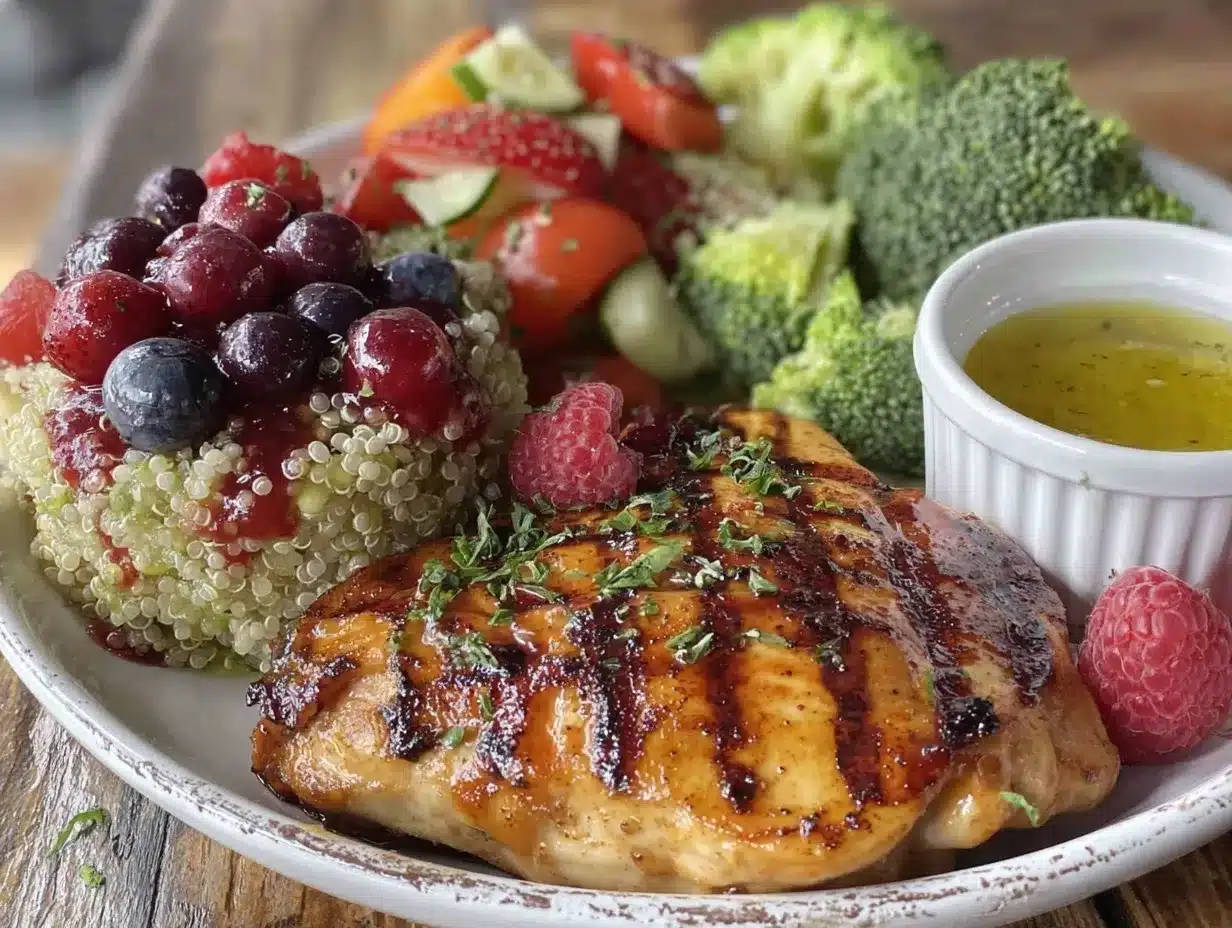
- Plan Your Menu: Spend 10 minutes the night before deciding which lunch ideas to pack for the week. This saves morning chaos.
- Cook Grains and Proteins in Bulk: Prepare quinoa, brown rice, or grilled chicken in batches and refrigerate. For example, cook 1 cup (185g) of quinoa dry, yielding about 3 cups (555g) cooked, enough for several lunches.
- Prep Fresh Veggies: Wash and slice cucumbers, bell peppers, and carrots. Store in airtight containers with a paper towel to absorb moisture and keep crisp.
- Make Spreads and Dips: Mash chickpeas with a little olive oil, lemon juice, and salt to create a quick hummus alternative. This takes about 5 minutes.
- Assemble Lunches: Portion proteins (3–4 oz / 85–113g), grains (about ½ cup / 90g cooked), and veggies/fruits (1 cup / 150g total) into containers. Add a small container of dip or dressing if desired.
- Pack Healthy Fats: Include avocado slices or a handful of nuts in a separate small container to add at lunchtime, avoiding sogginess.
- Label and Store: Use a marker to write the date on the lid. Store lunches in the fridge overnight for freshness.
- Morning Final Touch: Add any last-minute items like yogurt cups or fresh fruit and pack the lunchbox with an ice pack.
Watch for common pitfalls: avoid soggy sandwiches by keeping wet ingredients separate until lunchtime, and if using avocado, drizzle with lemon juice to prevent browning. The texture of grains should be fluffy, not mushy; if grains clump, fluff them with a fork before packing.
Cooking Tips & Techniques
When creating healthy diabetic school lunch ideas for blood sugar balance, timing and ingredient balance are everything. Here are some tips I picked up over the years:
- Keep Portions Consistent: Using measuring tools helps regulate carbohydrate intake, which is key for steady blood sugar.
- Mix Textures: Pair crunchy veggies with creamy dips or soft proteins—it keeps kids interested and satisfied.
- Prep Ahead: I learned the hard way that morning prep can be hectic. Batch cooking and washing veggies in advance saves sanity.
- Use Natural Sweeteners Sparingly: Fruits add natural sweetness, but balance them with fiber and protein to avoid sugar spikes.
- Watch for Hidden Sugars: Some store-bought dressings or yogurts sneak in sugar. Always check labels or make your own with lemon juice and herbs.
- Experiment With Flavors: A pinch of cinnamon on apples or a sprinkle of smoked paprika on chickpeas adds excitement without extra sugar.
I once tried skipping the protein in a lunchbox—huge mistake. The afternoon crash was real. Now, I double down on protein, and the difference is night and day.
Variations & Adaptations
These healthy diabetic school lunch ideas for blood sugar balance are flexible enough to fit different tastes and dietary needs. Here are some ways to switch things up:
- Low-Carb Option: Replace grains with extra veggies or cauliflower rice to reduce carbs while boosting fiber.
- Plant-Based Variation: Use tofu, lentils, or chickpea salad instead of animal proteins for vegetarian or vegan preferences.
- Seasonal Swaps: In summer, swap carrots for fresh snap peas or add seasonal berries instead of apples.
- Flavor Twists: Add a dash of curry powder or Italian herbs to dressings to keep lunches interesting.
- Allergen-Friendly: For nut allergies, substitute sunflower seed butter for peanut butter and check all labels carefully.
I remember trying a Mediterranean twist with olives and feta once—it was a hit and brought some welcome variety to our usual rotation.
Serving & Storage Suggestions
These lunches are best served chilled or at room temperature, depending on the item. For example, wraps and salads taste great cold, while grilled chicken or rice dishes can be warmed slightly before packing if your child’s school allows.
Pair the lunch with a water bottle or unsweetened herbal tea to keep hydration balanced. A small side of fresh fruit or crunchy veggies rounds out the meal perfectly.
Store lunches in the refrigerator if preparing more than a day ahead, ideally no longer than 3 days for freshness. Freeze any cooked grains or proteins in portions to thaw overnight for quick prep.
Reheating can be done in a microwave-safe container if allowed; just be sure to stir or fluff grains before serving. Flavors often deepen after a day or two, so making lunches a day ahead can actually improve taste.
Nutritional Information & Benefits
Each healthy diabetic school lunch idea is designed to provide balanced nutrition supporting blood sugar control. Here’s a rough estimate per serving:
| Nutrient | Amount |
|---|---|
| Calories | 350–450 kcal |
| Carbohydrates | 30–40 g (mostly complex carbs & fiber) |
| Protein | 20–25 g |
| Fat | 10–15 g (healthy fats) |
| Fiber | 6–8 g |
Key ingredients like whole grains, lean protein, and fiber-rich veggies slow digestion and help maintain steady blood sugar. Avocado and nuts provide heart-healthy fats that support overall wellness. These lunches are gluten-friendly when using whole grain gluten-free options and low in added sugars, making them suitable for many dietary plans.
Conclusion
These healthy diabetic school lunch ideas for blood sugar balance have become a cornerstone of our daily routine. They’re practical, kid-approved, and carefully balanced to help maintain steady energy throughout the school day. I encourage you to customize these ideas to your child’s tastes and needs—you might find a new favorite just waiting to be discovered.
Honestly, knowing that my child’s lunch is both nutritious and enjoyable gives me peace of mind every morning. I hope sharing these recipes and tips makes your lunch packing a little easier and more fun. I’d love to hear how you adapt these ideas for your family, so don’t hesitate to leave a comment or share your own tips!
Here’s to happy, healthy lunches that bring smiles and steady energy to every school day.
FAQs
What are some easy protein options for diabetic school lunches?
Lean proteins like grilled chicken, hard-boiled eggs, low-fat cottage cheese, and plant-based options like chickpeas or tofu work great. They help keep blood sugar stable and keep kids full.
Can I prepare these lunches ahead of time?
Yes! Many ingredients like cooked grains and proteins can be batch-prepped and stored in the fridge for up to 3 days. Just assemble the lunch the night before or morning of school.
How can I make lunches more appealing to picky eaters?
Mix textures and flavors—combine crunchy veggies with creamy dips or add a little natural sweetness like berries. Involve your child in choosing ingredients to boost excitement.
Are these lunches suitable for gluten-free diets?
Absolutely. Swap whole wheat bread or wraps for gluten-free alternatives like almond flour wraps or rice-based options to keep lunches safe and balanced.
What should I avoid when packing diabetic school lunches?
Avoid high-sugar snacks and drinks, refined carbs like white bread, and overly processed foods. Stick to whole foods that provide fiber, protein, and healthy fats for balanced blood sugar.
Pin This Recipe!

Healthy Diabetic School Lunch Ideas for Blood Sugar Balance

A collection of easy, kid-approved school lunch ideas designed to maintain steady blood sugar levels through balanced meals featuring proteins, whole grains, vegetables, fruits, and healthy fats.
- Prep Time: 15 minutes
- Cook Time: 20 minutes
- Total Time: 35 minutes
- Yield: 1 serving
- Category: Main Course
- Cuisine: American
Ingredients
- Skinless chicken breast (grilled or shredded)
- Canned tuna in water
- Hard-boiled eggs
- Low-fat cottage cheese
- Plain Greek yogurt
- Natural peanut butter (no added sugar)
- Firm tofu
- Quinoa
- Brown rice
- Whole wheat wraps
- Chickpeas (roasted or mashed)
- Lentils
- Whole grain bread (with at least 3 grams fiber per slice)
- Cucumber slices
- Cherry tomatoes
- Shredded carrots
- Bell pepper strips
- Spinach leaves
- Steamed broccoli florets
- Zucchini ribbons
- Fresh berries (blueberries, strawberries)
- Apple wedges (tossed in lemon juice)
- Small oranges
- Sliced pears
- Avocado slices
- Olives
- Olive oil
- Almonds or walnuts (chopped finely)
- Fresh herbs (basil, cilantro)
- Lemon juice
- Cinnamon
- Sea salt
Instructions
- Plan your menu by spending 10 minutes the night before deciding which lunch ideas to pack for the week.
- Cook grains and proteins in bulk, such as 1 cup dry quinoa yielding about 3 cups cooked, enough for several lunches.
- Prep fresh veggies by washing and slicing cucumbers, bell peppers, and carrots; store in airtight containers with a paper towel to keep crisp.
- Make spreads and dips by mashing chickpeas with olive oil, lemon juice, and salt to create a quick hummus alternative.
- Assemble lunches by portioning proteins (3–4 oz), grains (about ½ cup cooked), and veggies/fruits (1 cup total) into containers; add a small container of dip or dressing if desired.
- Pack healthy fats like avocado slices or a handful of nuts in a separate small container to avoid sogginess.
- Label and store lunches in the fridge overnight for freshness.
- Add any last-minute items like yogurt cups or fresh fruit in the morning and pack the lunchbox with an ice pack.
Notes
Keep portions consistent using measuring tools to regulate carbohydrate intake. Mix textures to keep kids interested. Prep ahead to save time. Use natural sweeteners sparingly and watch for hidden sugars in store-bought dressings or yogurts. Avoid soggy sandwiches by keeping wet ingredients separate until lunchtime. Drizzle avocado with lemon juice to prevent browning. Fluff grains with a fork before packing if clumped.
Nutrition
- Serving Size: One lunchbox serving
- Calories: 350450
- Sugar: 58
- Sodium: 300400
- Fat: 1015
- Saturated Fat: 23
- Carbohydrates: 3040
- Fiber: 68
- Protein: 2025
Keywords: diabetic lunch, school lunch ideas, blood sugar balance, healthy lunch, kid-friendly, diabetic recipes, balanced meals, low sugar lunch