Love this? Save it for later!
Share the inspiration with your friends
“You know that moment when a simple conversation at a neighborhood coffee shop changes everything?” That’s exactly how my journey with this healthy diabetic meal plan began. Last fall, while waiting for my latte, I overheard an older gentleman chatting with the barista about managing his blood sugar. What caught my attention wasn’t just his careful choice of words, but the recipes he casually shared that helped him stay balanced without sacrificing flavor or satisfaction. I scribbled his tips on a napkin, almost forgetting it amidst the morning rush, but that napkin later became the blueprint for this meal plan.
Honestly, I wasn’t looking for another “diet” or strict regimen—just practical, tasty meals that wouldn’t send my glucose levels on a rollercoaster. I tried these recipes through chilly weekends and busy weekdays, sometimes burning a pan or forgetting an ingredient (hey, it’s real life). Yet, each meal felt like a little win, a gentle nudge towards better health without feeling like a punishment. Maybe you’ve been there, staring at confusing labels or wondering if “healthy” means bland or complicated.
This healthy diabetic meal plan for effective blood sugar control stuck with me because it’s doable, nourishing, and honestly comforting. It’s not about deprivation; it’s about balance, flavor, and a bit of kitchen creativity that anyone can manage. Whether you’re newly diagnosed, supporting a loved one, or just want to eat smarter, these seven easy recipes will help you take control in the tastiest way possible.
Why You’ll Love This Recipe
From my experience testing and tweaking this meal plan, I can confidently say it hits all the right notes for anyone focused on managing blood sugar without giving up on taste or convenience. Here’s why you’ll want to keep this plan close:
- Quick & Easy: Each recipe comes together in under 30 minutes, perfect for busy days or last-minute meal prep.
- Simple Ingredients: No need for specialty stores—most ingredients are everyday pantry staples or easy to find at your local grocery.
- Perfect for Any Occasion: Great for weekday lunches, cozy dinners, or even a casual weekend brunch with friends.
- Crowd-Pleaser: Family-approved and friendly for guests who appreciate wholesome, flavorful meals.
- Unbelievably Delicious: Thoughtful seasoning and balanced macros make every bite satisfying and comforting.
What sets this meal plan apart is the focus on real-food ingredients paired with simple cooking techniques that keep blood sugar steady. For example, swapping refined carbs with fiber-rich veggies and including lean proteins creates a natural slow-release energy effect. Plus, I’ve included tips like blending cottage cheese into dressings for creaminess without excess fat, which adds a special twist to the usual. Honestly, this isn’t just another diabetic meal plan. It’s a way to enjoy food that supports your health goals while feeling genuinely good to eat.
What Ingredients You Will Need
This meal plan uses wholesome, accessible ingredients that work together to balance flavors and blood sugar impact. Most are pantry-friendly and easy to swap where needed.
For the Protein Base
- Skinless chicken breasts (fresh or frozen; lean and versatile)
- Firm tofu (for a plant-based protein option, press well before cooking)
- Eggs (large, free-range preferred for best flavor)
- Canned chickpeas (rinsed and drained; great for fiber and protein)
For the Vegetables and Fiber
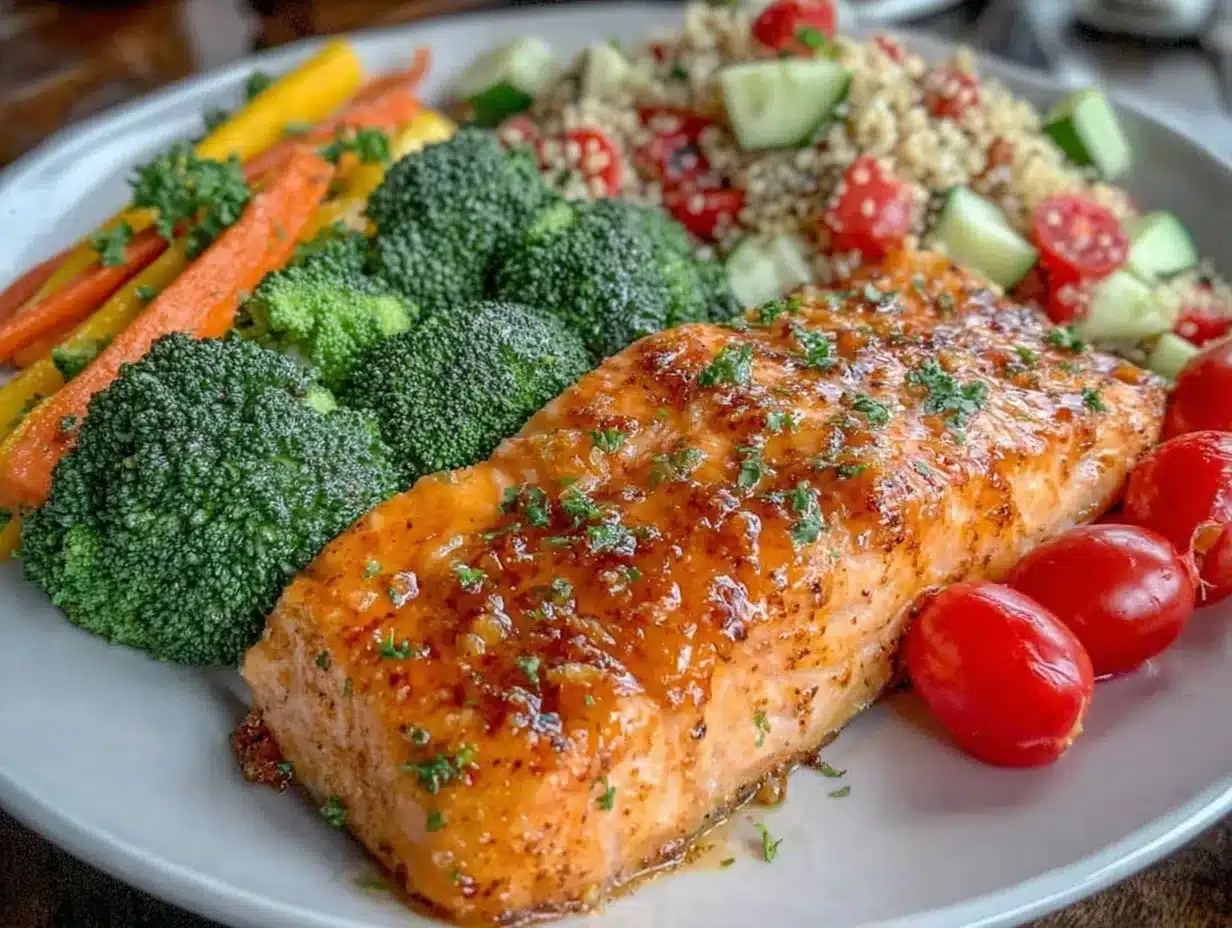
- Spinach (fresh or frozen; packed with nutrients)
- Broccoli florets (fresh or frozen; adds crunch and fiber)
- Zucchini (sliced or spiralized for pasta alternatives)
- Bell peppers (red or yellow for sweetness and color)
- Cherry tomatoes (adds freshness and natural sweetness)
For Healthy Fats and Flavor
- Extra virgin olive oil (cold-pressed recommended for flavor)
- Avocados (ripe; creamy texture and heart-healthy fats)
- Chopped nuts (walnuts or almonds; for crunch and omega-3s)
- Fresh herbs (parsley, cilantro, basil; brightens dishes)
For Seasoning and Extras
- Garlic cloves (minced; adds aroma and depth)
- Fresh ginger (grated; optional but adds zing)
- Lemon juice (freshly squeezed for brightness)
- Low-sodium soy sauce or tamari (for umami without extra salt)
- Ground cinnamon (great for balancing blood sugar in certain recipes)
Whenever possible, I recommend choosing organic or locally sourced produce to maximize freshness and nutrient content. For dairy, plain Greek yogurt works wonderfully in dressings and sauces, but you can swap for coconut yogurt if avoiding dairy. And if you need gluten-free options, swapping regular grains with quinoa or brown rice fits perfectly with this plan.
Equipment Needed
Most of the recipes in this healthy diabetic meal plan require basic kitchen tools you probably already own, but here’s a quick list to keep handy:
- A good non-stick skillet or sauté pan (I love using my 10-inch ceramic pan for even heat and easy cleanup)
- Sharp chef’s knife (makes chopping veggies way less tedious)
- Cutting board (preferably one for veggies and one for proteins to avoid cross-contamination)
- Measuring cups and spoons (for accuracy, especially with spices and oils)
- Mixing bowls (for tossing salads or marinating proteins)
- Blender or food processor (optional but handy for sauces and dressings)
If you don’t have a food processor, a good whisk and a sturdy fork will often do the trick. For budget-friendly options, stainless steel knives and pans from trusted brands like Cuisinart or T-fal offer reliability without breaking the bank. Remember to keep your knives sharp — dull blades slow you down and make prep frustrating.
Preparation Method
- Plan your meals: Spend 10-15 minutes reviewing the recipes and prepping a grocery list. This saves time during the busy week.
- Prep vegetables early: Wash, chop, and store veggies like broccoli, bell peppers, and spinach in airtight containers. This step takes about 15-20 minutes but cuts daily cooking time in half.
- Cook proteins in batches: Grill or bake chicken breasts and tofu seasoned with garlic and lemon. Let them cool and store in the fridge for up to 4 days. Cooking takes roughly 20-25 minutes per batch.
- Make dressings and sauces: Blend olive oil, lemon juice, garlic, and Greek yogurt for creamy, tangy dressings. These keep well in the fridge for about 5 days.
- Assemble meals: Combine prepped ingredients into bowls, salads, or wraps. Layering textures—like crunchy nuts on soft avocado—makes meals more satisfying.
- Cook grains or legumes as needed: Quinoa and brown rice take around 20 minutes; canned chickpeas just need rinsing. If you prefer, cook grains in advance and refrigerate.
- Store leftovers properly: Use airtight containers and cool food before refrigerating to maintain freshness and safety.
Keep an eye on your proteins while cooking; chicken should reach an internal temperature of 165°F (74°C). If you notice any bitterness or mushiness in veggies, it might be a sign of overcooking—aim for bright colors and a slight crunch. Trust your senses and don’t rush; the aroma of garlic and sizzling olive oil will tell you when things are just right.
Cooking Tips & Techniques
Getting consistent results with this healthy diabetic meal plan means paying attention to a few key details. Here are some tips I picked up along the way:
- Use low to medium heat for sautéing: This keeps vegetables crisp and proteins tender, avoiding dryness or burnt edges.
- Don’t skip resting time: Let cooked meats rest for 5-10 minutes before slicing to retain juices and flavor.
- Batch prep wisely: While chopping veggies in bulk saves time, avoid cutting delicate greens too early to prevent wilting.
- Season gradually: Add salt and spices little by little, tasting as you go to avoid over-seasoning.
- Beware of hidden sugars: When buying canned or packaged ingredients, check labels for added sugars or sodium.
One time, I overcooked my chicken breasts trying to multitask and ended up with dry meat—lesson learned! Now, I use a meat thermometer and set timers to keep everything on track. Also, layering flavors by adding fresh herbs at the end really brings dishes alive. Don’t forget a splash of lemon juice just before serving—it brightens and balances the whole plate.
Variations & Adaptations
This meal plan is flexible, so you can tailor it to your preferences or dietary needs without losing the blood sugar benefits:
- Plant-Based: Swap chicken with lentils or tempeh for a vegan-friendly protein boost. Use coconut yogurt instead of dairy-based dressings.
- Seasonal: Replace summer veggies with roasted root vegetables in colder months, like carrots and parsnips, which still have a low glycemic index.
- Spice It Up: Add a dash of smoked paprika, turmeric, or cumin to change flavor profiles and add anti-inflammatory benefits.
- Low-Carb: Use cauliflower rice instead of grains to reduce carbohydrates further.
- Allergen-Friendly: For nut allergies, substitute chopped seeds like pumpkin or sunflower seeds.
My personal favorite variation is a Mediterranean twist—adding olives, feta cheese (in moderation), and fresh oregano. It reminds me of a weekend trip to Greece and keeps the meals exciting.
Serving & Storage Suggestions
These recipes taste best served fresh and slightly warm, but they also keep well for easy lunches or dinners. Consider serving your meals with a side of leafy greens dressed lightly with olive oil and lemon for extra fiber.
For storage, refrigerate leftovers in airtight containers and consume within 3-4 days. Most cooked proteins and veggies freeze well for up to 2 months—just thaw overnight in the fridge before reheating gently on the stovetop or microwave.
Reheating tips: warm your meals slowly to avoid drying out proteins. Adding a drizzle of water or broth before microwaving helps keep moisture. Flavors often deepen overnight, so leftovers can taste even better the next day.
Nutritional Information & Benefits
Each recipe in this healthy diabetic meal plan is designed to support steady blood sugar levels with balanced macros. Typically, a meal provides:
- Calories: 350-450 per serving
- Protein: 25-35 grams
- Carbohydrates: 30-40 grams (mostly from fiber-rich vegetables and whole grains)
- Fats: 10-15 grams, focusing on healthy sources like olive oil and nuts
Key ingredients like leafy greens, legumes, and lean proteins help slow glucose absorption, while spices like cinnamon may improve insulin sensitivity. This plan is naturally gluten-free if you choose the right grains and dairy-free if you swap yogurts accordingly. Be mindful of nut allergies and adjust as needed.
From a wellness perspective, these meals encourage nutrient density without excess sugars or processed ingredients, making them a smart choice for anyone aiming for better blood sugar control and overall health.
Conclusion
This healthy diabetic meal plan offers practical, tasty choices that fit into your everyday life and support balanced blood sugar naturally. It’s not about strict rules or bland food—it’s about enjoying meals that nourish your body and satisfy your palate. Feel free to customize recipes to your taste, seasonality, and dietary needs. I love how this plan turned simple ingredients into something special without fuss or stress.
Give these recipes a try and share your adaptations or favorite combos—I’m always excited to hear how you make them your own. Remember, managing blood sugar doesn’t have to be a chore; it can be a delicious adventure where you feel in control and inspired in the kitchen.
Happy cooking and healthy eating!
FAQs
What makes this meal plan suitable for diabetics?
The meal plan focuses on low glycemic index foods, balanced macros, and fiber-rich ingredients that help prevent blood sugar spikes.
Can I prepare these recipes in advance?
Yes, prepping veggies and proteins in advance saves time and keeps you on track with healthy meals throughout the week.
Are these recipes gluten-free?
Most recipes are naturally gluten-free or can be adapted by choosing gluten-free grains like quinoa or brown rice.
How can I adjust the recipes if I have a nut allergy?
Simply substitute nuts with seeds such as pumpkin or sunflower seeds to maintain crunch and healthy fats.
Is it necessary to use fresh herbs, or can I use dried ones?
Fresh herbs add brightness and texture, but dried herbs can be used in a pinch—just use about one-third the amount of dried compared to fresh.
Pin This Recipe!

Healthy Diabetic Meal Plan 7 Easy Recipes for Better Blood Sugar Control

A practical and tasty meal plan designed to help manage blood sugar levels with balanced macros, fiber-rich ingredients, and simple cooking techniques. Perfect for diabetics or anyone seeking better blood sugar control without sacrificing flavor.
- Prep Time: 15 minutes
- Cook Time: 25 minutes
- Total Time: 40 minutes
- Yield: 4 servings
- Category: Main Course
- Cuisine: American
Ingredients
- Skinless chicken breasts (fresh or frozen; lean and versatile)
- Firm tofu (press well before cooking for plant-based protein option)
- Eggs (large, free-range preferred)
- Canned chickpeas (rinsed and drained)
- Spinach (fresh or frozen)
- Broccoli florets (fresh or frozen)
- Zucchini (sliced or spiralized)
- Bell peppers (red or yellow)
- Cherry tomatoes
- Extra virgin olive oil (cold-pressed recommended)
- Avocados (ripe)
- Chopped nuts (walnuts or almonds)
- Fresh herbs (parsley, cilantro, basil)
- Garlic cloves (minced)
- Fresh ginger (grated, optional)
- Lemon juice (freshly squeezed)
- Low-sodium soy sauce or tamari
- Ground cinnamon
- Plain Greek yogurt (or coconut yogurt for dairy-free)
- Quinoa or brown rice (for gluten-free grain options)
Instructions
- Plan your meals by spending 10-15 minutes reviewing recipes and prepping a grocery list.
- Prep vegetables early by washing, chopping, and storing broccoli, bell peppers, spinach in airtight containers (15-20 minutes).
- Cook proteins in batches by grilling or baking chicken breasts and tofu seasoned with garlic and lemon; cooking takes 20-25 minutes per batch. Let cool and store in fridge up to 4 days.
- Make dressings and sauces by blending olive oil, lemon juice, garlic, and Greek yogurt; store in fridge for about 5 days.
- Assemble meals by combining prepped ingredients into bowls, salads, or wraps, layering textures like crunchy nuts on soft avocado.
- Cook grains or legumes as needed: quinoa and brown rice take about 20 minutes; canned chickpeas just need rinsing.
- Store leftovers properly in airtight containers and cool food before refrigerating to maintain freshness and safety.
Notes
Use low to medium heat for sautéing to keep vegetables crisp and proteins tender. Let cooked meats rest 5-10 minutes before slicing. Batch prep veggies but avoid cutting delicate greens too early. Season gradually and taste as you go. Check labels for hidden sugars or sodium in canned ingredients. Use a meat thermometer to ensure chicken reaches 165°F (74°C). Add fresh herbs and a splash of lemon juice before serving to brighten flavors. For nut allergies, substitute nuts with seeds like pumpkin or sunflower seeds. Store leftovers in airtight containers and consume within 3-4 days; freeze for up to 2 months.
Nutrition
- Serving Size: 1 meal serving (appr
- Calories: 350450
- Sugar: 57
- Fat: 1015
- Saturated Fat: 23
- Carbohydrates: 3040
- Fiber: 710
- Protein: 2535
Keywords: diabetic meal plan, blood sugar control, healthy recipes, low glycemic, diabetic-friendly, easy recipes, balanced macros, gluten-free, plant-based options