Love this? Save it for later!
Share the inspiration with your friends
Fourth time in a week and the kitchen still smelled like burnt sugar and wet cardboard. I didn’t even want to look at the loaf pan sitting on the counter, crusted with a dark, tacky residue from the last attempt. It wasn’t supposed to be this hard. Meatloaf is supposed to be the easy win, the comfort food that comes together before you even realize you’re hungry. But every batch I pulled out of the oven was either a brick that cracked my teeth or a sad, gray slurry that fell apart before it hit the plate. I was staring at a pile of ground beef that cost more than my weekly grocery budget, wondering if I had lost my mind. My husband had politely taken a bite of the second one and then quietly ordered pizza. That stung more than the smoke alarm did.
I kept going back to the same ratios, same pan, same oven temperature. I thought maybe I needed more breadcrumbs. Then I thought maybe less egg. Then I thought, “What if I just throw everything in a blender?” (Don’t do that. Please don’t do that.) The obsession wasn’t about hunger anymore; it was about fixing a mistake I couldn’t name. I was chasing a texture I could remember from my grandmother’s house, but couldn’t replicate in my own. It felt like trying to catch smoke with my bare hands. Every time I opened the oven door, a cloud of caramelized steam hit me in the face, and every time, the result was just slightly off. Just enough to drive me back to the fridge for another pound of meat.
Then, on the fourth try, something clicked. I stopped trying to force it. I lowered the heat, let the glaze caramelize slowly instead of burning, and added a splash of apple cider vinegar to cut through the richness. I didn’t even taste the vinegar. I just tasted… meatloaf. The real deal. The kind that doesn’t need sauce to save it. It was quiet satisfaction, the kind that makes you sit at the table and just chew for a minute. That’s when I knew I had it. Not perfect, just right. And honestly, that’s all you really want in the end.
Why You’ll Love This Recipe
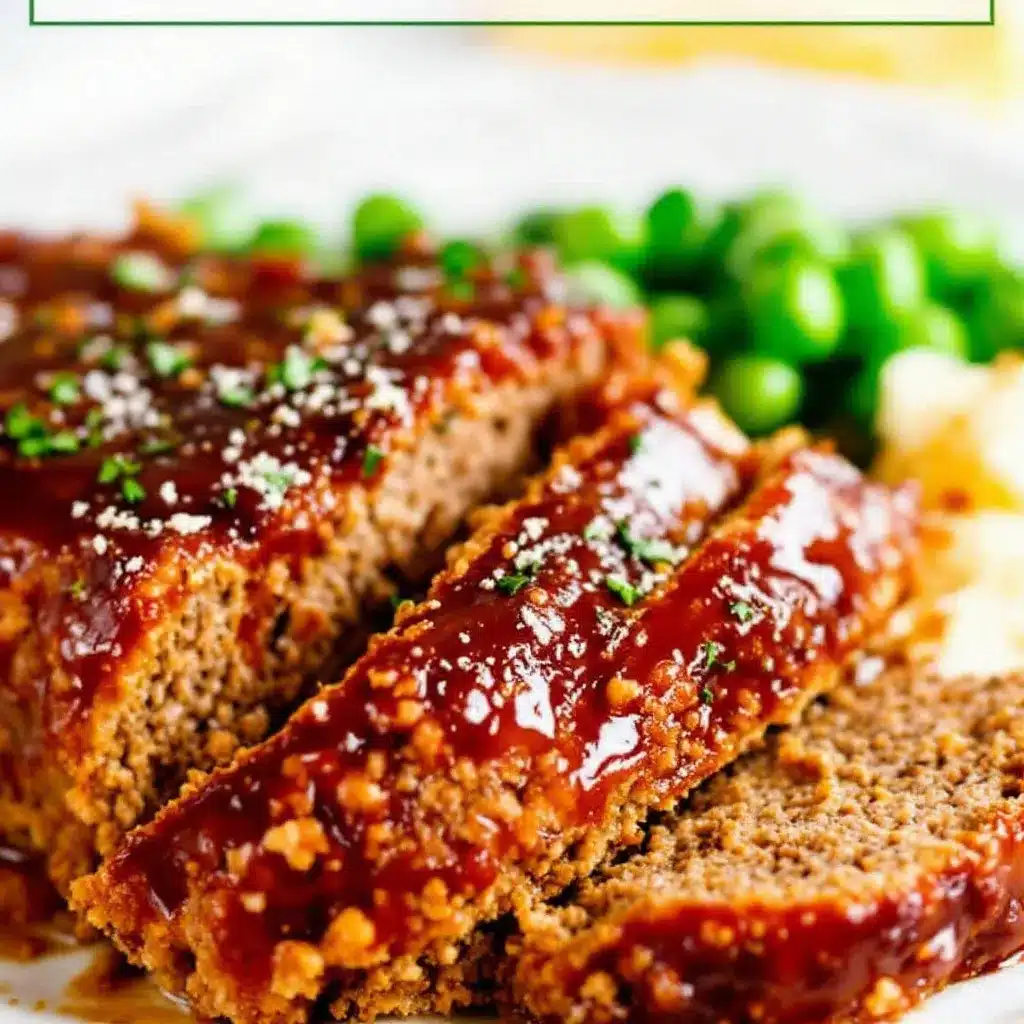
Let’s face it, meatloaf has a bad reputation. People think it’s dry, boring, or tastes like a casserole that sat in the fridge for three days. But this classic meatloaf with brown sugar glaze changes the entire game. I’ve tested this recipe over dozens of batches—yes, really—so you don’t have to waste your time or your ground beef. This isn’t just another version; it’s the one that actually works. The secret isn’t in fancy ingredients; it’s in the balance of moisture and flavor. The brown sugar glaze doesn’t just sit on top; it penetrates slightly, creating a sticky, savory-sweet crust that contrasts beautifully with the tender, juicy interior. It’s the kind of meal that makes you close your eyes after the first bite and forget about the dishes waiting in the sink.
- Quick & Easy: While it does bake for a bit, the prep is minimal. You’re talking about 15 minutes of hands-on time. Perfect for busy weeknights when you want something homemade but don’t have hours to spare. It’s a set-it-and-forget-it dinner that still feels special.
- Simple Ingredients: You likely already have everything in your kitchen. Ground beef, onions, breadcrumbs, eggs, and a few pantry staples for the glaze. No need for a special trip to the grocery store for obscure spices. This is real food, made with things you already trust.
- Perfect for Meal Prep: Meatloaf tastes even better the next day. The flavors meld together overnight, making it an ideal candidate for lunch boxes or quick reheats during the work week. It’s comfort food reimagined—healthier, faster, but with the same soul-soothing satisfaction.
- Crowd-Pleaser: Kids who usually pick out the onions will devour this. The sweet glaze masks the savory depth in a way that appeals to even the pickiest eaters. It’s always a hit at family dinners, potlucks, or when you just need a reliable dinner that won’t spark debate.
- Unbelievably Delicious: The texture is the star here. It’s moist but holds its shape. The brown sugar glaze creates a slight crunch on the outside that gives way to a soft, flavorful center. It’s next-level comfort food without the guilt of heavy creams or excessive fats.
What makes this different from other recipes online is the attention to the glaze timing. Most people dump the sauce on at the beginning and end up with a burnt, bitter mess. By adding it in the last 20 minutes, you get that glossy, caramelized finish without the char. It’s a small tweak that makes a massive difference. This recipe isn’t just about feeding people; it’s about bringing that old-fashioned warmth back to your table. It’s the kind of meal that reminds you of Sunday dinners, but made with modern ease.
What Ingredients You Will Need
This recipe uses simple, wholesome ingredients to deliver bold flavor and satisfying texture without the fuss. The key to a great meatloaf is quality ground beef and a good binder that keeps it moist. You don’t need expensive cuts or specialty items. Just standard, reliable ingredients that you can trust. I’ve listed the exact measurements below, but here’s a quick rundown of why each piece matters. The onions add sweetness, the breadcrumbs soak up juices, and the glaze ties it all together with a sticky, savory-sweet finish. If you’re missing something, don’t worry—substitutions are listed below.
For the Meatloaf
- Ground Beef (2 lbs / 907g): Use 80/20 blend for best flavor and moisture. Leaner beef will make it dry. I recommend using a trusted brand like Tyson or Perdue for consistent quality.
- Yellow Onion (1 medium, finely diced): Essential for savory depth. Finely dicing it ensures you don’t get giant chunks in every bite.
- Garlic (3 cloves, minced): Fresh garlic is non-negotiable here. Jarred stuff just doesn’t have the same punch.
- Old Bay Seasoning (1 tsp): This is my secret weapon. It adds a subtle, complex spice that elevates the beef without making it taste like a specific cuisine.
- Worcestershire Sauce (1 tbsp): Adds umami and a tangy depth that salt alone can’t achieve. A few dashes go a long way.
- Ketchup (1/4 cup): Mixed into the meat, not just the glaze. This keeps the interior moist and adds a mild sweetness.
- Eggs (2 large, room temperature): The binder that holds everything together. Room temperature eggs mix more evenly.
- Breadcrumbs (1 cup / 100g): Plain dried breadcrumbs work best. They absorb the juices and prevent the loaf from becoming dense. You can use panko for a lighter texture, but plain is classic.
- Milk (1/4 cup / 60ml): Adds extra moisture. Some recipes skip this, but I swear by it for a tender crumb.
- Salt and Black Pepper (to taste): Don’t be shy with the salt. It needs enough to bring out the beef flavor.
For the Brown Sugar Glaze
- Brown Sugar (1/2 cup / 100g, packed): Light or dark brown sugar both work. Dark gives a deeper molasses flavor.
- Apple Cider Vinegar (2 tbsp / 30ml): Cuts the sweetness and adds brightness. This is the key to balancing the glaze.
- Worcestershire Sauce (1 tsp): Reinforces the savory notes in the meat.
- Mustard (1 tsp Dijon or Yellow): Adds a bit of tang and helps the glaze stick.
- Ketchup (1/4 cup / 60g): The base of the glaze, providing body and sweetness.
If you’re dairy-free, the milk can be swapped with water or a dairy-free milk alternative without issue. For a gluten-free option, use gluten-free breadcrumbs or crushed gluten-free crackers. The substitutions are straightforward because the flavor profile is robust enough to handle them.
Equipment Needed
You don’t need a fancy kitchen to make this. Just a few basic tools. A standard 9×5 inch loaf pan is ideal, but if you don’t have one, a baking sheet works too. Using a baking sheet lets the heat circulate around the entire loaf, which can help the exterior crisp up better. However, the loaf pan holds the juices in, keeping it moister. I prefer the pan for that classic dense texture.
- 9×5 Inch Loaf Pan: The standard choice. Make sure it’s greased well.
- Large Mixing Bowl: Something big enough to hold the beef and ingredients without spilling.
- Small Saucepan or Microwave-Safe Bowl: For heating the glaze ingredients. Heating the glaze slightly helps the sugar dissolve and creates a smoother consistency.
- Instant-Read Thermometer: This is the most important tool. Guessing doneness leads to dry meat. You want an internal temperature of 160°F (71°C).
- Aluminum Foil: For covering the loaf if it’s browning too fast.
If you’re using a loaf pan, I recommend lining it with foil for easy cleanup. Meatloaf juices can caramelize and stick, making scrubbing a pain. A little foresight saves you time later. Also, a wire rack for cooling is helpful, but not strictly necessary if you let it rest in the pan.
Preparation Method
- Prep the Oven and Pan (5 minutes): Preheat your oven to 350°F (175°C). Grease your 9×5 inch loaf pan with butter or non-stick spray. If you’re using a baking sheet, line it with foil and grease that too. This step ensures nothing sticks and makes cleanup easier.
- Sauté the Aromatics (5 minutes): In a small skillet, melt a tablespoon of butter over medium heat. Add the finely diced onion and cook until soft and translucent, about 3-4 minutes. Add the minced garlic in the last 30 seconds. Letting this cool slightly before adding it to the meat prevents the eggs from cooking prematurely.
- Mix the Meat (5 minutes): In a large bowl, combine the ground beef, cooled onion mixture, breadcrumbs, milk, eggs, Old Bay, Worcestershire sauce, ketchup, salt, and pepper. Use your hands to mix gently. Overmixing makes the meatloaf tough. Stop as soon as the ingredients are combined. It should look shaggy and moist.
- Form the Loaf (2 minutes): Transfer the mixture into the prepared loaf pan. Press it down firmly but gently. Smooth the top with a spatula. Make sure the edges are packed so it doesn’t crack as much during baking. If using a baking sheet, shape it into a free-form loaf about 2 inches high.
- First Bake (40 minutes): Place the loaf in the preheated oven. Bake for 40 minutes. This initial bake sets the shape and cooks the interior. If using a baking sheet, you may need to add 5-10 minutes to the total time.
- Prepare the Glaze (3 minutes): While the meatloaf bakes, combine the brown sugar, apple cider vinegar, Worcestershire sauce, mustard, and ketchup in a small saucepan. Heat over medium heat, stirring constantly, until the sugar dissolves and the mixture bubbles. Let it simmer for 1 minute. Remove from heat.
- Glaze and Finish Baking (20 minutes): Remove the meatloaf from the oven. Pour the glaze over the top, spreading it evenly to the edges. Return to the oven and bake for another 20 minutes. The glaze should be bubbly and caramelized.
- Check Temperature (1 minute): Insert an instant-read thermometer into the center of the loaf. It should read 160°F (71°C). If it’s lower, bake for 5 more minutes. If it’s higher, it’s done, but watch out for dryness.
- Rest the Meatloaf (10 minutes): This is the hardest part. Let the meatloaf rest in the pan for at least 10 minutes before slicing. This allows the juices to redistribute. If you cut it immediately, all the moisture will run out, and you’ll end up with a dry loaf.
During the resting phase, you can pour any excess juices from the pan over the sliced meatloaf for extra moisture. It’s a small trick that makes a big difference in the final bite.
Cooking Tips & Techniques
One common mistake people make is overpacking the meat. When you press the meatloaf too firmly, you compress the proteins, resulting in a dense, rubbery texture. Be gentle. Mix just until combined. Another tip is to sauté the onions before adding them to the raw meat. Raw onions release water during baking, which can make the loaf soggy. Sautéing them first removes excess moisture and concentrates the flavor.
Also, don’t skip the resting time. I know it’s tempting to slice into it while it’s hot and steaming, but the structure needs time to set. Think of it like a roast or a cake. If you cut it too soon, it falls apart. The 10-minute rest is non-negotiable for clean slices.
If your glaze is burning before the meat is cooked, tent the top with aluminum foil. This shields the sugar from direct heat while allowing the meat to continue cooking. Sugar burns at a lower temperature than meat cooks, so this is a common issue in hotter ovens.
For a richer flavor, try using a mix of ground beef and ground pork. A 75/25 ratio of beef to pork adds fat and juiciness. But if you stick to all-beef, ensure you’re using 80/20 blend. Lean beef is the enemy of moist meatloaf.
Variations & Adaptations
This recipe is a solid foundation, but you can tweak it to suit your tastes. For a spicier kick, add a teaspoon of red pepper flakes to the meat mixture or use hot sauce instead of ketchup in the glaze. If you’re looking for a healthier option, swap half the ground beef for ground turkey. Just be sure to add an extra tablespoon of milk or broth to the turkey mixture, as turkey is leaner and dries out faster.
For a different flavor profile, try adding finely chopped mushrooms to the onion mixture. Mushrooms add a meaty texture and umami depth, making it feel heartier without adding more meat. You can also substitute the breadcrumbs with rolled oats for a heartier, rustic texture. Just soak the oats in the milk for 5 minutes before mixing to soften them.
If you want to go gluten-free, use gluten-free breadcrumbs or crushed gluten-free crackers. The glaze is naturally gluten-free, but always check your Worcestershire sauce label, as some brands contain malt vinegar. For a dairy-free version, skip the butter in the sauté step and use oil instead. The milk in the meat mix can be replaced with water or a dairy-free alternative.
I once tried adding grated zucchini to the mix for extra moisture. It worked surprisingly well, adding a subtle sweetness and keeping the loaf incredibly tender. It’s a great way to sneak in veggies for picky eaters. Just squeeze out excess water from the zucchini before adding it.
Serving & Storage Suggestions
Meatloaf pairs well with mashed potatoes, roasted carrots, or a simple green salad. The brown sugar glaze complements earthy vegetables nicely. For a complete meal, serve it with creamy polenta or buttered egg noodles. A glass of red wine or a cold beer also goes well with the savory-sweet flavors.
To store leftovers, let the meatloaf cool completely, then wrap it tightly in plastic wrap or store it in an airtight container. It will keep in the refrigerator for up to 4 days. For freezing, slice the meatloaf before freezing. Wrap individual slices in plastic wrap and place them in a freezer bag. They’ll last for up to 3 months.
To reheat, thaw slices in the refrigerator overnight. Warm them in the microwave for 1-2 minutes, or in a 350°F oven for 15-20 minutes. Adding a splash of broth or water when reheating helps keep it moist. The flavors often deepen after a day or two, making leftovers just as good as the fresh batch.
Nutritional Information & Benefits
This classic meatloaf with brown sugar glaze is a source of high-quality protein, essential for muscle repair and satiety. Ground beef provides iron and zinc, which support immune function and energy levels. The onions and garlic offer antioxidants and anti-inflammatory properties. While the brown sugar glaze adds calories, it also provides a quick energy source. Overall, this recipe is balanced and filling, making it a hearty option for active individuals. It’s not a diet food, but it’s a wholesome, home-cooked meal that nourishes the body.
For those watching their carb intake, you can reduce the breadcrumbs and increase the egg ratio. The glaze contains sugar, so those monitoring blood sugar should enjoy it in moderation. The recipe is naturally low in carbohydrates if the breadcrumb substitution is made.
Conclusion
This classic meatloaf with brown sugar glaze is more than just a dinner; it’s a reminder that simple ingredients can create something extraordinary. It’s the kind of recipe that brings comfort and consistency to your weeknight routine. I hope you try it and find it as satisfying as I do. Feel free to adjust the spices or glaze to match your preferences. Cooking is about experimentation, and this recipe is a great starting point. If you make it, I’d love to hear how it turned out. Leave a comment below with your tips or variations. Share your photos on social media and tag me. Let’s keep the conversation going. Enjoy your meal, and happy cooking!
FAQs
Can I make meatloaf in a muffin tin?
Yes, you can make mini meatloaves in a muffin tin. This reduces the baking time to about 20-25 minutes. It’s a great option for kids or for portion control. Just grease the tin well to prevent sticking.
Why is my meatloaf dry?
Dry meatloaf is usually caused by using lean ground beef or overcooking it. Use 80/20 beef and check the temperature with a thermometer. Don’t let it exceed 160°F. Also, ensure you’re not overmixing the meat, which can toughen the proteins.
Can I freeze the glaze?
Yes, you can freeze the glaze. Store it in an airtight container for up to 3 months. Thaw it in the refrigerator before using. The texture may change slightly, but the flavor will remain intact.
What can I use instead of breadcrumbs?
You can use rolled oats, crushed crackers, or almond flour as substitutes. Just ensure they are finely ground to mimic the texture of breadcrumbs. Oats add a rustic texture, while almond flour adds a nutty flavor.
Is it better to bake meatloaf covered or uncovered?
Bake it uncovered for the first 40 minutes to set the shape. Then, you can tent it with foil if the top is browning too quickly. Covering it completely can make the top soggy, so uncovered is generally better for the crust.
Pin This Recipe!
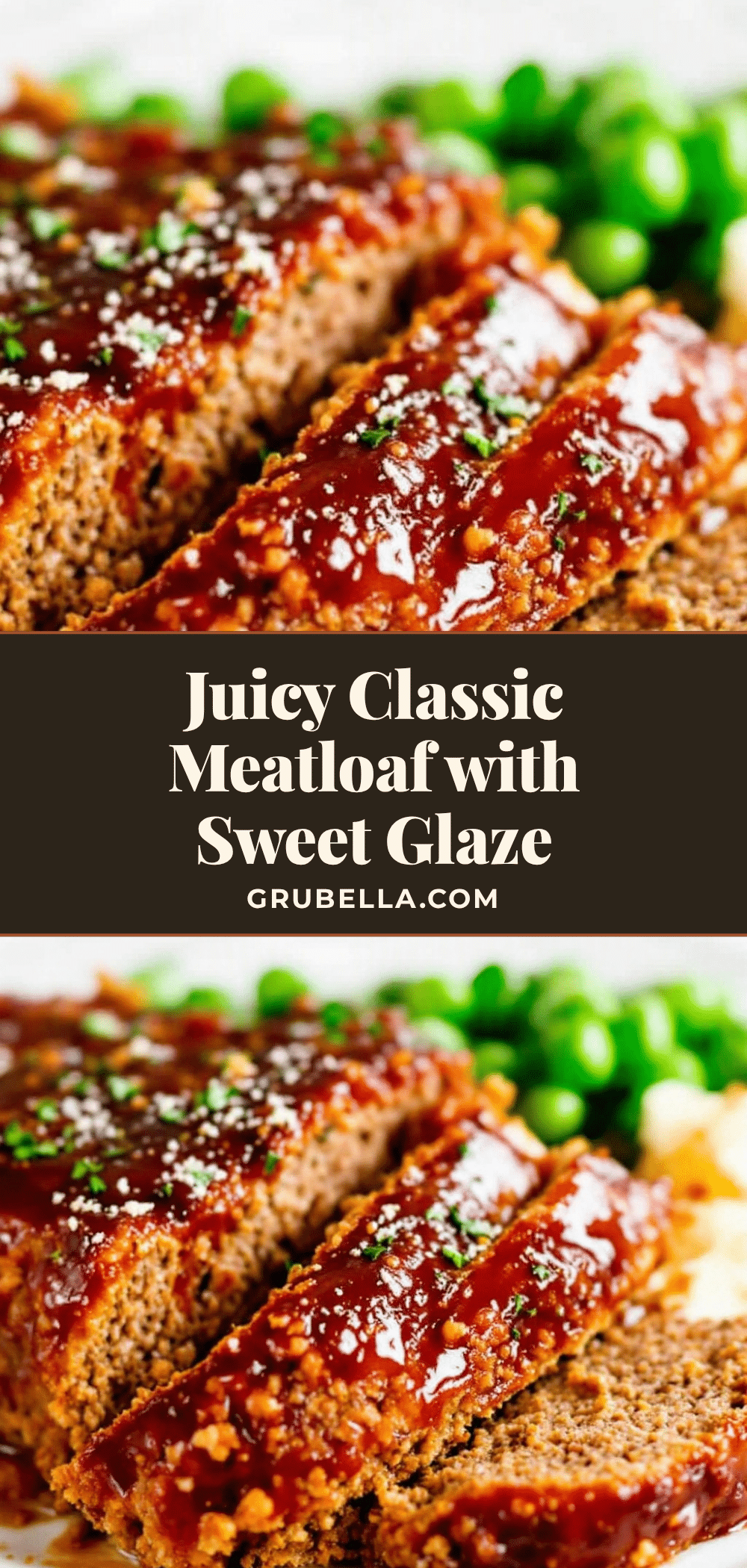
Classic Meatloaf with Brown Sugar Glaze
A juicy, tender meatloaf with a savory-sweet brown sugar glaze that caramelizes perfectly. This recipe avoids dryness by using an 80/20 beef blend, sautéed aromatics, and a specific glazing technique for the best texture and flavor.
- Prep Time: 15 minutes
- Cook Time: 60 minutes
- Total Time: 75 minutes
- Yield: 6 servings 1x
- Category: Main Course
- Cuisine: American
Ingredients
- 2 lbs ground beef (80/20 blend)
- 1 medium yellow onion, finely diced
- 3 cloves garlic, minced
- 1 tsp Old Bay Seasoning
- 1 tbsp Worcestershire Sauce
- 1/4 cup ketchup
- 2 large eggs, room temperature
- 1 cup plain dried breadcrumbs
- 1/4 cup milk
- Salt and black pepper to taste
- 1 tbsp butter (for sautéing)
- Non-stick spray or butter (for greasing pan)
Instructions
- Preheat oven to 350°F (175°C). Grease a 9×5 inch loaf pan with butter or non-stick spray.
- In a small skillet, melt 1 tbsp butter over medium heat. Add diced onion and cook until soft and translucent (3-4 minutes). Add minced garlic in the last 30 seconds. Let cool slightly.
- In a large bowl, combine ground beef, cooled onion mixture, breadcrumbs, milk, eggs, Old Bay, 1 tbsp Worcestershire sauce, 1/4 cup ketchup, salt, and pepper. Mix gently with hands until just combined.
- Transfer mixture to the prepared loaf pan. Press down firmly but gently and smooth the top.
- Bake for 40 minutes.
- While meatloaf bakes, combine 1/2 cup brown sugar, 2 tbsp apple cider vinegar, 1 tsp Worcestershire sauce, 1 tsp mustard, and 1/4 cup ketchup in a small saucepan. Heat over medium, stirring until sugar dissolves and mixture bubbles. Simmer for 1 minute.
- Remove meatloaf from oven. Pour glaze over the top, spreading evenly to the edges.
- Return to oven and bake for another 20 minutes until glaze is bubbly and caramelized.
- Check internal temperature with an instant-read thermometer; it should read 160°F (71°C).
- Remove from oven and let rest in the pan for at least 10 minutes before slicing to allow juices to redistribute.
Notes
Do not overmix the meat to avoid a tough texture. Sautéing the onions first removes excess moisture and concentrates flavor. Resting the meatloaf for 10 minutes is crucial for clean slicing and moisture retention. If the glaze burns too quickly, tent the top with foil.
Nutrition
- Serving Size: 1 slice
- Calories: 450
- Sugar: 16
- Sodium: 650
- Fat: 28
- Saturated Fat: 10
- Carbohydrates: 22
- Fiber: 1
- Protein: 28
Keywords: meatloaf, brown sugar glaze, easy dinner, comfort food, ground beef recipe, weeknight dinner, family meals