Love this? Save it for later!
Share the inspiration with your friends
“What is that smell?” My sister walked into my kitchen mid-November, coat still on, and just stood there by the stove. I was stirring something in a small saucepan—pomegranate juice, a splash of balsamic, some honey—and the whole room had gone sticky-sweet and tangy all at once. I didn’t even look up. “It’s the glaze,” I said. “For the vegetables.” She gave me this look, the kind that says you’ve finally lost it, and honestly, I couldn’t blame her. Vegetables with a fruit syrup? It sounded like a Pinterest experiment that was about to go sideways.
But here’s the thing—I had just come back from a farmers’ market where I’d bought way too many root vegetables (classic mistake) and a bottle of fresh pomegranate juice that I had no real plan for. The carrots were sitting there looking orange and smug. The parsnips were getting soft. And I had this memory stuck in my head of a roasted carrot dish from a tiny restaurant downtown that had this sweet-tart finish I could never forget. So I started throwing things in a bowl. Olive oil, salt, pepper, a pinch of cumin because why not, and then—on a whim—I poured that deep ruby juice into a pan and let it bubble down into something syrupy and dangerous. I drizzled it over the roasted root vegetables right before they came out of the oven, tossed in some fresh pomegranate arils, and stood there eating straight from the sheet pan.
That was the moment I realized roasted vegetables don’t have to be a side dish you tolerate. They can be the thing you actually look forward to. The pomegranate glaze doesn’t just sit on top—it seeps into the caramelized edges, mingles with the earthy sweetness of the beets and carrots, and turns something simple into something you’d serve at a holiday table without a second thought. This Best Roasted Root Vegetables with Pomegranate Glaze recipe became my go-to for fall dinners, Thanksgiving sides, and even those nights when I need to eat a mountain of vegetables and actually enjoy it. It’s the kind of dish that makes people ask for the recipe before they’ve finished chewing.
Why You’ll Love This Recipe
I’ve tested this recipe more times than I care to admit. The first batch was too tart. The second was too sweet. The third—well, the third was the one where I finally stopped second-guessing myself and let the ingredients do what they do best. Here’s why this version is the one worth making.
- Simple Ingredients, Big Flavor — You don’t need a specialty grocery store for this one. Carrots, parsnips, sweet potatoes, beets, a pomegranate, and pantry staples. That’s it. The magic happens in the oven and the saucepan.
- Quick & Easy — About 10 minutes of active prep, then the oven does the heavy lifting. Perfect for busy weeknights when you still want something that feels special.
- Perfect for Entertaining — This dish looks stunning on a platter. The jewel-toned pomegranate arils against the caramelized vegetables? It’s basically edible art. Great for Thanksgiving, Christmas, or a dinner party where you want to impress without stress.
- Crowd-Pleaser — I’ve served this to vegetable skeptics, picky eaters, and full-on carnivores. Everyone goes back for seconds. The glaze has this way of winning people over.
- Unbelievably Delicious — The combination of earthy roasted roots with a tangy-sweet pomegranate glaze is honestly next-level. It hits every note—savory, sweet, tart, and a little bit sticky in the best way.
What makes this recipe different from every other roasted vegetable dish out there? It’s the glaze. Most recipes just toss vegetables in oil and hope for the best. This one takes an extra five minutes to reduce pomegranate juice into a syrup that coats every piece like a glossy, flavor-packed hug. And the fresh arials at the end? They add little bursts of tartness that cut through the richness. It’s not just another side dish—it’s the side dish.
What Ingredients You Will Need
This recipe uses simple, wholesome ingredients to deliver bold flavor and satisfying texture without the fuss. Most of these are probably already in your kitchen or at your local market.
For the Roasted Root Vegetables
- 2 large carrots, peeled and cut into 2-inch chunks (about 1 ½ cups)
- 2 large parsnips, peeled and cut into 2-inch chunks (about 1 ½ cups)
- 1 medium sweet potato, peeled and cut into 1-inch cubes (about 2 cups)
- 1 medium red beet, peeled and cut into 1-inch cubes (about 1 cup) — (wear gloves to avoid staining your hands!)
- 1 medium golden beet, peeled and cut into 1-inch cubes (about 1 cup) — (adds beautiful color contrast)
- 1 small red onion, cut into wedges (about 1 cup)
- 3 tablespoons olive oil — (I prefer a good quality extra virgin here)
- 1 teaspoon kosher salt
- ½ teaspoon black pepper
- ½ teaspoon ground cumin — (adds warmth and depth)
- ¼ teaspoon ground cinnamon — (trust me on this one, it plays beautifully with the pomegranate)
For the Pomegranate Glaze
- 1 cup pure pomegranate juice — (look for 100% juice, not a juice blend. I like POM Wonderful for consistent results)
- 2 tablespoons honey — (or maple syrup for a vegan option)
- 1 tablespoon balsamic vinegar — (adds acidity and complexity)
- 1 teaspoon fresh lemon juice
- Pinch of salt
For Garnish
- ½ cup fresh pomegranate arils — (from about 1 pomegranate)
- 2 tablespoons fresh parsley, chopped — (optional, but adds a nice fresh pop of color)
- Flaky sea salt, for finishing
A quick note on ingredient selection: Look for firm, unblemished root vegetables. If your beets still have their greens attached, those greens are great sautéed separately! For the pomegranate, I find that rolling it firmly on the counter before cutting helps release the arils more easily. And if you can’t find fresh pomegranate, high-quality bottled juice works perfectly for the glaze—just make sure it’s not from concentrate.
Equipment Needed
You don’t need a fancy kitchen to pull this off. Here’s what you’ll need:
- Large sheet pan (half-sheet size, 18×13 inches) — A rimmed baking sheet is ideal to catch any juices. I use my Nordic Ware sheet pan for everything; it distributes heat evenly and doesn’t warp.
- Parchment paper or a silicone baking mat — Makes cleanup a breeze and helps prevent sticking.
- Small saucepan — For reducing the pomegranate glaze. A 1-quart saucepan works perfectly.
- Chef’s knife and cutting board — A sharp knife makes cutting through dense root vegetables much safer and easier.
- Vegetable peeler — For peeling carrots, parsnips, and sweet potatoes.
- Mixing bowl — For tossing the vegetables with oil and spices.
- Measuring cups and spoons
- Wooden spoon or whisk — For stirring the glaze as it reduces.
If you don’t have a sheet pan, a 9×13 baking dish will work in a pinch—just know the vegetables won’t get quite as crispy since they’ll be more crowded. And if you’re short on time, you can skip the parchment paper; just make sure to oil the pan well.
Preparation Method
Alright, let’s get cooking. This recipe comes together in about 45 minutes total, with most of that being hands-off oven time.
- Preheat your oven to 425°F (220°C). Line a large sheet pan with parchment paper or a silicone baking mat. Getting the oven hot is key here—high heat is what gives root vegetables those gorgeous caramelized edges.
- Prep the vegetables. Peel and cut your carrots, parsnips, sweet potato, beets, and red onion into roughly uniform pieces. Aim for 1 to 2-inch chunks. The more uniform the size, the more evenly they’ll cook. I usually cut carrots and parsnips on a slight diagonal for a more interesting shape—it looks prettier on the plate.
- Toss with oil and spices. In a large mixing bowl, combine the cut vegetables with 3 tablespoons olive oil, 1 teaspoon kosher salt, ½ teaspoon black pepper, ½ teaspoon cumin, and ¼ teaspoon cinnamon. Toss well with your hands or a spatula until every piece is evenly coated. Take a moment to really massage the spices into the vegetables—it makes a difference.
- Spread on the sheet pan. Arrange the vegetables in a single, even layer on the prepared sheet pan. Make sure they’re not crowded—if they’re touching too much, they’ll steam instead of roast. If your pan looks too full, use two pans or roast in batches. Trust me, crowding is the number one mistake people make with roasted vegetables.
- Roast for 35-40 minutes. Place the pan in the preheated oven and roast for 20 minutes. Then, remove the pan, flip the vegetables with a spatula, and return to the oven for another 15-20 minutes. The vegetables should be tender on the inside and caramelized on the edges when done. The beets should pierce easily with a fork. Your kitchen will smell incredible at this point—earthy, warm, slightly sweet.
- Make the pomegranate glaze while the vegetables roast. In a small saucepan, combine 1 cup pomegranate juice, 2 tablespoons honey, 1 tablespoon balsamic vinegar, 1 teaspoon lemon juice, and a pinch of salt. Bring to a boil over medium-high heat, then reduce the heat to medium-low and let it simmer. Stir occasionally with a wooden spoon. Let it reduce for about 12-15 minutes, until it thickens to a syrupy consistency. You’ll know it’s ready when it coats the back of a spoon and leaves a trail when you run your finger through it. Remove from heat and set aside. Be careful—it will thicken more as it cools.
- Glaze the vegetables. Once the vegetables are done roasting, remove the pan from the oven. Drizzle about half the pomegranate glaze over the hot vegetables and toss gently to coat. Reserve the remaining glaze for serving.
- Garnish and serve. Transfer the glazed roasted root vegetables to a serving platter. Sprinkle with fresh pomegranate arils, chopped parsley if using, and a pinch of flaky sea salt. Drizzle the remaining glaze over the top just before serving. Serve warm or at room temperature.
A few notes from my many batches of trial and error: If your glaze starts to get too thick while waiting, just add a teaspoon of warm water and whisk it back to life. And if you’re worried about the beets staining everything, roast them on a separate pan or wrap them in foil. I personally love the color they bleed—it makes the whole dish look like a painting.
Cooking Tips & Techniques
I’ve burned, undercooked, and overseasoned my fair share of roasted vegetables. Here’s what I’ve learned so you don’t have to make the same mistakes.
Don’t skip the parboil for denser roots. If you’re using particularly thick carrots or beets, consider parboiling them for 3-4 minutes before roasting. It jump-starts the cooking process and ensures they’re tender all the way through without burning on the outside. I learned this the hard way after serving crunchy beets at a dinner party.
Keep an eye on the glaze. Pomegranate juice has natural sugars that can burn quickly once reduced. Watch it closely during the last few minutes of simmering. If you see it getting dark too fast, pull it off the heat immediately. A burnt glaze tastes bitter and sad—I speak from experience.
Room temperature vegetables roast better. Let your cut vegetables sit at room temperature for about 15 minutes before tossing with oil and roasting. Cold vegetables straight from the fridge take longer to cook and don’t caramelize as well. This little trick made a huge difference in my roasting game.
Use two sheet pans if needed. I cannot overstate this: overcrowding your pan leads to steamed, soggy vegetables. If you’re making a double batch (which you should, because leftovers are amazing), use two pans and rotate them halfway through cooking. Your patience will be rewarded with crispy edges.
Taste as you go. Before you glaze the vegetables, taste a piece. Adjust salt and pepper if needed. The glaze adds sweetness and tang, but it doesn’t fix underseasoned vegetables. Get the base right first.
Variations & Adaptations
This recipe is endlessly adaptable. Here are some of my favorite twists.
Seasonal Swap. In the fall, swap the sweet potato for cubed butternut squash or pumpkin. In the spring, add asparagus spears and radishes during the last 15 minutes of roasting. The glaze works beautifully with just about any roasted vegetable combination.
Herb Infusion. Toss the roasted vegetables with fresh thyme or rosemary before adding the glaze. The earthy herbs balance the sweetness of the pomegranate. I’ve also tried it with fresh mint and it was surprisingly refreshing—perfect for summer.
Spice It Up. Add a pinch of red pepper flakes or a dash of cayenne to the spice mix for a little heat. The sweet-spicy combination is addictive. My husband requests this version every time.
Vegan-Friendly. Substitute the honey with maple syrup or agave nectar. The glaze works just as well and is equally delicious. I’ve made it both ways and honestly can’t pick a favorite.
Protein Addition. Add chickpeas or cubed tofu to the sheet pan during the last 20 minutes of roasting for a complete meal. Or serve the glazed vegetables alongside roasted chicken or salmon—the flavors pair beautifully.
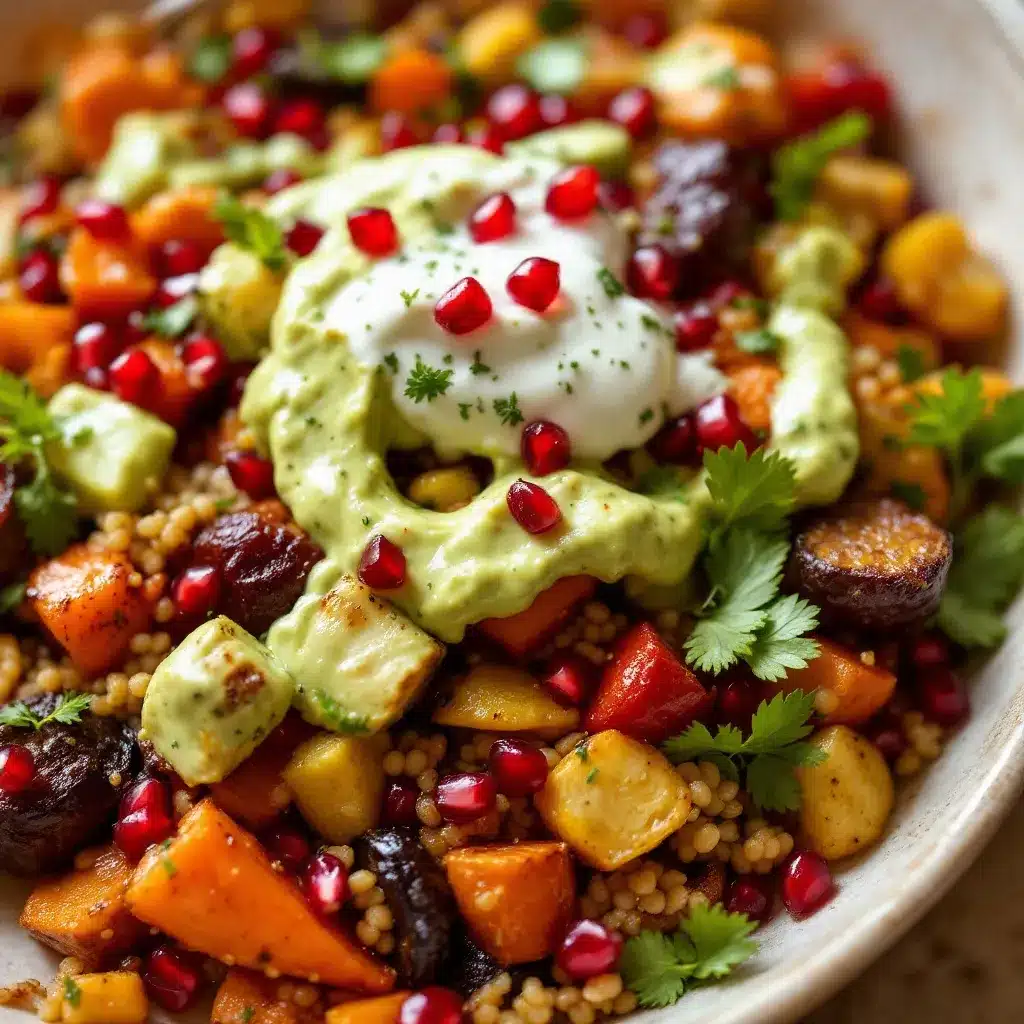
Make It a Bowl. Serve the glazed vegetables over a bed of quinoa or farro, topped with crumbled feta or goat cheese, and a handful of arugula. It’s a hearty, satisfying meal that comes together in minutes.
Serving & Storage Suggestions
This dish is incredibly versatile when it comes to serving. Here’s how to make the most of it.
Serving Temperature. These roasted root vegetables are delicious warm, at room temperature, or even cold straight from the fridge (don’t judge me—I’ve eaten them as a midnight snack more times than I’ll admit). For a dinner party, I recommend serving them warm, right after glazing, when the pomegranate arils are still bright and the glaze is glossy.
Presentation Tips. Arrange the vegetables on a large white platter for maximum color contrast. Drizzle the glaze in a zigzag pattern over the top, then scatter the pomegranate arils and flaky salt. A few sprigs of fresh parsley or thyme around the edges add a nice finishing touch.
What to Serve With It. These glazed vegetables are a natural side for roasted meats like chicken, pork, or beef. They also pair beautifully with a cozy slow cooker beef and vegetable soup for a complete fall meal. For a vegetarian spread, serve alongside loaded cowboy caviar and crusty bread. And if you’re hosting a holiday gathering, these vegetables are a stunning addition to any charcuterie board—seriously, the colors are gorgeous.
Storage. Store leftover glazed vegetables in an airtight container in the refrigerator for up to 4 days. The flavors actually deepen and meld together overnight, so leftovers are often even better the next day. I’ve been known to make a double batch just for this reason.
Reheating. The best way to reheat is in a 350°F oven for about 10 minutes, or in an air fryer at 350°F for 5-7 minutes. This helps restore some of the crispy edges. You can also reheat in a skillet over medium heat with a splash of water or broth. Avoid the microwave—it makes the vegetables mushy and the glaze turns into a sticky mess.
Freezing. I don’t recommend freezing this dish. The texture of the roasted vegetables changes significantly upon thawing, and the pomegranate arils will burst. Make it fresh for the best experience.
Nutritional Information & Benefits
This dish is as nutritious as it is delicious. Here’s a rough breakdown per serving (about 1 cup of vegetables with glaze):
| Nutrient | Amount Per Serving |
|---|---|
| Calories | 185 |
| Total Fat | 7g |
| Saturated Fat | 1g |
| Carbohydrates | 30g |
| Fiber | 6g |
| Sugar | 16g (natural from vegetables and juice) |
| Protein | 3g |
| Vitamin A | 180% DV |
| Vitamin C | 25% DV |
| Potassium | 15% DV |
Root vegetables are packed with fiber, vitamins, and antioxidants. Carrots and sweet potatoes are loaded with beta-carotene (which your body converts to vitamin A), while beets are known for their anti-inflammatory properties and ability to support healthy blood pressure. Pomegranate arils are rich in antioxidants called punicalagins, which are great for heart health. This dish is naturally gluten-free, dairy-free, and can be made vegan with a simple swap. It’s also Whole30-friendly if you skip the honey and use a compliant sweetener.
From a wellness perspective, this is the kind of dish that makes you feel good from the inside out. It’s colorful, nutrient-dense, and satisfying without being heavy. I love serving it when I want to eat something that feels both indulgent and virtuous—because honestly, you can have both.
Conclusion
This Best Roasted Root Vegetables with Pomegranate Glaze recipe has become a staple in my kitchen for a reason. It takes humble vegetables and turns them into something special—something that feels like a celebration, even on a random Tuesday night. The glaze is the star, but the real magic is how everything works together: the earthy sweetness of the roots, the tangy pop of the pomegranate, the warm spices that tie it all together.
I hope you give this recipe a try and make it your own. Maybe you’ll add extra cumin like I sometimes do, or throw in some fresh thyme from your garden. Maybe you’ll serve it at Thanksgiving and watch your relatives go back for thirds. Or maybe you’ll just make it for yourself on a quiet evening and eat it straight off the sheet pan—no judgment here.
If you make this recipe, I’d love to hear about it. Leave a comment below and let me know how it turned out, or share your own twist on it. And if you’re looking for more cozy, vegetable-forward dishes, check out my cozy brown butter pumpkin sourdough bread or these perfect pumpkin cream cheese muffins for more fall-inspired goodness. Happy cooking, friends!
Frequently Asked Questions
Can I use frozen vegetables for this recipe?
I wouldn’t recommend it. Frozen vegetables release too much water as they cook, which prevents caramelization and leads to soggy results. Fresh root vegetables are really the way to go here—they roast up crispy on the outside and tender on the inside.
Can I make the pomegranate glaze ahead of time?
Absolutely! The glaze can be made up to 3 days in advance. Store it in an airtight container in the refrigerator. When you’re ready to use it, gently reheat it in a small saucepan over low heat, adding a splash of water if it’s too thick.
How do I deseed a pomegranate without making a mess?
Here’s the method I swear by: Cut the pomegranate in half horizontally. Hold one half cut-side down over a bowl of water and smack the back of it firmly with a wooden spoon. The arils will fall into the water while the white pith floats. Skim off the pith, drain the arils, and you’re done. No stains, no mess.
Can I use bottled pomegranate juice for the glaze?
Yes, as long as it’s 100% pure pomegranate juice with no added sugars. I’ve used bottled juice many times and it works perfectly. Just avoid juice blends or cocktails—they have added sugar and won’t reduce the same way.
What other vegetables work well in this recipe?
So many! Try adding celery root, turnips, rutabaga, or even wedges of delicata squash (no need to peel those). Just adjust the cooking time based on the density of the vegetables—softer vegetables like zucchini should be added during the last 15 minutes of roasting.
Pin This Recipe!
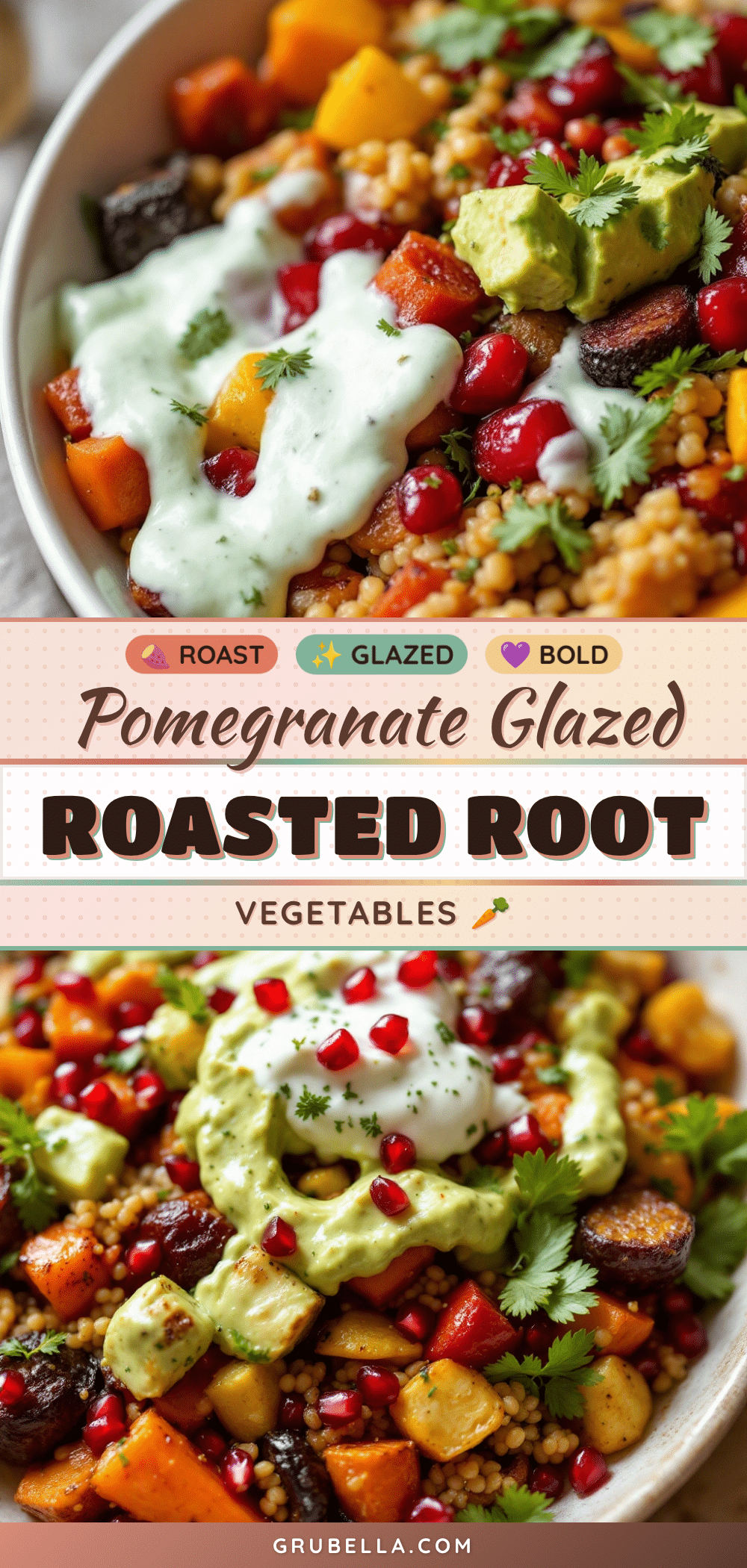
Best Roasted Root Vegetables with Pomegranate Glaze
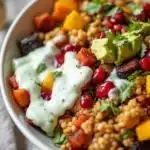
This recipe transforms humble root vegetables into a stunning side dish with a tangy-sweet pomegranate glaze. Perfect for fall dinners, Thanksgiving, or any night you want to enjoy a mountain of vegetables.
- Prep Time: 10 minutes
- Cook Time: 35-40 minutes
- Total Time: 45-50 minutes
- Yield: 4 servings 1x
- Category: Side Dish
- Cuisine: American
Ingredients
- 2 large carrots, peeled and cut into 2-inch chunks (about 1 ½ cups)
- 2 large parsnips, peeled and cut into 2-inch chunks (about 1 ½ cups)
- 1 medium sweet potato, peeled and cut into 1-inch cubes (about 2 cups)
- 1 medium red beet, peeled and cut into 1-inch cubes (about 1 cup)
- 1 medium golden beet, peeled and cut into 1-inch cubes (about 1 cup)
- 1 small red onion, cut into wedges (about 1 cup)
- 3 tablespoons olive oil
- 1 teaspoon kosher salt
- ½ teaspoon black pepper
- ½ teaspoon ground cumin
- ¼ teaspoon ground cinnamon
- 1 cup pure pomegranate juice
- 2 tablespoons honey
- 1 tablespoon balsamic vinegar
- 1 teaspoon fresh lemon juice
- Pinch of salt
- ½ cup fresh pomegranate arils (from about 1 pomegranate)
- 2 tablespoons fresh parsley, chopped (optional)
- Flaky sea salt, for finishing
Instructions
- Preheat your oven to 425°F (220°C). Line a large sheet pan with parchment paper or a silicone baking mat.
- Prep the vegetables: Peel and cut carrots, parsnips, sweet potato, beets, and red onion into roughly uniform 1 to 2-inch chunks.
- Toss with oil and spices: In a large mixing bowl, combine the cut vegetables with 3 tablespoons olive oil, 1 teaspoon kosher salt, ½ teaspoon black pepper, ½ teaspoon cumin, and ¼ teaspoon cinnamon. Toss well until every piece is evenly coated.
- Spread on the sheet pan: Arrange the vegetables in a single, even layer on the prepared sheet pan. Make sure they’re not crowded.
- Roast for 35-40 minutes: Roast for 20 minutes, then flip the vegetables with a spatula and return to the oven for another 15-20 minutes until tender and caramelized.
- Make the pomegranate glaze while the vegetables roast: In a small saucepan, combine 1 cup pomegranate juice, 2 tablespoons honey, 1 tablespoon balsamic vinegar, 1 teaspoon lemon juice, and a pinch of salt. Bring to a boil, then reduce heat and simmer for 12-15 minutes until syrupy.
- Glaze the vegetables: Once the vegetables are done, drizzle about half the glaze over them and toss gently. Reserve the remaining glaze for serving.
- Garnish and serve: Transfer to a serving platter. Sprinkle with fresh pomegranate arils, chopped parsley (if using), and flaky sea salt. Drizzle remaining glaze over the top. Serve warm or at room temperature.
Notes
If the glaze gets too thick while waiting, add a teaspoon of warm water and whisk. For denser roots like thick carrots or beets, consider parboiling for 3-4 minutes before roasting. Let cut vegetables sit at room temperature for 15 minutes before roasting for better caramelization. Avoid overcrowding the pan to prevent steaming.
Nutrition
- Serving Size: 1 cup
- Calories: 185
- Sugar: 16
- Sodium: 480
- Fat: 7
- Saturated Fat: 1
- Carbohydrates: 30
- Fiber: 6
- Protein: 3
Keywords: roasted root vegetables, pomegranate glaze, fall side dish, Thanksgiving vegetables, healthy side dish, gluten-free, dairy-free, vegan option