Love this? Save it for later!
Share the inspiration with your friends
I burned salmon three times before I figured out I was the problem, not the fish. The first time, I was trying to impress someone and ended up with a pan full of smoke and a kitchen that smelled like regret for three days. The second time, I got distracted by my phone—honestly, what was I even looking at? The third time, I used a pan that was way too small and ended up with salmon that was raw in the middle and charred on the edges. I almost gave up on cooking salmon entirely. But here’s the thing about giving up on a dish you actually want to eat—it never really sticks. I kept coming back to it, tweaking one thing at a time, until I landed on this one-pan lemon garlic butter salmon situation that changed everything. And I mean everything. It’s not fancy. It’s not fussy. It’s the kind of dinner you make on a Tuesday when you’re tired but still want something that feels like a reward. The butter gets all brown and nutty, the garlic softens into little flavor bombs, and the lemon keeps it from feeling heavy. I make it now without thinking, and that’s exactly the point. You shouldn’t have to think this hard about dinner. Let the pan do the work.
Why You’ll Love This Recipe
Let me tell you why this one-pan lemon garlic butter salmon has become my weeknight hero. It’s not just another salmon recipe—it’s the one I actually look forward to making, even after a long day.
- Quick & Easy: From start to finish, you’re looking at 20 minutes. That’s less time than it takes to decide what to order for takeout. Seriously.
- Simple Ingredients: You probably have everything already. Butter, garlic, lemon, salt, pepper. That’s it. No fancy grocery store runs required.
- Perfect for Busy Weeknights: This is the dinner you make when you want something that feels special but doesn’t demand a lot from you. It works for date night, solo dinners, or feeding a small crowd.
- Crowd-Pleaser: I’ve served this to picky eaters, seafood skeptics, and my aunt who “doesn’t really like fish.” Everyone cleans their plate. Every single time.
- Unbelievably Delicious: The butter gets all brown and nutty, the garlic melts into the sauce, and the lemon cuts through the richness perfectly. It’s comfort food that doesn’t weigh you down.
What makes this version different from all the others? The timing. I spent months figuring out the exact moment to add the garlic so it doesn’t burn, and the precise thickness for the salmon fillets so they cook evenly. This isn’t just another recipe—it’s the one I’ve tested and tweaked until it was just right. The first time you make it, you’ll understand why I kept going back to the kitchen after those early failures.
This is the kind of meal that makes you close your eyes after the first bite. It’s simple, yes, but it’s also deeply satisfying in a way that feels almost unfair for how little effort it takes. Perfect for impressing guests without the stress, or turning a regular Tuesday into something worth remembering.
What Ingredients You Will Need
This recipe uses simple, everyday ingredients to create something that tastes like you spent way more effort than you actually did. Most of these are pantry staples, which means you can probably make this tonight without a trip to the store.
- Salmon fillets (4, about 6 ounces each): Look for fillets that are similar in thickness so they cook evenly. I prefer center-cut fillets with the skin on—the skin gets crispy and delicious. If you’re using frozen salmon, make sure it’s fully thawed and patted dry.
- Unsalted butter (4 tablespoons): Use the good stuff here. Unsalted gives you control over the salt level, and the butter is the star of the show. I’ve tried this with salted butter in a pinch, and it works, but you’ll want to watch your salt addition.
- Garlic (4 cloves, minced): Fresh garlic is non-negotiable here. The pre-minced stuff in a jar will burn too quickly and won’t give you that sweet, mellow garlic flavor. Take the extra 30 seconds to mince it yourself.
- Fresh lemon (1 large): You’ll use both the juice and the zest. The zest adds brightness that juice alone can’t deliver. Roll the lemon on the counter before juicing to get every last drop.
- Olive oil (1 tablespoon): This helps the butter from burning and gives the salmon a beautiful golden crust. Use a good quality extra virgin olive oil if you have it.
- Salt (1 teaspoon, plus more to taste): I use kosher salt for its clean flavor and easy pinch-ability. Diamond Crystal is my go-to brand.
- Black pepper (½ teaspoon, freshly ground): Freshly ground pepper makes a difference here. The pre-ground stuff just doesn’t have the same punch.
- Fresh parsley (2 tablespoons, chopped): Optional but recommended for color and freshness. Flat-leaf parsley is best, but curly works too.
- Red pepper flakes (¼ teaspoon, optional): Adds a tiny kick without making it spicy. Leave it out if you’re sensitive to heat.
Ingredient Selection Tips: When buying salmon, look for fillets that are bright orange-pink with no brown spots or fishy smell. The flesh should feel firm when you press it gently. If you can, ask the fishmonger to remove the pin bones—they’re those tiny white bones that run along the center of the fillet. Most grocery stores will do this for free if you ask nicely.
Substitution Guidance: If you don’t have fresh lemons, you can use bottled lemon juice in a pinch, but you’ll miss out on the zest. For a dairy-free version, use ghee or a high-quality plant-based butter. And if you’re out of parsley, fresh dill or chives work beautifully here.
Equipment Needed
You don’t need a lot of fancy equipment for this one-pan wonder. Here’s what you’ll need:
- A large oven-safe skillet (10-12 inches): Cast iron is ideal because it holds heat beautifully and gives the salmon a gorgeous crust. But any oven-safe skillet will work—stainless steel, non-stick, or carbon steel. Just make sure it can go from stovetop to oven.
- Tongs: For flipping the salmon and handling the lemon slices. Silicone-tipped tongs won’t scratch your pan.
- A sharp knife: For mincing garlic and chopping parsley. A dull knife is more dangerous than a sharp one—trust me on this.
- Cutting board: Any cutting board will do. I prefer wood because it’s gentler on knives.
- Measuring spoons: For accurate measurements. Eyeballing works for some things, but not for salt in this recipe.
- Paper towels: For patting the salmon dry. This step is crucial for getting that golden crust.
If you don’t have an oven-safe skillet, you can cook the salmon entirely on the stovetop. Just cover the pan with a lid during the last few minutes of cooking to ensure the salmon cooks through without burning the butter. I’ve done it this way plenty of times when my cast iron was in the sink soaking. It works fine.
Budget-Friendly Option: A good cast iron skillet from a thrift store or garage sale can cost under $10 and will last forever. Just season it properly and it’ll perform better than any expensive non-stick pan.
Preparation Method
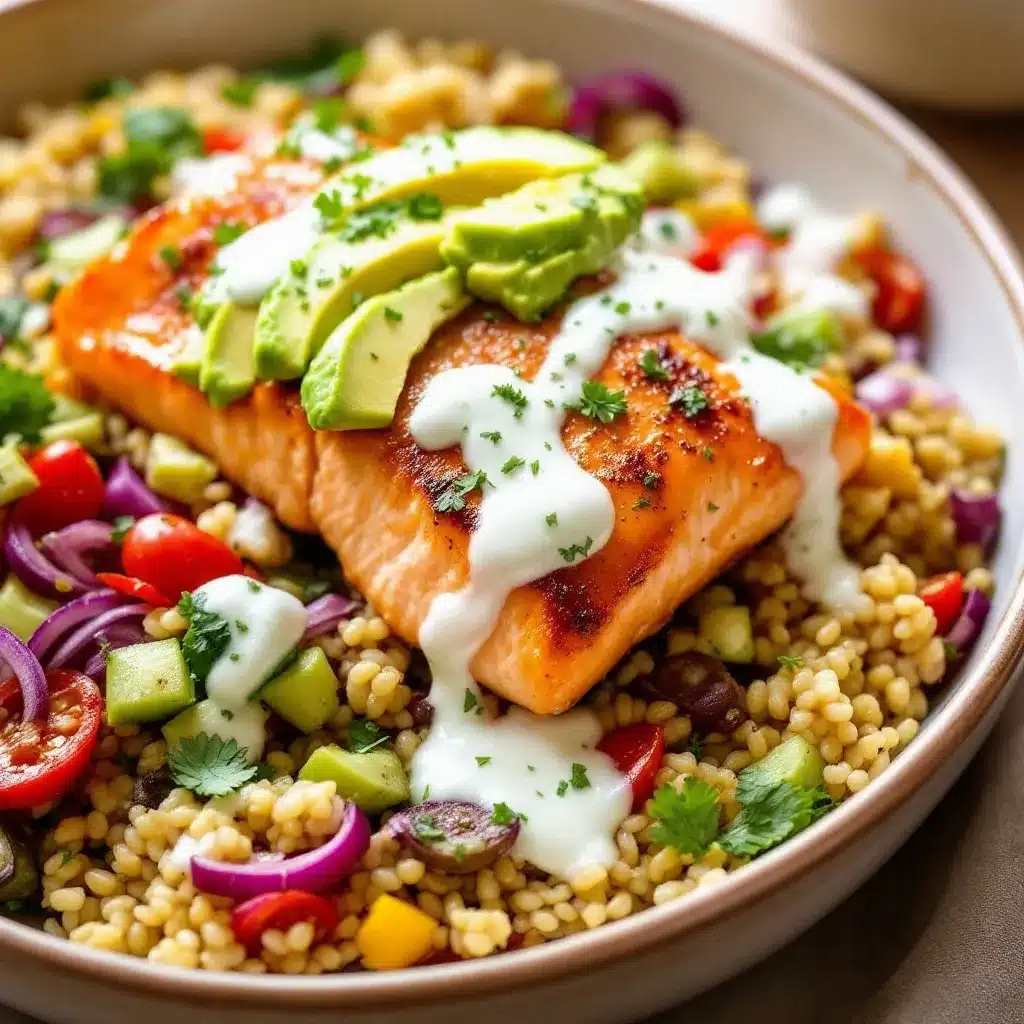
- Preheat your oven to 400°F (200°C). While it’s heating up, take your salmon fillets out of the fridge and let them sit at room temperature for about 10 minutes. This helps them cook more evenly. Pat them dry with paper towels—this is the most important step for getting that beautiful golden crust.
- Season the salmon generously. Sprinkle both sides with salt and pepper. Don’t be shy here—salmon can handle a fair amount of seasoning. I use about ¼ teaspoon of salt per fillet. Set the salmon aside while you prep the pan.
- Heat your skillet over medium-high heat. Add the olive oil and let it shimmer for about 30 seconds. The oil should be hot but not smoking. You want that nice sizzle when the salmon hits the pan.
- Sear the salmon, skin-side down. Place the fillets in the skillet, skin-side down, and let them cook undisturbed for 4 minutes. Don’t move them around—let that skin get crispy and golden. You’ll know it’s ready when the skin releases easily from the pan. If it sticks, it needs another minute.
- Flip the salmon. Using your tongs, carefully flip each fillet. Cook for another 2 minutes on the flesh side. The salmon should be golden brown on both sides now. If it’s not, give it another minute.
- Add the butter and garlic. Reduce the heat to medium and add the butter to the pan. Once it melts, add the minced garlic and lemon zest. Swirl the pan gently to combine everything. The butter will start to brown and smell nutty and amazing—that’s exactly what you want.
- Add lemon slices and transfer to the oven. Place a few lemon slices around the salmon in the pan. Carefully transfer the entire skillet to the preheated oven. Bake for 5-7 minutes, depending on the thickness of your fillets. For medium-rare salmon (my favorite), aim for 5 minutes. For well-done, go for 7-8 minutes.
- Check for doneness. The salmon is done when it flakes easily with a fork and the internal temperature reaches 125°F (52°C) for medium-rare or 135°F (57°C) for medium. The residual heat will continue cooking it slightly after you take it out of the oven.
- Finish with lemon juice and parsley. Remove the skillet from the oven. Squeeze the remaining lemon half over the salmon, sprinkle with fresh parsley and red pepper flakes if using. Let it rest for 2 minutes before serving. This rest time lets the juices redistribute so your salmon stays moist.
Pro tip: While the salmon is in the oven, you can quickly steam some green beans or microwave some rice to round out the meal. Everything comes together in about the same amount of time.
Sensory cues to watch for: When you add the garlic to the butter, you should hear a gentle sizzle. If it’s loud and aggressive, your pan is too hot. The butter should smell nutty and rich, not burnt. The lemon zest will release its oils and smell bright and fragrant. When the salmon is done, it should feel firm but give slightly when pressed gently.
Cooking Tips & Techniques
I learned most of these tips the hard way—through burned butter, overcooked salmon, and one particularly memorable kitchen smoke-out that set off my apartment’s fire alarm at 11 PM on a Tuesday.
Pat your salmon dry. This is not optional. Moisture is the enemy of a good sear. If your salmon is wet, it will steam instead of sear, and you’ll end up with pale, sad fish. Use paper towels and really get in there. I pat mine dry, then let it sit uncovered for a few minutes to air dry even more.
Don’t overcrowd the pan. If your skillet is too small, the salmon will steam instead of sear. Leave at least an inch of space between each fillet. If you’re cooking for a crowd, use two pans or cook in batches. I learned this one the hard way when I tried to cram four large fillets into a 10-inch pan—disaster.
Watch your garlic. Garlic burns faster than you think. Add it after the salmon has seared and the heat is reduced. If your garlic turns dark brown or black, start over. Burnt garlic is bitter and will ruin the whole dish. I speak from experience here—I’ve ruined more pans of butter than I care to admit.
Use a thermometer. If you cook salmon often, invest in an instant-read thermometer. It takes the guesswork out of doneness and saves you from overcooking expensive fish. I use mine for everything now—chicken, steak, even baked goods. Best $15 I ever spent.
Let it rest. I know you’re hungry, but let the salmon rest for 2 minutes after it comes out of the oven. This allows the juices to redistribute so every bite is moist and tender. Cutting into it immediately will leave you with dry salmon and a puddle of juice on your plate.
Timing strategy: Start your side dishes before you begin the salmon. If you’re making rice, start it first. If you’re doing vegetables, get them in the oven or on the stove before you sear the fish. Everything should finish around the same time. This took me way too long to figure out.
Variations & Adaptations
This recipe is endlessly adaptable, which is one of the reasons I keep coming back to it. Here are some variations I’ve tried and loved:
Herb Butter Salmon: Add 1 tablespoon each of fresh dill and fresh chives along with the parsley. The herbs brighten up the butter and give the salmon a garden-fresh flavor. I make this version in the summer when my herb garden is overflowing.
Spicy Cajun Salmon: Skip the lemon zest and instead season the salmon with 1 teaspoon of Cajun seasoning before searing. Add a pinch of cayenne to the butter for extra heat. This version is amazing served over rice with a side of collard greens.
Dairy-Free Version: Substitute the butter with ghee or a high-quality vegan butter. Ghee actually works better than regular butter because it has a higher smoke point and a nuttier flavor. I’ve used Miyoko’s vegan butter with great results too.
Maple Dijon Glaze: Whisk together 2 tablespoons of maple syrup, 1 tablespoon of Dijon mustard, and a splash of apple cider vinegar. Brush this over the salmon during the last 2 minutes of searing before transferring to the oven. The sweetness caramelizes beautifully. I stumbled on this combination when I was out of lemons one night and it’s been a regular ever since.
Sheet Pan Version: If you don’t have an oven-safe skillet, you can make this on a sheet pan. Toss asparagus or green beans with olive oil and salt, arrange on the pan, top with seasoned salmon fillets, and bake at 400°F for 12-15 minutes. Drizzle with the garlic butter mixture during the last 5 minutes. It’s not quite the same as the skillet version, but it’s still delicious and even easier to clean up.
For a lighter option: Reduce the butter to 2 tablespoons and add a splash of white wine or chicken broth. The sauce will be thinner but still flavorful. I do this when I’m trying to be a little more mindful about calories without sacrificing taste.
Serving & Storage Suggestions
This salmon is best served immediately, right out of the skillet. The butter sauce will start to solidify as it cools, so you want to enjoy it while it’s hot and glossy. I like to serve it with a side of crusty bread to soak up every last drop of that garlic butter—honestly, that’s my favorite part.
Serving temperature: Serve the salmon warm, not piping hot. Let it rest for those 2 minutes after it comes out of the oven, then serve. The texture is best when it’s just slightly warm.
What to serve with it: This salmon pairs beautifully with roasted vegetables, a simple green salad, or creamy dill cucumber salad. For a starchy side, try mashed potatoes, rice, or quinoa. The butter sauce is amazing over any of these.
Storage: Leftover salmon keeps in the refrigerator for up to 3 days in an airtight container. The texture won’t be quite as good as fresh, but it’s still delicious. I like to flake leftover salmon over salads or mix it into pasta for an easy lunch the next day.
Reheating: The best way to reheat salmon is in a low oven (275°F) for about 10 minutes. You can also reheat it gently in a skillet with a splash of water or broth to keep it moist. Avoid the microwave—it will dry out the salmon and make it rubbery. I learned this one the hard way.
Freezing: Cooked salmon freezes well for up to 2 months. Wrap each fillet individually in plastic wrap, then place in a freezer bag. Thaw overnight in the refrigerator before reheating. The texture will be slightly softer after freezing, but the flavor is still great.
How flavors develop: This salmon is definitely best fresh, but I’ve noticed that the flavors meld together beautifully after a day in the fridge. The garlic mellows out and the lemon brightens everything up. It’s almost like a different dish—still delicious, just different.
Nutritional Information & Benefits
Here’s the nutritional breakdown for one serving (one salmon fillet with butter sauce):
| Nutrient | Amount per Serving |
|---|---|
| Calories | 380 |
| Protein | 34g |
| Fat | 26g |
| Saturated Fat | 12g |
| Carbohydrates | 2g |
| Fiber | 0g |
| Sugar | 1g |
| Sodium | 620mg |
| Omega-3 Fatty Acids | 2.5g |
| Vitamin D | 15mcg |
| Vitamin B12 | 4.5mcg |
Salmon is one of the most nutrient-dense foods you can eat. It’s packed with omega-3 fatty acids, which support heart health and brain function. The vitamin D content is especially valuable if you don’t get much sun exposure. And the protein keeps you full and satisfied for hours.
Dietary considerations: This recipe is naturally gluten-free, low-carb, and keto-friendly. If you’re watching your sodium, reduce the added salt to ½ teaspoon. The lemon and garlic provide plenty of flavor even with less salt. For those with dairy sensitivities, the ghee substitution works beautifully.
Potential allergens: This recipe contains fish and dairy. If you’re serving someone with a seafood allergy, this obviously isn’t the dish for them. But for everyone else, it’s a nutritional powerhouse that happens to taste incredible.
I love that this recipe makes me feel good about what I’m eating without sacrificing flavor. It’s one of those rare dishes that’s both indulgent and healthy—the butter makes it feel like a treat, but the salmon does the heavy lifting nutritionally.
Conclusion
This one-pan lemon garlic butter salmon is the kind of recipe that makes you wonder why you ever stressed about cooking fish. It’s forgiving, it’s fast, and it delivers every single time. After those early failures—the burned butter, the raw centers, the smoky kitchen—I honestly never thought I’d get here. But now, this is the dinner I make when I need a win. And it always delivers.
I hope you’ll make this your own. Play with the herbs, swap in different citrus, crank up the spice if that’s your thing. The beauty of this recipe is that it’s a framework, not a rulebook. Start with the basics, then make it yours. That’s what cooking is all about anyway.
When you make this—and I really hope you do—come back and let me know how it turned out. Did you add something unexpected? Did your kids actually eat it? (Mine did, and that was a miracle.) Drop a comment below or tag me in your photos. I love seeing these pans in action. Happy cooking, friend.
Frequently Asked Questions
Can I use frozen salmon for this recipe?
Yes, but you need to thaw it completely first. The best way is to transfer the frozen fillets to the refrigerator the night before. If you’re in a hurry, place the sealed salmon in a bowl of cold water for about 30 minutes. Pat it very dry before cooking—frozen salmon holds more moisture, so you’ll need extra paper towels.
How do I know when the salmon is done?
The most reliable method is using an instant-read thermometer. For medium-rare, look for 125°F (52°C). For medium, aim for 135°F (57°C). If you don’t have a thermometer, the salmon should flake easily with a fork and the center should be opaque rather than translucent. The flesh should feel firm but still give slightly when pressed.
Can I make this without an oven-safe skillet?
Absolutely. Cook the salmon entirely on the stovetop over medium heat. After searing both sides and adding the butter and garlic, cover the pan with a lid and cook for 4-5 minutes, or until the salmon is cooked through. The lid traps steam and helps cook the fish evenly without drying it out.
What if I don’t have fresh garlic?
Fresh garlic really is best here, but in a pinch, you can use 1 teaspoon of garlic powder. Add it along with the salt and pepper when seasoning the salmon. The flavor won’t be as bright, but it’ll still be good. Skip the jarred minced garlic—it burns too easily and has a metallic taste.
Can I double this recipe?
Yes, but don’t overcrowd the pan. Use a larger skillet (12-14 inches) or cook the salmon in batches. If you’re feeding a crowd, I recommend using two pans simultaneously. The butter and garlic quantities can be doubled easily, but keep an eye on the cooking time—more salmon in the pan might need an extra minute or two in the oven.
Pin This Recipe!
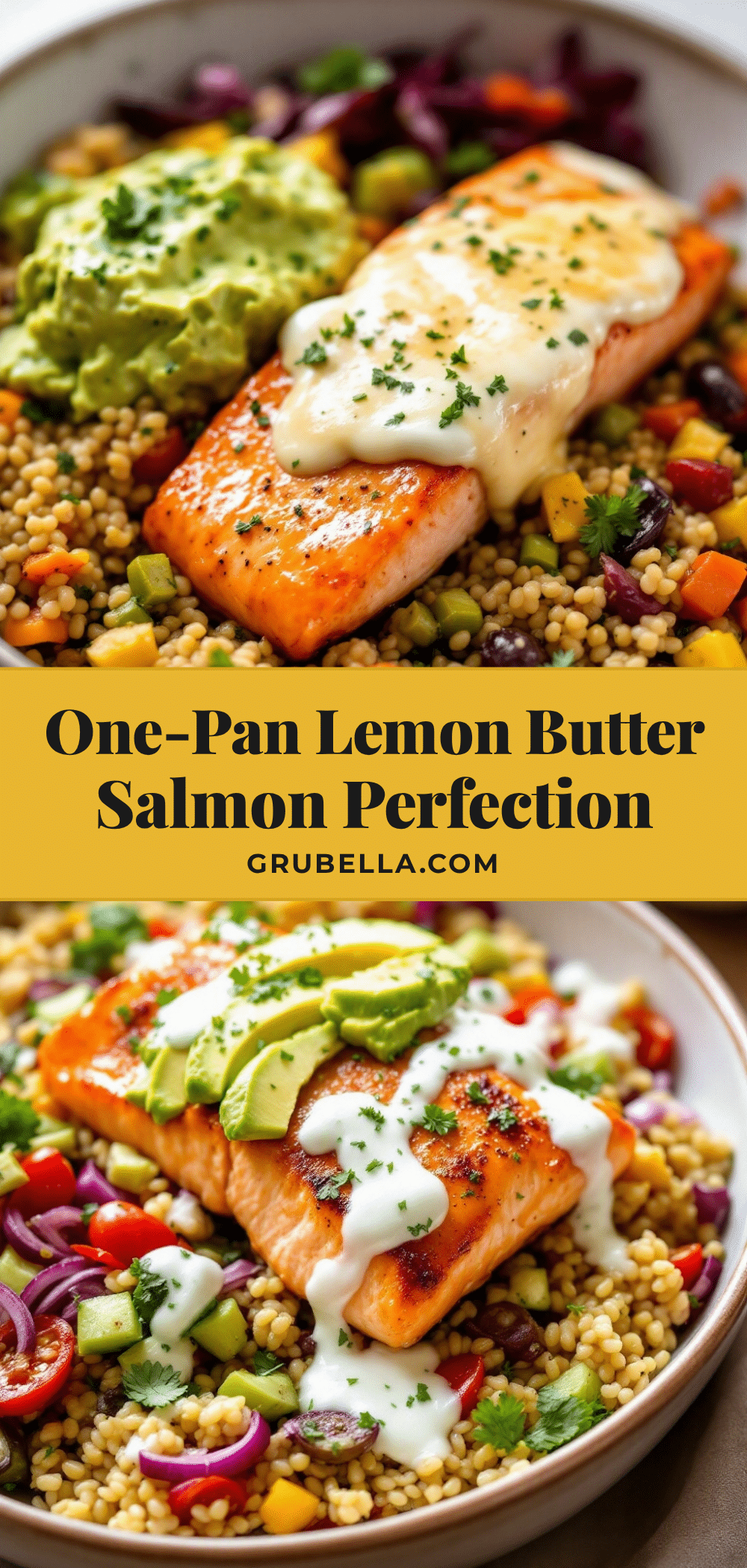
Easy One-Pan Lemon Garlic Butter Salmon in 20 Minutes

A quick and easy one-pan salmon recipe with lemon garlic butter sauce, perfect for busy weeknights. Ready in 20 minutes with simple ingredients.
- Prep Time: 10 minutes
- Cook Time: 10 minutes
- Total Time: 20 minutes
- Yield: 4 servings 1x
- Category: Main Course
- Cuisine: American
Ingredients
- 4 salmon fillets (about 6 ounces each)
- 4 tablespoons unsalted butter
- 4 cloves garlic, minced
- 1 large lemon (juice and zest)
- 1 tablespoon olive oil
- 1 teaspoon kosher salt
- ½ teaspoon freshly ground black pepper
- 2 tablespoons fresh parsley, chopped
- ¼ teaspoon red pepper flakes (optional)
Instructions
- Preheat oven to 400°F (200°C). Let salmon sit at room temperature for 10 minutes. Pat dry with paper towels.
- Season salmon generously on both sides with salt and pepper.
- Heat olive oil in a large oven-safe skillet over medium-high heat until shimmering.
- Sear salmon skin-side down for 4 minutes without moving.
- Flip salmon and cook for 2 more minutes on the flesh side.
- Reduce heat to medium. Add butter, minced garlic, and lemon zest. Swirl pan to combine.
- Add lemon slices around salmon. Transfer skillet to oven and bake for 5-7 minutes (5 for medium-rare, 7-8 for well-done).
- Check doneness: salmon should flake easily with a fork and reach 125°F (52°C) for medium-rare or 135°F (57°C) for medium.
- Remove from oven. Squeeze remaining lemon half over salmon, sprinkle with parsley and red pepper flakes. Let rest 2 minutes before serving.
Notes
Pat salmon dry for best sear. Don’t overcrowd the pan. Add garlic after reducing heat to prevent burning. Let salmon rest 2 minutes before serving. For dairy-free, use ghee or vegan butter.
Nutrition
- Serving Size: 1 salmon fillet with
- Calories: 380
- Sugar: 1
- Sodium: 620
- Fat: 26
- Saturated Fat: 12
- Carbohydrates: 2
- Protein: 34
Keywords: salmon, lemon garlic butter, one-pan, quick dinner, weeknight meal, healthy, gluten-free, low-carb, keto