Love this? Save it for later!
Share the inspiration with your friends
By the fourth time I roasted an acorn squash this month, I had developed a weird, specific relationship with its tough, ribbed skin. It’s not exactly a love story, but it is a mutual understanding. I know that if I pierce it too shallowly, the flesh stays stubbornly raw. You know the feeling—that gritty, unyielding center that ruins the whole vibe of a cozy dinner. So, I’ve learned to be aggressive with the fork. Really aggressive.
The first time I made this stuffed version, I treated it like a delicate pastry. I was wrong. The second time, I overcooked the wild rice until it turned into mush. Honestly? That was actually pretty good, but not what I was going for. The third attempt was… fine. Mediocre, even. The filling lacked soul. It tasted like ingredients in a bowl, not a meal.
This fourth iteration is the one that stuck. It wasn’t a lightning bolt of inspiration. It was just fatigue meeting precision. I stopped trying to make it fancy. I stopped worrying about whether the squash looked symmetrical (they never do, let’s face it). I just focused on the ratio of earthy grains to sweet, caramelized squash.
There is something deeply satisfying about carving into a roasted vegetable that you had to wrestle with in the oven. It feels earned. The smell of toasted pecans and thyme drifting out of that hollowed-out shell is the kind of scent that makes you want to invite neighbors over, even if you’re too tired to talk.
This recipe isn’t about perfection. It’s about warmth. It’s about the quiet moment when you realize that the simple act of stuffing a squash with wild rice, cranberries, and cheese has become your new favorite ritual. I’m not saying you’ll make it four times in a month. But you might make it once, and then remember it every time the leaves start turning.
Why You’ll Love This Recipe
This isn’t just another fall vegetable dish that disappears into the void of your Pinterest board. This stuffed acorn squash recipe is the kind of meal that grounds you. I’ve tested this with at least six different brands of wild rice and three types of hard cheeses, and I can tell you with confidence that this specific combination hits a nerve. It’s not just food; it’s comfort.
Here is why this recipe earns a permanent spot in your weekly rotation:
- Texture Harmony: The magic here is the contrast. You get the tender, almost buttery bite of the roasted squash against the chewy, nutty wild rice. Then, you hit the crunch of toasted pecans. It’s a sensory experience that keeps you eating past the first bite.
- Make-Ahead Magic: Let’s be real—cooking on a weeknight is hard. This recipe allows you to prep the filling and even pre-roast the squash ahead of time. You can assemble it right before dinner and let the oven do the heavy lifting. It’s perfect for busy weeknights or when you have guests coming over and need a centerpiece that looks impressive but requires minimal stress.
- Flavor Depth: Most stuffings rely on bread and broth. This one relies on the natural sweetness of the squash and the savory depth of wild rice. The addition of dried cranberries adds a tart punch that cuts through the richness of the cheese. It’s balanced, complex, and surprisingly easy to pull off.
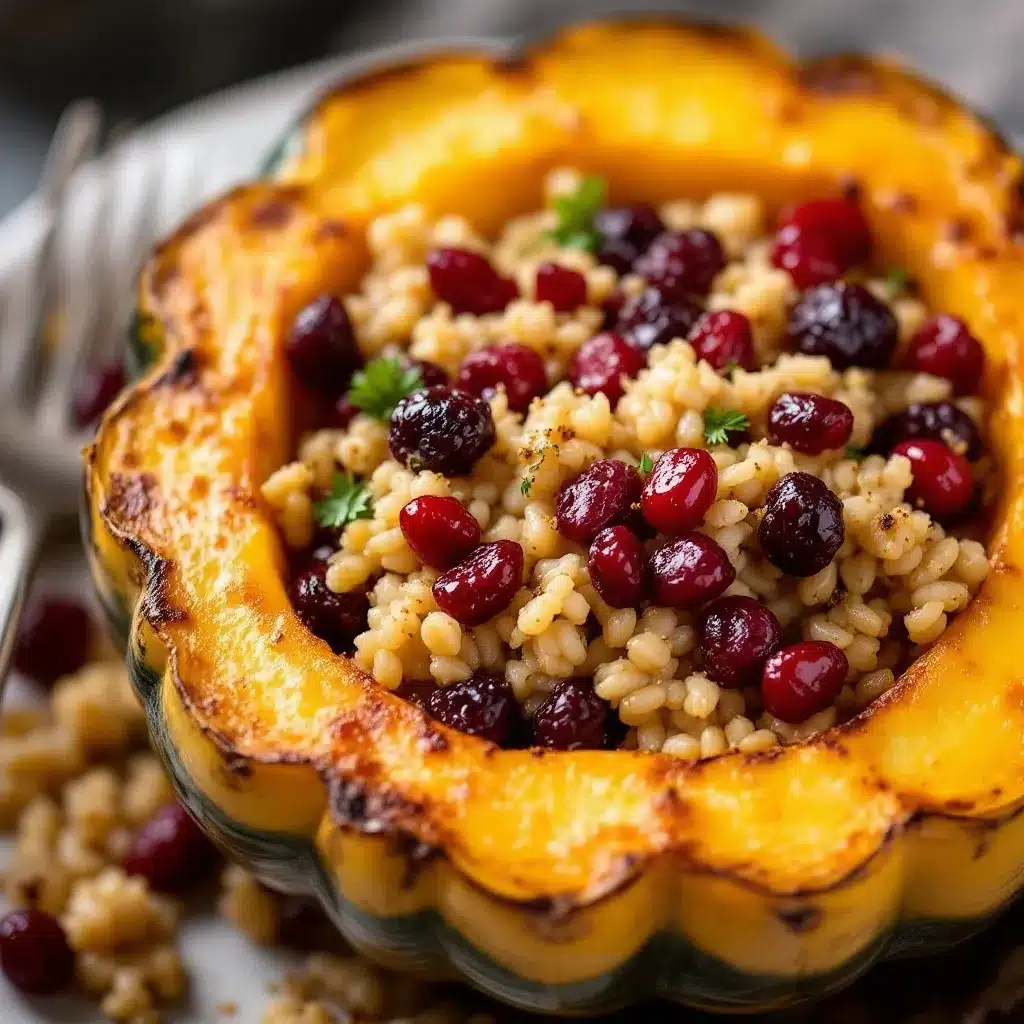
- Visually Stunning: If you’re hosting, this is your secret weapon. A halved acorn squash, golden-brown and bubbling with cheese, looks like something you’d get at a high-end bistro. But you made it in your home kitchen. It’s impressive without being pretentious.
- Customizable Canvas: Hate cranberries? Use dried cherries. Don’t like pecans? Swap in walnuts or pumpkin seeds. This recipe is forgiving. It adapts to what you have in your pantry, which is exactly what I need when I’m running on three hours of sleep.
I remember the first time I served this to my partner. He took one bite, closed his eyes, and just sighed. That sigh is the metric I live by. It’s the sound of someone realizing that healthy food can actually be indulgent. This isn’t just a side dish; it’s a main event. It’s the kind of meal that makes you forget about the cold weather outside because you’re too busy enjoying the warmth in your bowl.
What Ingredients You Will Need
This recipe relies on a handful of wholesome, accessible ingredients that work together to create a bold, savory-sweet profile. You don’t need to hunt down exotic spices or rare items. Most of this is likely already in your pantry or freezer. The key is quality where it counts—specifically with the rice and the cheese.
Here is what you’ll need to assemble this cozy masterpiece:
- Acorn Squash: You’ll need two medium-sized acorn squashes. Look for ones that feel heavy for their size, which indicates moist, tender flesh. The skin should be a deep green with some orange patches, indicating it’s ripe. Avoid any with soft spots or cracks.
- Wild Rice: Use about one cup of dry wild rice. I prefer a blend that includes some brown rice for better texture, but pure wild rice has a stronger, nuttier flavor. (Note: Wild rice is actually a grass, not a true rice, which gives it that unique chew.)
- Vegetable Broth: Use four cups of low-sodium vegetable broth to cook the rice. Cooking the rice in broth instead of water adds a layer of savory depth that water just can’t provide. If you don’t have broth, water works, but you’ll need to be more generous with salt.
- Yellow Onion: One medium yellow onion, finely diced. This is your aromatic base. It sweats down and becomes sweet, balancing the earthiness of the rice.
- Garlic: Three cloves of fresh garlic, minced. Don’t use the jarred stuff if you can help it. Fresh garlic has a brightness that lifts the whole dish. (Trust me on this one.)
- Fresh Thyme: Two tablespoons of fresh thyme leaves. Thyme and squash are classic partners. If you only have dried thyme, use one teaspoon, but fresh is so much better here.
- Dried Cranberries: Half a cup of dried cranberries. They add a necessary tartness and chew. If you’re allergic to berries, dried apricots or chopped dates work well too.
- Toast Pecans: Half a cup of pecans, roughly chopped. Toasting them beforehand is non-negotiable. It brings out their oils and makes them crunchy. (I usually toast them in the same oven as the squash for the last 10 minutes.)
- Feta Cheese: One cup of crumbled feta cheese. Feta is salty and tangy, which cuts through the sweetness of the squash. You can substitute goat cheese or a sharp white cheddar if you prefer a milder flavor.
- Butter: Two tablespoons of unsalted butter for sautéing the onions and rice. It adds richness and helps carry the flavors.
- Maple Syrup: One tablespoon of pure maple syrup. Just a little bit to glaze the squash and enhance its natural sugars. Avoid corn syrup blends.
- Olive Oil: Two tablespoons of extra virgin olive oil for drizzling over the squash before roasting.
- Salt and Black Pepper: To taste. I usually use about one and a half teaspoons of kosher salt for the whole recipe, but adjust based on your salt preference and the saltiness of your cheese.
I’ve tried this with gouda, and it was good, but feta is the winner. The saltiness really makes the wild rice pop. Also, don’t skip the maple syrup. It seems small, but it ties the savory and sweet elements together in a way that feels intentional, not accidental.
Equipment Needed
You don’t need a professional kitchen to pull this off, but having the right tools makes the process smoother. Here is what you’ll need:
- Rimmed Baking Sheet: A large, heavy-duty baking sheet is essential. It holds both the squash halves and the pecans. Make sure it’s big enough so the squash isn’t crowded; air circulation helps it roast evenly.
- Serrated Knife: Acorn squash is tough. A sharp chef’s knife can slip, which is dangerous. A serrated bread knife is your best friend here. It grips the skin and saws through it with minimal effort. (If your knife is dull, microwave the squash for 2 minutes first to soften it slightly.)
- Sturdy Spoon: Use a heavy metal spoon or an ice cream scoop to remove the seeds and pulp. It’s easier than you think, but a spoon gives you better control than a knife.
- Medium Saucepan: For cooking the wild rice. A heavy-bottomed pot prevents scorching.
- Skillet: A 10-inch skillet or sauté pan for cooking the onions, garlic, and mixing the filling. Cast iron is great if you have it, but stainless steel works perfectly fine.
- Small Mixing Bowl: For combining the cooked rice, vegetables, cranberries, pecans, and cheese. Glass or ceramic is nice so you can see everything clearly.
- Measuring Cups and Spoons: Standard kitchen tools. Precision matters less here than in baking, but it helps to be consistent.
I used to struggle with cutting the squash until I bought a dedicated serrated knife. It was the best five dollars I ever spent. And honestly, if you don’t have a rimmed baking sheet, you can use two regular ones, but make sure they’re stable. I once had a pan slide and spill hot squash water all over my stove. Not fun.
Preparation Method
Let’s get into the nitty-gritty. This process is straightforward, but there are a few tricks to ensure your squash is tender and your filling is flavorful.
Step 1: Prep and Roast the Squash (30 Minutes)
- Preheat the Oven: Set your oven to 400°F (200°C). Line your baking sheet with parchment paper for easy cleanup.
- Cut the Squash: Wash the acorn squashes thoroughly. Place them on a stable cutting board. Using your serrated knife, carefully cut each squash in half lengthwise. Be careful—these are hard. If it’s fighting you, try piercing it with a fork all over first to release steam.
- Remove Seeds: Scoop out the seeds and stringy pulp with your spoon. You don’t need to save the seeds for this recipe, but you can roast them if you want a snack later.
- Season and Roast: Drizzle the cut sides with olive oil and sprinkle with a pinch of salt. Place them cut-side down on the baking sheet. Roast for 30-40 minutes. You’ll know they’re done when a fork slides easily into the flesh. The edges might get a little caramelized, which is delicious.
- Flip and Brush: Once tender, flip the squash halves cut-side up. Brush the insides with a little more olive oil and a teaspoon of maple syrup. Set aside while you make the filling.
Step 2: Cook the Wild Rice (25 Minutes)
- Boil the Rice: In your saucepan, bring the vegetable broth to a boil. Add the wild rice, reduce heat to low, cover, and simmer for 40-45 minutes. (Check the package instructions, as cooking times vary by brand.) The rice is done when it opens up and shows little white tails.
- Drain and Fluff: Drain any excess liquid if needed. Fluff the rice with a fork and set it aside to cool slightly. It should be warm, not hot, when you mix it.
Step 3: Make the Filling (10 Minutes)
- Sauté Aromatics: In your skillet, melt the butter over medium heat. Add the diced onion and a pinch of salt. Cook for 5-7 minutes until softened and translucent. Add the minced garlic and fresh thyme. Cook for another minute until fragrant. Be careful not to burn the garlic.
- Combine: Remove the skillet from heat. Add the cooked wild rice, dried cranberries, and toasted pecans. Stir to combine.
- Add Cheese: Fold in half of the crumbled feta cheese. Season with black pepper to taste.
Step 4: Assemble and Bake (15 Minutes)
- Stuff: Divide the rice mixture evenly among the four squash halves. Pack it in gently; don’t compress it too much.
- Top: Sprinkle the remaining feta cheese over the top of each stuffed squash.
- Broil: Place the baking sheet back in the oven. Broil on high for 5-7 minutes, or until the cheese is melted and bubbly and the edges of the filling are slightly golden. Watch it closely—cheese burns fast!
- Serve: Let them cool for 5 minutes before serving. This helps the filling set slightly so it doesn’t slide out.
Cooking Tips & Techniques
I’ve learned a few things the hard way, so you don’t have to. Here are some pro tips to make your stuffed squash a success.
- Don’t Skip the Serrated Knife: I cannot stress this enough. Trying to cut a raw acorn squash with a dull chef’s knife is a recipe for disaster. A serrated knife acts like a saw. If you’re worried about safety, microwave the whole squash for 2-3 minutes first. It softens the skin just enough to make cutting easier.
- Toast Your Nuts: Raw pecans are fine, but toasted pecans are *better*. The heat releases their oils, making them nuttier and crunchier. You can toast them in a dry pan on the stove, but I usually just toss them on the baking sheet with the squash for the last 10 minutes of roasting. Efficient and flavorful.
- Balance the Salt: Feta is salty. Vegetable broth varies in sodium. Taste your filling mixture before you stuff the squash. If it tastes bland, add more salt. If it’s already salty, skip the extra salt on the squash skin.
- Don’t Overpack: When you’re stuffing the squash, it’s tempting to mound it high. Resist the urge. The rice will expand slightly as it heats up. If you pack it too tight, the squash might split open, and the filling will burn on the edges. Fill it to the brim, but don’t compress it.
- Crispy Edges: If you like a bit of char on your filling, broil it for an extra minute or two. But keep a close eye on the oven. Cheese goes from melted to burnt in about 60 seconds. It’s a gamble, but worth it for the flavor.
I once tried to make this with brown rice instead of wild rice. It was fine, but it lacked that distinct chew and earthy flavor that wild rice brings. Stick with wild rice. It’s worth the extra cooking time.
Variations & Adaptations
This recipe is a template, not a law. Feel free to tweak it to suit your taste or dietary needs.
Dietary Adjustments
- Vegan Option: Swap the butter for olive oil or vegan butter. Use a vegan feta or nutritional yeast for that cheesy tang. The rest of the ingredients are naturally vegan.
- Gluten-Free: This recipe is naturally gluten-free, provided you use certified gluten-free broth and verify your wild rice is processed in a gluten-free facility.
- Dairy-Free: Omit the cheese entirely, or use a dairy-free cheese alternative. Add a splash of olive oil at the end for richness.
Flavor Variations
- Apple and Sage: Add half a cup of diced apples to the filling. Apples pair beautifully with squash and thyme. This adds a fresh, crisp element.
- Mediterranean Twist: Swap the feta for goat cheese. Add chopped sun-dried tomatoes and fresh basil. This gives it a more Italian vibe.
- Spicy Kick: Add a diced jalapeño or red pepper flakes to the onion mixture. The heat contrasts nicely with the sweet squash.
I tried adding sausage to this once. It was good, but it made it heavier. For a lighter, vegetarian meal, stick to the cheese and nuts. If you want protein, serve it with a side of roasted chicken.
Serving & Storage Suggestions
How to Serve
This stuffed squash is hearty enough to be a main course. Serve it warm, garnished with fresh parsley or extra thyme. It pairs beautifully with a simple green salad dressed with a lemon vinaigrette. The acidity of the salad cuts through the richness of the cheese and rice.
If you’re hosting a dinner party, serve this with a glass of spiced apple cider bourbon cocktail. The warm spices in the drink complement the fall flavors in the squash perfectly. It’s a cohesive menu that feels thoughtful and seasonal.
Storage and Reheating
- Refrigerator: Store leftovers in an airtight container for up to 3 days. The squash will soften further, which some people prefer.
- Freezer: You can freeze the stuffed squash, but the texture of the squash may become mushy upon thawing. It’s best eaten fresh. If you must freeze, wrap tightly in plastic and foil. It will last for 2 months.
- Reheating: Reheat in the oven at 350°F for 15-20 minutes to crisp up the edges. Microwaving works in a pinch, but it will make the filling soggy. If you microwave it, finish it in a toaster oven or air fryer for a few minutes to restore some crunch.
The flavors actually meld and improve overnight. The rice absorbs more of the broth and cheese flavors, making the second day’s version richer and more complex.
Nutritional Information & Benefits
This stuffed acorn squash is not only delicious but also packed with nutrients. Acorn squash is a great source of fiber, vitamin C, and potassium. Wild rice provides protein and antioxidants. The pecans add healthy fats and magnesium.
- Calories: Approximately 350-400 calories per half squash.
- Fiber: High fiber content from the squash and wild rice, aiding digestion.
- Protein: Moderate protein from the wild rice and feta cheese.
- Healthy Fats: Monounsaturated fats from the pecans and olive oil.
It’s a balanced meal that keeps you full and satisfied. I love that it’s vegetable-forward but still feels indulgent. It’s a great way to incorporate more plants into your diet without feeling like you’re sacrificing flavor.
Conclusion
This Cozy Stuffed Acorn Squash with Wild Rice is more than just a recipe. It’s a reminder that simple ingredients, when treated with care, can create something extraordinary. It’s the kind of dish that brings people together, around a table, sharing stories and scraping the last bits of rice from the squash shell.
I hope you try this recipe and make it your own. Add your favorite nuts, swap the cheese, or experiment with different herbs. Cooking is about experimentation. And if you mess up? Just add more cheese.
Please share your creations with me! I love seeing how you adapt this recipe. Tag me on social media or leave a comment below. And if you have a favorite fall side dish, let me know in the comments. I’m always looking for new ideas to try.
Enjoy every bite. It’s worth it.
FAQs
Can I use butternut squash instead of acorn squash?
Yes, you can, but the cooking time will differ. Butternut squash is denser and sweeter. You’ll need to cube it and roast it separately, then mix the filling. It won’t have the same “stuffed” presentation, but the flavor will be similar.
How do I know when the acorn squash is fully cooked?
Insert a fork or knife into the thickest part of the flesh. If it slides in easily with no resistance, it’s done. The skin should also start to look slightly shriveled and the edges might brown.
Can I make the filling ahead of time?
Absolutely. You can cook the rice, sauté the onions, and mix the filling up to 2 days in advance. Store it in the fridge. When you’re ready to assemble, just stuff the pre-roasted squash halves and bake as directed.
What cheese is best for this recipe?
Feta is my top choice for its salty, tangy contrast. However, goat cheese, goat cheese, or a sharp cheddar also work well. Avoid mild cheeses like mozzarella, as they won’t provide enough flavor contrast.
Is wild rice healthier than white rice?
Yes, wild rice is generally considered healthier. It has more protein, fiber, and antioxidants than white rice. It also has a lower glycemic index, which means it won’t spike your blood sugar as quickly.
Pin This Recipe!
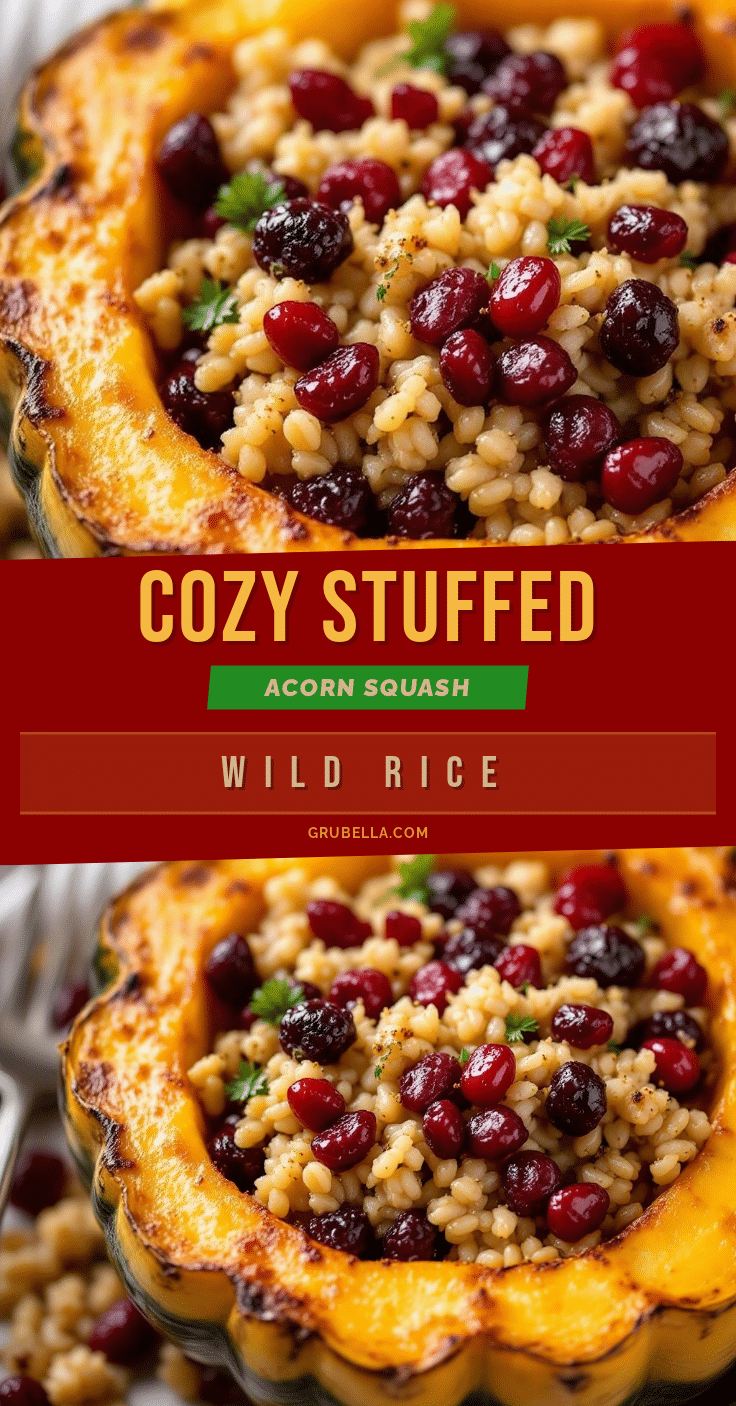
Cozy Stuffed Acorn Squash: Easy Wild Rice Recipe
A comforting fall main course featuring roasted acorn squash halves stuffed with a savory-sweet mixture of wild rice, toasted pecans, dried cranberries, and feta cheese.
- Prep Time: 15 minutes
- Cook Time: 90 minutes
- Total Time: 105 minutes
- Yield: 4 servings 1x
- Category: Main Course
- Cuisine: American
Ingredients
- 2 medium acorn squashes
- 1 cup dry wild rice
- 4 cups low-sodium vegetable broth
- 1 medium yellow onion, finely diced
- 3 cloves fresh garlic, minced
- 2 tablespoons fresh thyme leaves
- 1/2 cup dried cranberries
- 1/2 cup pecans, roughly chopped
- 1 cup crumbled feta cheese
- 2 tablespoons unsalted butter
- 1 tablespoon pure maple syrup
- 2 tablespoons extra virgin olive oil
- Salt and black pepper to taste
Instructions
- Preheat oven to 400°F (200°C). Line a large rimmed baking sheet with parchment paper.
- Wash squashes and cut in half lengthwise using a serrated knife. Scoop out seeds and pulp.
- Drizzle cut sides with olive oil and sprinkle with salt. Place cut-side down on baking sheet and roast for 30-40 minutes until tender.
- Flip squash halves cut-side up, brush with more olive oil and maple syrup, and set aside.
- In a saucepan, bring vegetable broth to a boil. Add wild rice, reduce heat to low, cover, and simmer for 40-45 minutes until rice opens up. Drain excess liquid and fluff with a fork.
- In a skillet, melt butter over medium heat. Sauté onion for 5-7 minutes until softened. Add garlic and thyme, cooking for 1 minute until fragrant.
- Remove skillet from heat. Stir in cooked wild rice, cranberries, and toasted pecans.
- Fold in half of the feta cheese and season with black pepper.
- Divide the rice mixture evenly among the four squash halves, packing gently.
- Sprinkle remaining feta cheese over the top.
- Broil on high for 5-7 minutes until cheese is melted and bubbly.
- Let cool for 5 minutes before serving.
Notes
Use a serrated knife to cut the squash safely. Toast pecans beforehand for better flavor. Do not overpack the squash to prevent splitting. Feta is salty, so taste the filling before adding extra salt. Can be made ahead by pre-roasting squash and prepping filling.
Nutrition
- Serving Size: 1 half squash
- Calories: 375
- Sugar: 12
- Sodium: 650
- Fat: 18
- Saturated Fat: 6
- Carbohydrates: 45
- Fiber: 7
- Protein: 10
Keywords: acorn squash, wild rice, stuffed squash, fall recipe, vegetarian main course, healthy dinner, gluten-free