Love this? Save it for later!
Share the inspiration with your friends
I figured the best way to make cinnamon rolls better was to just… make more of them. It took about one holiday brunch disaster for that assumption to fall apart completely. I had doubled the dough, spent two hours rolling and cutting, and ended up with a tray of perfectly respectable rolls that were cold before the second round of coffee was poured. The kitchen looked like a flour bomb had gone off, and I was too tired to enjoy the thing I’d worked so hard to make.
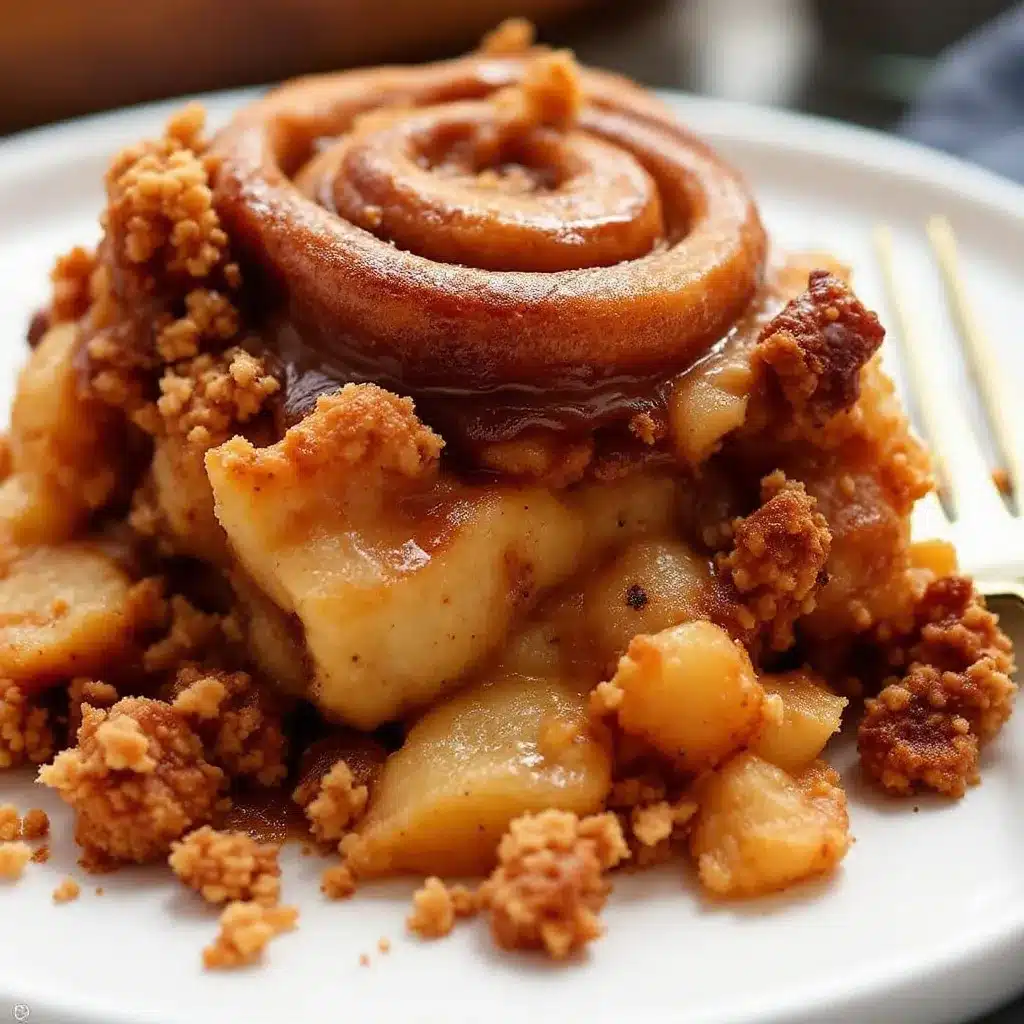
That’s when the casserole idea crept in. Not as a shortcut, but as a solution. What if you took all that gooey, cinnamon-sugar goodness, layered it into a dish, and let the bread soak up a custard overnight? The result isn’t a cinnamon roll, exactly — it’s better. It’s the soft, pull-apart center of every roll you’ve ever wanted, but without the fuss of individual shaping. The edges get slightly crisp, the middle stays pillowy, and that cream cheese icing seeps into every crevice.
Honestly, this easy overnight cinnamon roll casserole has become my secret weapon for hosting. You assemble it the night before, pop it in the oven while everyone’s still in pajamas, and suddenly you’re the hero of the morning without breaking a sweat. It’s the kind of breakfast that makes people close their eyes after the first bite, and I’m not exaggerating. I’ve seen it happen at least a dozen times.
Why You’ll Love This Recipe
This isn’t just another breakfast casserole. After testing this recipe more times than I care to admit — including one memorable attempt where I forgot the eggs entirely (don’t worry, it was inedible) — I landed on a version that actually works. Every. Single. Time.
Here’s what makes it stand out:
- No Yeast, No Proofing: We’re using refrigerated cinnamon rolls, so there’s zero dough anxiety. No waiting for things to rise, no worrying about water temperature.
- Overnight Magic: The custard soaks into every layer while you sleep. The result is this incredible texture — soft and tender in the middle, slightly crispy on top.
- Simple Pantry Ingredients: You need eggs, milk, cream, butter, and a tube of cinnamon rolls. That’s it. No trips to specialty stores.
- Perfect for Entertaining: This is the breakfast equivalent of a slow cooker meal. Prep it, forget it, bake it when you’re ready. I’ve served this at Christmas morning, Easter brunch, and even a lazy Saturday with friends.
- Crowd-Pleasing Texture: The edges caramelize into these sticky, almost crunchy bits, while the center stays custard-soft. It’s like the best part of a cinnamon roll, multiplied by ten.
What really sets this recipe apart is the custard-to-roll ratio. Most recipes drown the rolls or leave them dry. I spent weeks tweaking the numbers until the bread absorbed just enough liquid to become tender without turning into pudding. The cream cheese icing on top isn’t an afterthought — it’s a deliberate, generous layer that melts into the warm casserole and creates pockets of tangy sweetness.
This is the kind of breakfast that makes you feel like you’ve got it all together, even if you’re running on four hours of sleep. It’s comfort food that delivers on its promise, and honestly, that’s rare.
What Ingredients You Will Need
This recipe uses simple, readily available ingredients to create something that tastes far more complicated than it is. Here’s exactly what you need and why each one matters.
For the Casserole Base:
- 2 cans (12.4 oz each) refrigerated cinnamon rolls with icing — I recommend Pillsbury Grands! for the best texture and size. The key is getting the ones with the cream cheese icing, not the powdered sugar glaze. Save those icing tubs!
- 4 large eggs — Room temperature is best, as they incorporate more smoothly into the custard. If you forgot to take them out, place them in a bowl of warm water for 5 minutes.
- ½ cup (120 ml) heavy cream — This adds richness and helps create that custard-like texture. Half-and-half works in a pinch, but the casserole won’t be quite as decadent.
- ½ cup (120 ml) whole milk — Don’t go below 2% fat here. The fat content matters for the custard structure. I’ve tested this with oat milk, and while it works, the texture is noticeably less creamy.
- ¼ cup (50 g) granulated sugar — Just a touch to balance the custard. The rolls themselves are plenty sweet, so don’t be tempted to add more.
- 1 teaspoon vanilla extract — Pure vanilla, not imitation. It makes a difference in the overall flavor profile.
- 1 teaspoon ground cinnamon — Because you can never have too much cinnamon. I use Saigon cinnamon for its warm, slightly spicy kick.
- ¼ teaspoon salt — This counteracts the sweetness and helps the custard set properly. Don’t skip it.
For the Cream Cheese Icing Topping:
- 4 oz (113 g) cream cheese, softened — Full-fat is non-negotiable here. Low-fat cream cheese doesn’t melt the same way and can turn grainy.
- ¼ cup (56 g) unsalted butter, softened — This helps the icing spread smoothly and adds richness.
- 1 cup (120 g) powdered sugar — Sift it if you want a silky-smooth icing. I rarely do, and it’s still delicious.
- 1 teaspoon vanilla extract — Again, pure vanilla preferred.
- 2-3 tablespoons milk — To thin the icing to a drizzling consistency. Start with 2 and add more as needed.
Optional Add-Ins for Extra Flavor:
- ½ cup chopped pecans or walnuts — Toast them first for maximum crunch. I add these when I’m feeling fancy.
- ¼ cup raisins or dried cranberries — Not traditional, but the tartness cuts through the sweetness beautifully.
- 1 tablespoon bourbon or dark rum — Add this to the custard mixture for a grown-up twist. I tried this for a holiday brunch and it was a hit.
Ingredient Tips from My Kitchen: The quality of your cinnamon rolls matters more than you’d think. I’ve tried generic store brands, and they tend to be drier and less flavorful. Stick with Pillsbury or Annie’s organic version if you can find it. Also, if you’re using a glass baking dish, let it come to room temperature before pouring in the custard — thermal shock is real, and I’ve cracked a dish this way. Learn from my mistakes.
Equipment Needed
You don’t need a fancy kitchen for this recipe, which is part of why I love it. Here’s what you’ll need:
- 9×13-inch baking dish — Glass or ceramic works best. Metal pans can react with the custard and leave a metallic taste. I use a Pyrex dish that’s seen better days, and it performs perfectly.
- Large mixing bowl — For whisking the custard. Any bowl will do, but a wide one makes whisking easier.
- Whisk — A standard wire whisk is fine. No need for a stand mixer here.
- Spatula — To spread the icing. A rubber spatula makes cleanup easier.
- Knife or kitchen shears — For cutting the cinnamon rolls into quarters. Shears are actually faster and less messy.
- Plastic wrap or aluminum foil — To cover the dish overnight. Make sure it’s tight so the casserole doesn’t dry out.
- Measuring cups and spoons — For accuracy. Eyeballing works for some recipes, but custard ratios matter.
Budget-Friendly Alternatives: If you don’t have a 9×13 dish, you can use two 8×8 dishes or even a large cast-iron skillet. Just adjust the baking time slightly, as the casserole will be thicker in a smaller dish. I’ve also made this in disposable aluminum pans for potlucks, and it works great — just place the pan on a baking sheet for stability.
Preparation Method
This is the part where things come together. Follow these steps, and you’ll have a breakfast that looks like you spent hours on it — even though the real work happened while you were asleep.
Step 1: Prep the Cinnamon Rolls (5 minutes)
Open both cans of cinnamon rolls and set the icing tubs aside. You’ll need them later. Cut each cinnamon roll into quarters. I know it feels wrong to chop up perfectly good cinnamon rolls, but trust me. The smaller pieces create more surface area for the custard to soak into, and you get those wonderful caramelized edges everywhere. Use kitchen shears for this — it’s faster and less messy than using a knife.
Step 2: Arrange in the Baking Dish (3 minutes)
Grease your 9×13-inch baking dish with butter or non-stick spray. Scatter the quartered cinnamon roll pieces evenly across the dish. Don’t press them down — you want some space between pieces for the custard to flow. If you’re adding nuts or dried fruit, sprinkle them over the rolls now. I like to tuck a few pieces underneath the rolls so they get soft and plump during baking.
Step 3: Make the Custard (5 minutes)
In a large mixing bowl, whisk together the eggs, heavy cream, whole milk, granulated sugar, vanilla extract, cinnamon, and salt. Whisk until the mixture is smooth and the sugar has dissolved — about 30 seconds. The custard should look pale and slightly frothy. Don’t over-whisk, or you’ll incorporate too much air, which can make the casserole puff up and then collapse. I learned this the hard way after making a casserole that looked like a soufflé and deflated into a sad, flat pancake.
Step 4: Assemble and Soak (2 minutes)
Pour the custard evenly over the cinnamon roll pieces. Use your spatula to gently press down on any pieces sticking up — you want them mostly submerged. Cover the dish tightly with plastic wrap and refrigerate for at least 8 hours, or up to 24 hours. The longer it sits, the more the custard absorbs into the bread, resulting in a softer, more cohesive casserole.
Step 5: Bake the Casserole (35-40 minutes)
When you’re ready to bake, preheat your oven to 350°F (175°C). Remove the casserole from the fridge and let it sit on the counter while the oven heats — about 15 minutes. This takes the chill off and helps the casserole bake evenly. Bake uncovered for 35-40 minutes, or until the top is golden brown and the center is set. To check, insert a knife into the middle; it should come out clean or with just a few moist crumbs. The edges should be bubbling and caramelized.
Step 6: Make the Cream Cheese Icing (5 minutes)
While the casserole bakes, make the icing. In a medium bowl, beat the softened cream cheese and butter together until smooth and creamy. Add the powdered sugar and vanilla, and beat until combined. Add milk one tablespoon at a time until the icing reaches a pourable consistency. You want it thick enough to coat the back of a spoon but thin enough to drizzle. Taste it — if it’s not tangy enough, add a pinch of salt. If it’s too sweet, add another splash of milk.
Step 7: Ice and Serve (2 minutes)
Let the casserole cool for 5-10 minutes after baking. This is important — if you add the icing while the casserole is piping hot, it will melt into a puddle and disappear. Drizzle the cream cheese icing generously over the top. Don’t be shy. The icing should pool in the crevices and create little pockets of tangy sweetness. Serve warm, preferably with a fork and a cup of strong coffee.
Cooking Tips & Techniques
Over the years, I’ve made this casserole more times than I can count. Here are the things I wish someone had told me from the start.
Don’t Skip the Overnight Soak: I know it’s tempting to rush this, but the overnight rest is non-negotiable. The custard needs time to fully penetrate the bread. If you bake it too soon, you’ll end up with dry, floury patches in the middle. I once tried a “quick” version with a 2-hour soak, and it was a disaster — the top was burnt, and the inside was still raw. Not my finest moment.
Watch Your Oven Temperature: Every oven runs differently. If your casserole is browning too quickly on top but still jiggly in the center, tent it with foil for the last 10 minutes of baking. This prevents the top from burning while the middle finishes cooking. I’ve had to learn this the hard way more times than I’d like to admit.
Let It Rest Before Serving: The 5-10 minute rest after baking isn’t just for the icing. It allows the custard to set completely. If you cut into it too soon, the casserole will fall apart into a soupy mess. Patience pays off here.
Double the Icing: This is non-negotiable. The icing that comes with the cinnamon rolls is never enough. Making your own cream cheese icing is simple and elevates the entire dish. I’ve had guests ask for extra icing on the side, so I always make a double batch now.
Use Room Temperature Ingredients: For the custard, room temperature eggs and milk incorporate more smoothly. For the icing, room temperature cream cheese and butter cream together without lumps. If your cream cheese is cold, you’ll end up with a lumpy, sad icing. Microwave it in 10-second bursts if you’re in a hurry.
Variations & Adaptations
This recipe is incredibly flexible. Here are some of my favorite variations:
Apple Cinnamon Casserole: Peel and dice 2 medium apples (Granny Smith or Honeycrisp work best). Sauté them in butter with a tablespoon of brown sugar until soft. Layer them between the cinnamon roll pieces before adding the custard. The apples add a tartness that balances the sweetness beautifully. I make this version every fall, and it’s always a hit.
Pumpkin Spice Casserole: Add ½ cup of pumpkin puree to the custard mixture, along with 1 teaspoon of pumpkin pie spice. Reduce the milk by ¼ cup to compensate for the extra liquid. This version is perfect for Thanksgiving morning or a cozy autumn brunch. If you love pumpkin flavors, you might also enjoy my brown butter pumpkin cinnamon rolls for a more traditional take.
Chocolate Lover’s Casserole: Sprinkle ½ cup of chocolate chips over the cinnamon roll pieces before adding the custard. Use chocolate-flavored cinnamon rolls if you can find them. The chocolate melts into the custard and creates these amazing gooey pockets. It’s decadent, but sometimes that’s exactly what you need.
Gluten-Free Option: Use gluten-free refrigerated cinnamon rolls. The texture will be slightly different — a bit more crumbly — but the custard helps hold everything together. I’ve tested this with the Schar brand, and it works surprisingly well.
Dairy-Free Adaptation: Substitute the heavy cream with full-fat coconut cream, the milk with almond or oat milk, and use dairy-free cream cheese for the icing. The coconut flavor is subtle but adds a nice tropical note. Just make sure your cinnamon rolls are dairy-free as well — some brands contain butter.
Serving & Storage Suggestions
This casserole is best served warm, fresh from the oven. The contrast between the warm, custard-soaked bread and the cool, tangy icing is what makes it special. Here’s how to serve and store it:
Serving Temperature: Serve within 15 minutes of adding the icing. The casserole stays warm for about 30 minutes, so you have time to get everyone to the table. I like to serve it straight from the baking dish — it’s rustic and inviting.
Complementary Dishes: This casserole is rich, so pair it with something light. A fresh fruit salad with berries and mint cuts through the sweetness. A side of crispy bacon or breakfast sausage adds a savory element. For drinks, strong coffee, cold brew, or a mimosa are all excellent choices. If you’re hosting a bigger brunch, consider serving it alongside my make-ahead egg muffins for a balanced spread.
Storage: Leftovers can be stored in an airtight container in the refrigerator for up to 3 days. The texture will soften as it sits, but it’s still delicious. To reheat, microwave individual portions for 30-45 seconds, or reheat the entire casserole in a 300°F oven for 10-15 minutes. Add a splash of milk before reheating to restore some moisture.
Freezing: This casserole freezes surprisingly well. Bake it without the icing, let it cool completely, then wrap it tightly in plastic wrap and foil. Freeze for up to 3 months. To serve, thaw overnight in the refrigerator, reheat in a 350°F oven until warmed through, then add the fresh icing. The texture won’t be quite as good as fresh, but it’s still a solid option for busy mornings.
Flavor Development: Interestingly, the flavors meld and deepen overnight. Leftovers the next day have a more pronounced cinnamon and vanilla flavor. Some people actually prefer day-old casserole for this reason. I’m not one of them — I’m a fresh-from-the-oven purist — but I respect the opinion.
Nutritional Information & Benefits
Let’s be real — this is a treat. It’s not health food, and it’s not pretending to be. But here’s the nutritional breakdown if you’re curious:
Per Serving (based on 12 servings):
- Calories: 420
- Fat: 22g
- Saturated Fat: 12g
- Cholesterol: 115mg
- Sodium: 480mg
- Carbohydrates: 52g
- Fiber: 1g
- Sugar: 32g
- Protein: 8g
Health Considerations: This recipe contains dairy, gluten, and eggs. For those with dietary restrictions, see the variations section above for alternatives. If you’re watching your sugar intake, you can reduce the icing sugar by half, but honestly, the sweetness is part of the experience.
The Bright Side: The eggs and milk provide a decent amount of protein and calcium. The cinnamon has anti-inflammatory properties. And honestly, there’s something to be said for the mental health benefits of a warm, indulgent breakfast shared with people you love. Sometimes that’s the most important nutrient of all.
Portion Control Tip: This casserole is rich. One serving is usually enough to satisfy, even for big eaters. I cut it into 12 pieces, and there are rarely leftovers. If you’re serving a crowd, consider pairing it with lighter options like fresh fruit or yogurt to balance the meal.
Conclusion
This easy overnight cinnamon roll casserole has become my go-to for any occasion that calls for something special. It’s the recipe I turn to when I want to impress without stress, when I want to sleep in but still serve something that feels like a celebration. It’s forgiving, flexible, and consistently delicious — three qualities that matter more than any fancy technique.
I love that this recipe lets me be a host who’s actually present at the table, not stuck in the kitchen. I love that it makes people happy with minimal effort. And I really love that first bite, when the warm, cinnamon-spiced custard meets the tangy cream cheese icing, and everything just clicks into place.
Try it for your next holiday morning, your next lazy weekend, or just because it’s Tuesday and you deserve something good. Customize it with your favorite add-ins, make it your own, and let me know how it turns out. Drop a comment below, share your photos, or tag me in your creations. I’d love to hear about your version of this cozy, crowd-pleasing breakfast. Happy baking!
Frequently Asked Questions
Can I make this casserole the same day instead of overnight?
You can, but the texture won’t be the same. A minimum of 4 hours of soaking is needed for the custard to penetrate the bread. If you’re in a rush, cut the cinnamon rolls into smaller pieces to increase surface area and reduce soaking time to 2 hours. Just don’t expect the same pillowy softness — it’ll be more like a bread pudding than a custard-soaked casserole.
Can I use homemade cinnamon rolls instead of refrigerated ones?
Absolutely! Use your favorite homemade cinnamon roll recipe, but make sure they’re slightly underbaked before assembling the casserole. Fully baked rolls will absorb less custard and can become dry. If you’re making them from scratch, bake for about half the recommended time, let them cool, then proceed with the recipe.
Why did my casserole turn out soggy?
This usually happens for one of two reasons: too much custard or not enough baking time. Make sure you’re using the exact measurements in the recipe — it’s easy to accidentally add extra milk or cream. Also, check that your oven is at the right temperature. An oven that runs cool will leave the casserole underbaked and wet in the center.
Can I add the icing before baking?
I don’t recommend it. The icing will melt into the casserole and lose its distinct flavor and texture. It’s much better to add it after baking, when it can create those beautiful pools of tangy sweetness on top. If you want a sweeter casserole, sprinkle a little brown sugar over the top before baking instead.
How do I prevent the top from burning before the center is cooked?
If your casserole is browning too quickly, tent it loosely with aluminum foil for the last 10-15 minutes of baking. This allows the center to continue cooking without the top getting too dark. Also, make sure your casserole dish isn’t too close to the top heating element — the middle rack is ideal.
Pin This Recipe!
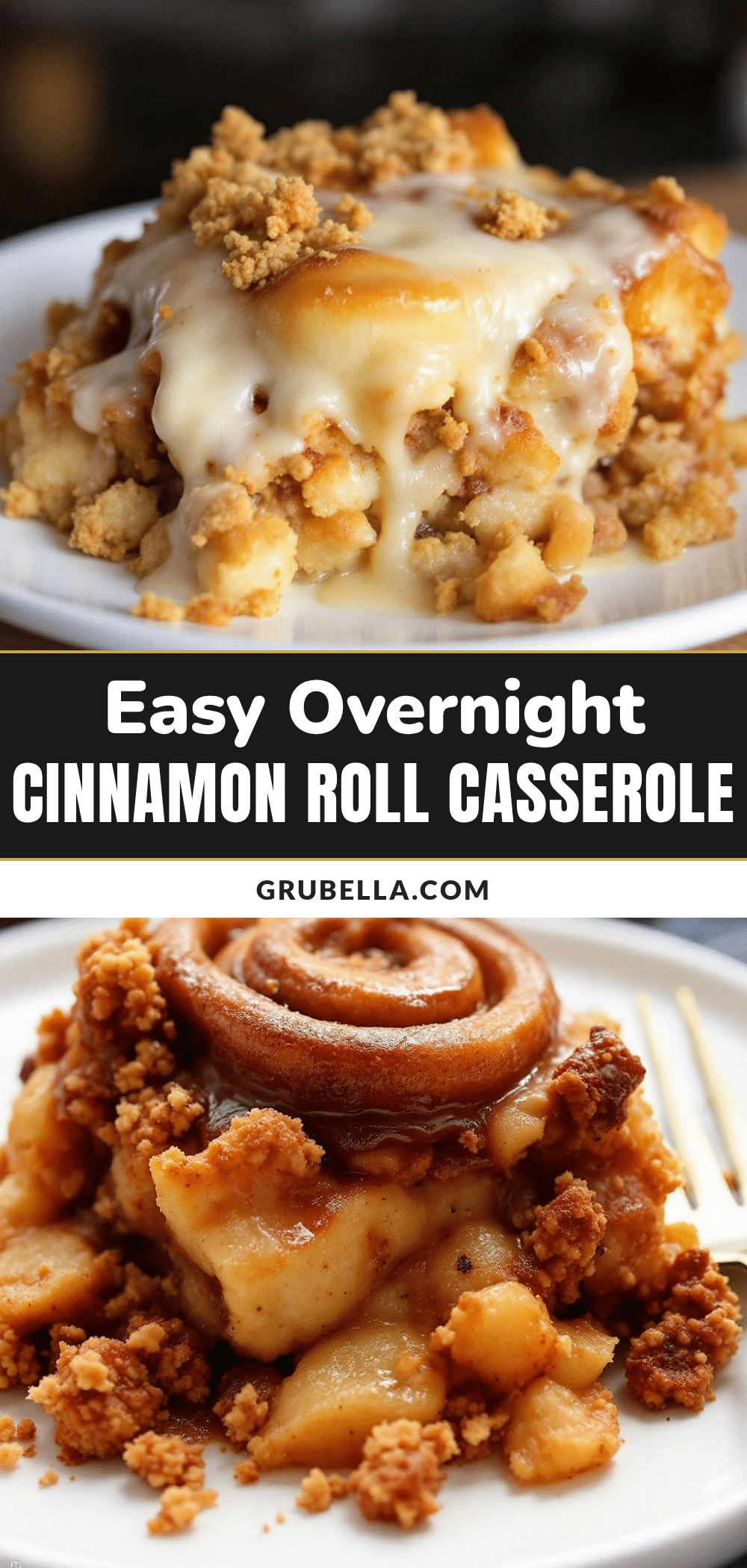
Easy Overnight Cinnamon Roll Casserole (Best Recipe)

This easy overnight cinnamon roll casserole uses refrigerated cinnamon rolls soaked in a rich custard, baked until golden, and topped with a homemade cream cheese icing. It’s the perfect make-ahead breakfast for holidays, brunches, or lazy weekends.
- Prep Time: 15 minutes
- Cook Time: 35-40 minutes
- Total Time: 8 hours 50 minutes (includes overnight soak)
- Yield: 12 servings 1x
- Category: Breakfast
- Cuisine: American
Ingredients
- 2 cans (12.4 oz each) refrigerated cinnamon rolls with icing
- 4 large eggs, room temperature
- ½ cup (120 ml) heavy cream
- ½ cup (120 ml) whole milk
- ¼ cup (50 g) granulated sugar
- 1 teaspoon vanilla extract
- 1 teaspoon ground cinnamon
- ¼ teaspoon salt
- 4 oz (113 g) cream cheese, softened
- ¼ cup (56 g) unsalted butter, softened
- 1 cup (120 g) powdered sugar
- 1 teaspoon vanilla extract
- 2–3 tablespoons milk
- ½ cup chopped pecans or walnuts (optional)
- ¼ cup raisins or dried cranberries (optional)
- 1 tablespoon bourbon or dark rum (optional)
Instructions
- Prep the cinnamon rolls: Open both cans of cinnamon rolls and set the icing tubs aside. Cut each cinnamon roll into quarters using kitchen shears or a knife.
- Arrange in the baking dish: Grease a 9×13-inch baking dish with butter or non-stick spray. Scatter the quartered cinnamon roll pieces evenly across the dish. If using nuts or dried fruit, sprinkle them over the rolls now.
- Make the custard: In a large mixing bowl, whisk together eggs, heavy cream, whole milk, granulated sugar, vanilla extract, cinnamon, and salt until smooth and slightly frothy, about 30 seconds.
- Assemble and soak: Pour the custard evenly over the cinnamon roll pieces. Gently press down any pieces sticking up so they are mostly submerged. Cover tightly with plastic wrap and refrigerate for at least 8 hours, up to 24 hours.
- Bake the casserole: Preheat oven to 350°F (175°C). Remove casserole from fridge and let sit on counter for 15 minutes. Bake uncovered for 35-40 minutes, until top is golden brown and center is set. Insert a knife into the middle; it should come out clean or with a few moist crumbs.
- Make the cream cheese icing: In a medium bowl, beat softened cream cheese and butter until smooth. Add powdered sugar and vanilla, beat until combined. Add milk one tablespoon at a time until icing reaches a pourable consistency.
- Ice and serve: Let casserole cool for 5-10 minutes. Drizzle cream cheese icing generously over the top. Serve warm.
Notes
Don’t skip the overnight soak; the custard needs time to fully penetrate the bread. If browning too quickly, tent with foil for the last 10 minutes. Let rest 5-10 minutes before serving to allow custard to set. Double the icing for extra coverage.
Nutrition
- Serving Size: 1 piece (1/12 of cas
- Calories: 420
- Sugar: 32
- Sodium: 480
- Fat: 22
- Saturated Fat: 12
- Carbohydrates: 52
- Fiber: 1
- Protein: 8
Keywords: overnight cinnamon roll casserole, easy breakfast casserole, make-ahead brunch, cinnamon roll casserole, cream cheese icing