Love this? Save it for later!
Share the inspiration with your friends
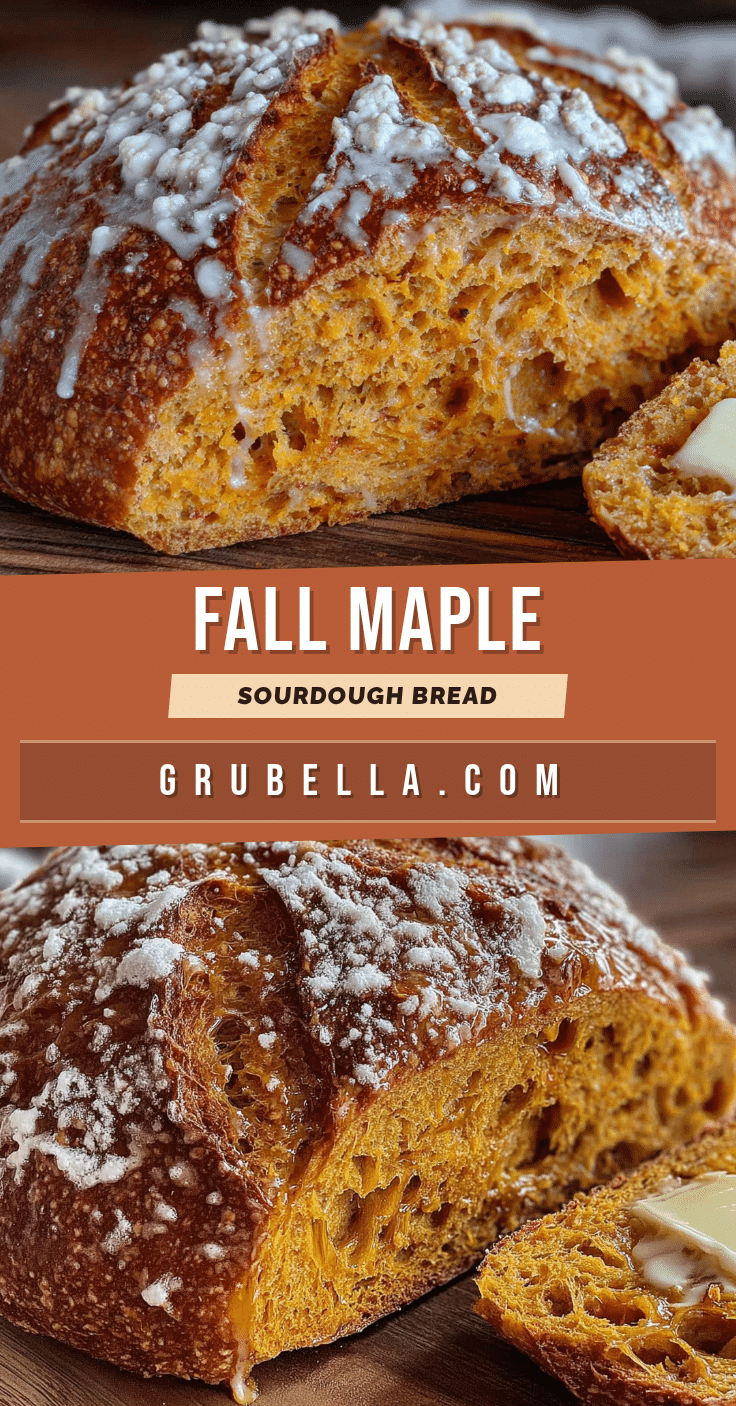
There used to be a tiny bakery tucked between a dry cleaner and a used bookstore in my old neighborhood—the kind of place with mismatched chairs and a chalkboard menu that changed with the seasons. Every October, they’d roll out this maple pumpkin bread that was absolutely unforgettable. The scent alone would stop you at the door. When they closed suddenly two years ago—the owner retired, moved to Portugal—I honestly felt a little lost. That bread was my fall tradition. After twelve tries—some gummy, one that somehow tasted like soap—I finally cracked the code. This Cozy Maple Pumpkin Sourdough Discard Bread is it. The one that brings back that exact feeling of sitting in that dusty little bakery with a steaming mug and the whole season ahead of you. And the secret? It uses your sourdough discard. I mean, who knew the thing you were about to toss could create something this good?
Let me tell you, the first time I pulled a successful loaf out of the oven, I actually texted a picture to my sister with the caption, “We’re back.” She didn’t get it. But you will. This bread has that perfect tender crumb, a whisper of tang from the discard, and a cozy maple-pumpkin flavor that tastes like fall in a slice. If you’ve been staring at your jar of sourdough discard wondering what to do with it, this is your answer. Maybe you’ve been there—staring at that jar, feeling guilty about throwing it away, but not wanting another plain loaf of bread. I get it. This recipe solves that problem and gives you something genuinely special in return.
Why You’ll Love This Recipe
This isn’t just another pumpkin bread recipe. I’ve tested this more times than I care to admit, and here’s why it’s become my go-to fall bake.
- Uses Up Sourdough Discard: No more guilt over tossing that unfed starter. This recipe puts it to perfect use, adding a subtle tang that balances the sweet maple and pumpkin beautifully.
- Incredibly Moist & Tender: The combination of pumpkin puree and sourdough discard creates a texture that’s soft, tender, and stays fresh for days. It’s not dry or crumbly like some pumpkin breads can be.
- Perfectly Spiced, Not Overpowering: The maple and pumpkin flavors shine without being cloying. It’s warm, cozy, and tastes like autumn in every bite.
- Simple Ingredients: You likely have most of these in your pantry. No weird specialty items—just real, good food.
- Great for Gifting: This bread makes an amazing homemade gift. Wrap it up with a ribbon and you’ll be everyone’s favorite person this fall.
- Foolproof for Beginners: Even if you’re new to baking with sourdough discard, this recipe is forgiving and straightforward. I’ve had friends with zero sourdough experience nail it on the first try.
Honestly, what makes this recipe different is the balance. The sourdough discard isn’t just there to use up leftovers—it actually improves the bread. It adds a gentle complexity that makes you wonder, “What is that flavor?” It’s not sour like a loaf of bread, just a pleasant, subtle tang that makes the maple taste even better. This is the kind of bread that makes you close your eyes after the first bite. It’s comfort food reimagined—cozier, more interesting, and deeply satisfying.
What Ingredients You Will Need
This recipe uses simple, wholesome ingredients to deliver that cozy fall flavor you’re craving. Most are pantry staples, and the sourdough discard is the star that ties it all together.
- All-Purpose Flour: 2 cups (240g). The backbone of the bread. I usually use King Arthur Flour for consistent results, but any good all-purpose flour works.
- Baking Soda: 1 teaspoon. Helps the bread rise and gives it that tender crumb. Make sure it’s fresh—test it by dropping a pinch in vinegar; it should bubble vigorously.
- Baking Powder: 1 teaspoon. Adds extra lift alongside the baking soda.
- Salt: 1/2 teaspoon. Balances the sweetness and enhances all the flavors.
- Ground Cinnamon: 2 teaspoons. The warm, familiar spice that makes fall baking feel like home.
- Ground Nutmeg: 1/2 teaspoon. Adds that slightly sweet, nutty warmth. Freshly grated is amazing if you have it.
- Ground Ginger: 1/2 teaspoon. A little zing that brightens up the spice blend.
- Ground Cloves: 1/4 teaspoon. Just a pinch—cloves are potent, but they add that deep, almost mysterious warmth.
- Unsalted Butter: 1/2 cup (113g), melted and slightly cooled. Adds richness and moisture. You can use salted butter, just reduce the added salt to 1/4 teaspoon.
- Brown Sugar: 1 cup (200g), packed. I prefer light brown sugar for its mild molasses flavor that pairs beautifully with maple and pumpkin.
- Large Eggs: 2, at room temperature. They help bind everything together and add structure. If you forget to take them out of the fridge, place them in a bowl of warm water for 5 minutes.
- Pure Maple Syrup: 1/2 cup (120ml). Use the real stuff, not pancake syrup. Grade A dark amber is fantastic for baking—its robust flavor stands up to the other ingredients.
- Pumpkin Puree: 1 cup (245g). Not pumpkin pie filling—make sure you grab 100% pure pumpkin puree. Libby’s is my go-to brand for consistent texture and flavor.
- Vanilla Extract: 1 teaspoon. Pure vanilla adds depth and rounds out the flavors.
- Sourdough Discard: 1 cup (250g), unfed and at room temperature. This is the magic ingredient. It adds moisture, a subtle tang, and helps create that perfect tender crumb. It doesn’t need to be active—just your unfed discard straight from the fridge works beautifully.
Equipment Needed
You don’t need a fancy bakery setup for this recipe. Here’s what you’ll need:
- 9×5-inch Loaf Pan: The standard size for this bread. I love my USA Pan loaf pan—it’s sturdy and releases baked goods perfectly every time. If you only have an 8×4-inch pan, just know the bread will take a bit longer to bake and may have a higher dome.
- Mixing Bowls: One large bowl for the dry ingredients and one medium bowl for the wet ingredients. Glass or stainless steel work great.
- Whisk: For combining your dry ingredients and smoothing out your wet ingredients.
- Rubber Spatula: Essential for folding the wet and dry ingredients together without overmixing.
- Measuring Cups and Spoons: For accurate measurements. A kitchen scale is even better for precision, especially for the flour and sourdough discard.
- Parchment Paper: Line your loaf pan for easy removal. It’s a small step that saves a lot of frustration.
- Cooling Rack: Allows air to circulate around the bread so it cools evenly and doesn’t get soggy on the bottom.
If you don’t have a loaf pan, you could technically bake this in an 8×8-inch square pan, but you’ll need to adjust the baking time. I tried it once in a pinch, and it worked, but the texture was slightly different—still delicious, just not as tall and classic loaf-shaped.
Preparation Method
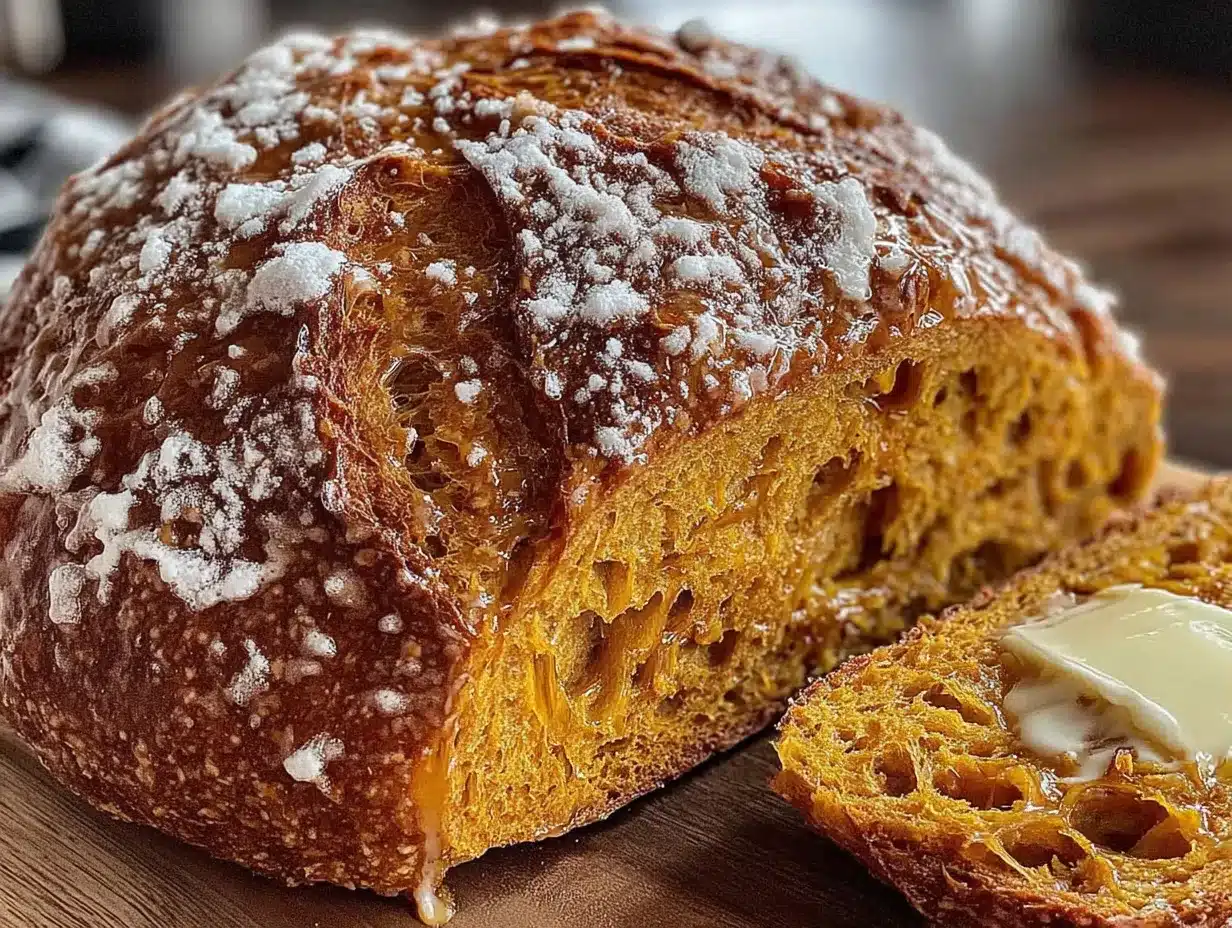
Let’s get baking! This recipe comes together in about 15 minutes of active prep time, then the oven does the rest.
- Preheat and Prepare: Preheat your oven to 350°F (175°C). Line your 9×5-inch loaf pan with parchment paper, leaving a bit of overhang on the long sides—this creates handles for lifting the bread out later. Lightly grease the parchment with butter or non-stick spray.
- Combine Dry Ingredients: In a large mixing bowl, whisk together the 2 cups all-purpose flour, 1 teaspoon baking soda, 1 teaspoon baking powder, 1/2 teaspoon salt, 2 teaspoons cinnamon, 1/2 teaspoon nutmeg, 1/2 teaspoon ginger, and 1/4 teaspoon cloves. Whisk until everything is evenly distributed. This ensures you don’t get a pocket of baking soda in your final bread.
- Mix Wet Ingredients: In a separate medium bowl, whisk together the 1/2 cup melted butter and 1 cup packed brown sugar until smooth and well combined. The mixture should look like wet sand. Add the 2 room-temperature eggs and whisk vigorously until the mixture is smooth and slightly thickened, about 30 seconds.
- Add the Flavor: Whisk in the 1/2 cup pure maple syrup, 1 cup pumpkin puree, and 1 teaspoon vanilla extract. The mixture will become a beautiful, rich orange color. Finally, add the 1 cup sourdough discard and whisk until fully incorporated. Don’t worry if the mixture looks a little curdled—that’s normal when you add cold discard to a warm butter mixture.
- Combine Wet and Dry: Pour the wet ingredients into the bowl with the dry ingredients. Using a rubber spatula, gently fold the mixture together. Use a scraping motion along the bottom and sides of the bowl. Stop mixing as soon as you see no more streaks of flour. A few small lumps are perfectly fine. Overmixing at this stage will result in a tough, dense bread.
- Fill the Pan: Pour the batter into your prepared loaf pan. Use the spatula to spread it evenly into the corners. The batter will be thick and luscious—this is a good sign.
- Bake: Place the pan in the preheated oven and bake for 50 to 60 minutes. The bread is done when a toothpick inserted into the center comes out clean or with just a few moist crumbs attached. If the top is browning too quickly after 35 minutes, tent the pan loosely with aluminum foil.
- Cool: Let the bread cool in the pan on a wire rack for 15 minutes. Then, using the parchment paper handles, lift the bread out of the pan and transfer it directly to the wire rack to cool completely. Resist the urge to slice it while it’s still warm—it needs time to set, or it will crumble.
I once got distracted by a phone call and forgot to add the sourdough discard. The bread was still okay, but it was denser and lacked that subtle tang that makes this recipe special. So, trust me, don’t skip it!
Cooking Tips & Techniques
After making this bread more times than I can count, I’ve picked up a few tricks that make a real difference.
Room Temperature Ingredients Matter: I know, it’s annoying to wait. But cold eggs and cold sourdough discard can seize the melted butter, creating a lumpy batter that doesn’t bake evenly. Take everything out of the fridge 30 minutes before you start. Your batter will come together smoothly, and your bread will bake more evenly.
Don’t Overmix: This is the number one mistake I see people make. Once you combine the wet and dry ingredients, mix just until the flour disappears. Overmixing develops the gluten too much, and you’ll end up with a tough, rubbery bread instead of a tender, moist one. A few streaks of flour are better than a tough loaf.
Check for Doneness Early: Ovens vary wildly. Start checking your bread at the 50-minute mark. Insert a toothpick into the center—if it comes out clean or with a few moist crumbs, it’s done. If it’s still wet batter, give it 5 more minutes and check again. My old oven took a full 60 minutes, but my new one is done at 52 minutes. You have to know your oven.
Let It Cool Completely: This is the hardest part, I know. The smell is intoxicating. But slicing into warm bread will give you a gummy, crumbly mess. The bread needs time to finish setting up as it cools. I usually bake it in the evening and let it cool overnight. By morning, it’s perfect for slicing.
Use a Kitchen Scale: If you have one, use it for the flour and sourdough discard. Measuring flour by volume can be inconsistent—you might pack in more than you need, resulting in a dry bread. A scale takes the guesswork out. I learned this the hard way after a few disappointingly dry loaves.
Variations & Adaptations
This recipe is wonderfully adaptable. Here are some variations I’ve tried and loved.
- Chocolate Chip Maple Pumpkin Bread: Fold in 1 cup of semi-sweet chocolate chips with the dry ingredients. The chocolate adds a rich, bittersweet note that pairs beautifully with the maple and pumpkin. My kids beg for this version.
- Gluten-Free Option: Substitute the all-purpose flour with a good 1:1 gluten-free baking flour blend (one that contains xanthan gum). I’ve used Bob’s Red Mill 1:1 Baking Flour with great results. The texture is slightly more crumbly, but the flavor is still spot-on.
- Vegan Adaptation: Replace the butter with melted coconut oil or vegan butter. Use two flax eggs (2 tablespoons ground flaxseed mixed with 6 tablespoons water, let sit for 5 minutes to gel) instead of regular eggs. The bread will be a little denser but still delicious and moist.
- Nutty Maple Pumpkin Bread: Fold in 1/2 cup of toasted pecans or walnuts along with the dry ingredients. The crunch adds a lovely texture contrast. I make this version for Thanksgiving brunch, and it always disappears quickly.
- Extra Maple Glaze: For a sweeter, more decadent loaf, whisk together 1/2 cup powdered sugar, 2 tablespoons maple syrup, and 1 tablespoon milk. Drizzle over the cooled bread. It’s a beautiful finishing touch that makes it feel extra special.
One fall, I tried adding dried cranberries and orange zest—it was fantastic, like a Thanksgiving loaf. Don’t be afraid to experiment. This recipe is forgiving enough to handle your creative twists.
Serving & Storage Suggestions
This bread is wonderful in so many ways. Here’s how I like to serve and store it.
Serving: Serve at room temperature or slightly warmed. A thick slice is perfect on its own, but it’s also amazing toasted with a pat of butter. For a real treat, spread it with cream cheese or apple butter. It’s fantastic with a hot cup of coffee, a chai latte, or a glass of cold milk. This bread shines at brunch, as an afternoon snack, or even as a simple dessert with a dollop of whipped cream.
Storage: Store the cooled bread tightly wrapped in plastic wrap or in an airtight container at room temperature for up to 4 days. The flavors actually deepen and meld together after a day or two, so it gets even better. I’ve found that wrapping it in beeswax wrap keeps it perfectly moist without getting soggy.
Freezing: This bread freezes beautifully. Wrap the cooled loaf (or individual slices) tightly in plastic wrap, then in a layer of aluminum foil. Freeze for up to 3 months. To thaw, leave it at room temperature for a few hours or pop a slice in the toaster. I always keep a loaf in the freezer for unexpected guests or when I need a quick taste of fall in the middle of winter.
Reheating: For a just-baked experience, warm slices in a 300°F (150°C) oven for 5-7 minutes, or toast them in a toaster oven. The edges get slightly crisp while the inside stays soft and tender. Avoid the microwave—it can make the bread rubbery.
Nutritional Information & Benefits
Here’s an approximate nutritional breakdown per slice (based on 10 slices):
| Nutrient | Amount per Slice |
|---|---|
| Calories | 290 |
| Fat | 11g |
| Saturated Fat | 6g |
| Carbohydrates | 44g |
| Fiber | 2g |
| Sugar | 24g |
| Protein | 5g |
This bread isn’t health food, but it does have some redeeming qualities. Pumpkin is packed with vitamin A and fiber, which is good for your eyes and digestion. Sourdough fermentation can make the nutrients in grains more bioavailable and may be easier to digest for some people. Maple syrup contains antioxidants and minerals like zinc and manganese. Of course, it’s still a sweet treat, so enjoy it in moderation. I like to think of it as a wholesome indulgence—a slice of comfort that also gives you a little something good.
If you’re watching your sugar intake, you can reduce the brown sugar to 3/4 cup and the maple syrup to 1/3 cup. The bread will be less sweet but still flavorful, especially if you add the chocolate chips or nuts for extra flavor.
Conclusion
This Cozy Maple Pumpkin Sourdough Discard Bread is more than just a recipe—it’s a little piece of fall that you can bake right in your own kitchen. It solves the eternal problem of what to do with sourdough discard, it fills your home with the most incredible aroma, and it tastes like all the best parts of the season. Whether you’re recreating a memory from a beloved bakery or just looking for a new fall favorite, this bread delivers.
I’d love to hear how it turns out for you. Did you add chocolate chips? Try the vegan version? Slather it with butter and eat it while standing at the counter? (No judgment—I’ve been there.) Drop a comment below and let me know your twist. And if you share a photo on social media, tag me—I want to see your beautiful loaves. Happy baking, friends. May your kitchen smell like maple and pumpkin, and may every slice bring you a little bit of cozy.
Frequently Asked Questions
Can I use active sourdough starter instead of discard?
Yes, you can! If your starter is active and bubbly, use it straight from its feeding. The bread will be slightly less tangy but still delicious. You might not need as much baking soda since the active starter has more natural leavening power, but I’ve used it both ways without issue.
My bread sank in the middle. What went wrong?
This usually happens if the bread is underbaked. Make sure you test it with a toothpick in the center. It can also happen if you open the oven door too often during baking, which lets cold air in and causes the loaf to collapse. Try to resist peeking until the 50-minute mark.
Can I use pumpkin pie spice instead of the individual spices?
Absolutely. Substitute the cinnamon, nutmeg, ginger, and cloves with 2 to 3 teaspoons of pumpkin pie spice, depending on how spiced you like it. I recommend starting with 2 teaspoons and tasting the batter (it’s safe to eat a tiny bit) to see if you want more.
How do I know if my sourdough discard is still good to use?
If your discard has been in the fridge for a while, give it a sniff. It should smell pleasantly sour, like yogurt or sourdough bread. If it smells like acetone or nail polish remover, it’s still safe to use but might be past its prime for flavor. If it has any mold or an off, putrid smell, toss it and start fresh.
Can I make this into muffins instead of a loaf?
Yes! This batter makes about 12 standard muffins. Fill greased muffin cups about 3/4 full and bake at 350°F (175°C) for 18-22 minutes, or until a toothpick inserted in the center comes out clean. Muffins are great for portion control and bake much faster than a loaf. My kids love them for school lunches.
Pin This Recipe!
Cozy Maple Pumpkin Sourdough Discard Bread
This tender, moist quick bread uses sourdough discard to create a subtly tangy, perfectly spiced fall treat. It’s an easy, foolproof recipe that fills your home with the cozy aroma of maple and pumpkin.
- Prep Time: 15 minutes
- Cook Time: 55 minutes
- Total Time: 1 hour 10 minutes
- Yield: 10 servings 1x
- Category: Quick Bread
- Cuisine: American
Ingredients
- 2 cups (240g) all-purpose flour
- 1 teaspoon baking soda
- 1 teaspoon baking powder
- 1/2 teaspoon salt
- 2 teaspoons ground cinnamon
- 1/2 teaspoon ground nutmeg
- 1/2 teaspoon ground ginger
- 1/4 teaspoon ground cloves
- 1/2 cup (113g) unsalted butter, melted and slightly cooled
- 1 cup (200g) packed light brown sugar
- 2 large eggs, at room temperature
- 1/2 cup (120ml) pure maple syrup
- 1 cup (245g) pumpkin puree (not pumpkin pie filling)
- 1 teaspoon vanilla extract
- 1 cup (250g) sourdough discard, unfed and at room temperature
Instructions
- Preheat oven to 350°F (175°C). Line a 9×5-inch loaf pan with parchment paper, leaving overhang on the long sides. Lightly grease the parchment with butter or non-stick spray.
- In a large bowl, whisk together flour, baking soda, baking powder, salt, cinnamon, nutmeg, ginger, and cloves until evenly distributed.
- In a separate medium bowl, whisk together melted butter and brown sugar until smooth. Add eggs and whisk vigorously until smooth and slightly thickened, about 30 seconds.
- Whisk in maple syrup, pumpkin puree, and vanilla extract until combined. Add sourdough discard and whisk until fully incorporated.
- Pour wet ingredients into dry ingredients. Using a rubber spatula, gently fold together until just combined and no streaks of flour remain. Do not overmix.
- Pour batter into prepared loaf pan and spread evenly.
- Bake for 50-60 minutes, until a toothpick inserted in the center comes out clean or with a few moist crumbs. If top browns too quickly after 35 minutes, tent loosely with foil.
- Cool in pan on a wire rack for 15 minutes. Using parchment handles, lift bread out and transfer to wire rack to cool completely before slicing.
Notes
Room temperature ingredients are important for a smooth batter. Do not overmix. Let bread cool completely before slicing to avoid a gummy texture. For a sweeter loaf, drizzle with a maple glaze (1/2 cup powdered sugar, 2 tbsp maple syrup, 1 tbsp milk).
Nutrition
- Serving Size: 1 slice
- Calories: 290
- Sugar: 24
- Sodium: 280
- Fat: 11
- Saturated Fat: 6
- Carbohydrates: 44
- Fiber: 2
- Protein: 5
Keywords: sourdough discard, pumpkin bread, maple, fall recipe, quick bread, sourdough discard recipe, pumpkin sourdough bread