Love this? Save it for later!
Share the inspiration with your friends
Introduction
“I wasn’t planning on making a salad that Tuesday afternoon,” I admit. The power flickered just as I reached for my usual lunch fix, and with the fridge temporarily out of commission, I had to improvise. I rummaged through my pantry and fridge, pulling out some random veggies and a jar of sauerkraut someone had gifted me the week before. Honestly, I was skeptical—it wasn’t exactly the lunch I had in mind. But as I tossed everything together, I realized I was onto something surprisingly delicious and refreshingly light. That’s how this Fresh Prebiotic Salad for Gut-Friendly Fiber Boost came to be—born out of a power outage and a pinch of kitchen curiosity.
You know that feeling when you bite into something crisp, tangy, and bursting with layers of flavor that just seem to make your stomach smile? Yeah, that. This salad isn’t just a side dish; it’s a gut-friendly fiber bomb that whispers “health” with every crunchy bite. Maybe you’ve been there too—trying to eat cleaner but feeling stuck in the same old boring salad loop. Let me tell you, this recipe changed the game for me. It’s easy, vibrant, and packed with prebiotic ingredients that your digestive system will thank you for. Plus, it’s perfect for those days when you want something fresh but don’t want to spend hours in the kitchen.”
Why You’ll Love This Recipe
After several rounds of testing this Fresh Prebiotic Salad, I can confidently say it’s one of those recipes that just feels right—whether you’re a seasoned salad lover or someone who usually skips the greens.
- Quick & Easy: Comes together in under 15 minutes, perfect for busy weeknights or last-minute lunch cravings.
- Simple Ingredients: Uses everyday pantry and fridge staples, no need for fancy or hard-to-find items.
- Perfect for Any Occasion: Whether it’s a light lunch, a side for grilled chicken, or a potluck contribution, this salad fits right in.
- Crowd-Pleaser: The tangy crunch combined with the subtle sweetness always gets compliments from family and friends.
- Unbelievably Delicious: The mix of fresh veggies, fermented goodness, and a zesty dressing creates a flavor combo that’s truly satisfying.
What makes this salad stand out? It’s not just a bowl of greens. The star here is the prebiotic fiber—ingredients like chicory root, Jerusalem artichokes, and fermented sauerkraut that feed your gut bacteria and support digestion. I’ve played with countless salad recipes, but this one strikes the perfect balance of texture, flavor, and health benefits. Honestly, it’s my go-to when I want to feel nourished without feeling weighed down.
And you know, it’s one of those dishes that makes you close your eyes after the first bite because the freshness hits just right. It’s comfort food that’s light, vibrant, and incredibly satisfying. This recipe has stayed with me because it makes eating gut-friendly both approachable and delicious.
What Ingredients You Will Need
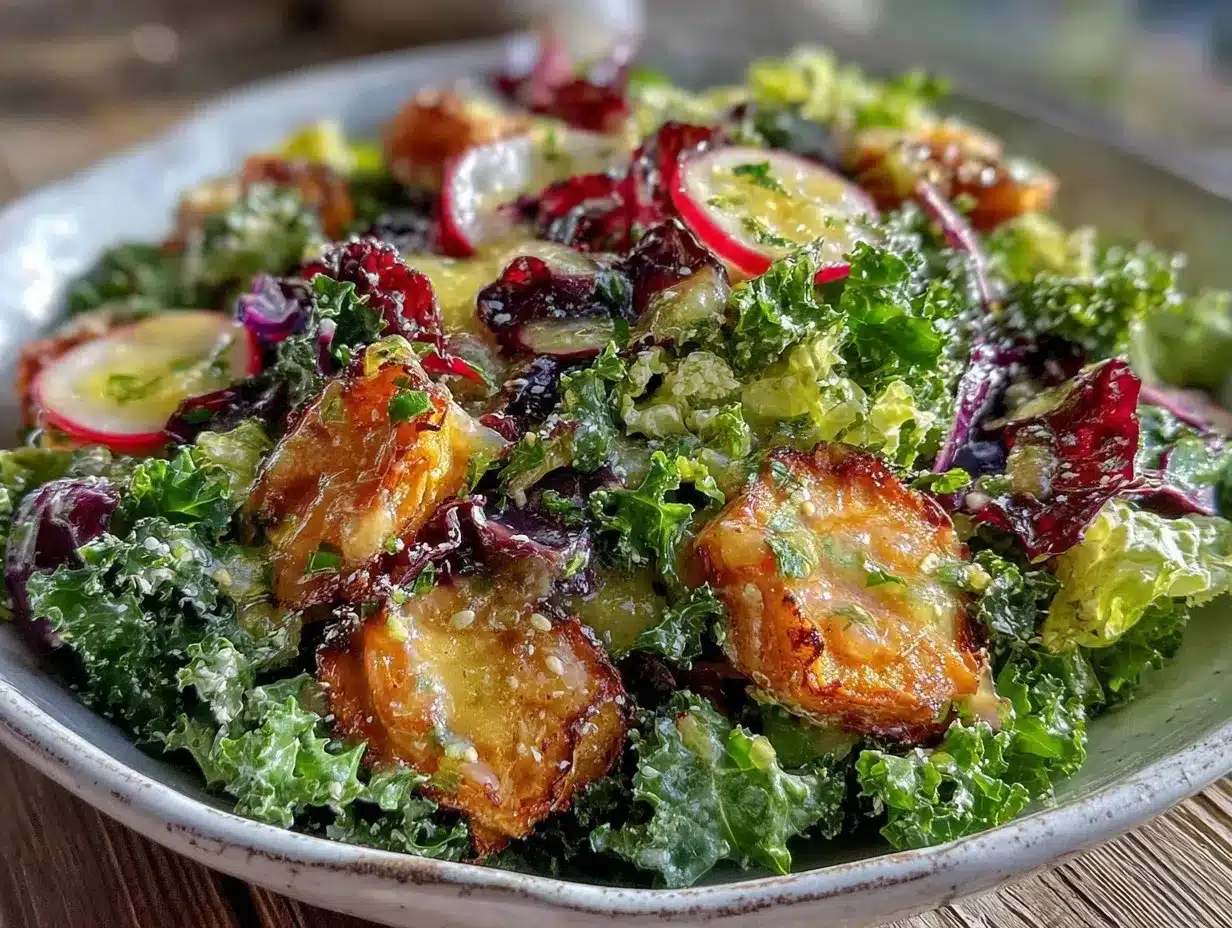
This Fresh Prebiotic Salad uses simple, wholesome ingredients to deliver bold flavors and satisfying texture without any fuss. Most are pantry staples or easy to find at your local market. If you want, you can swap some ingredients seasonally—like fresh fennel in summer instead of celery root for a crisp twist.
- For the Salad Base:
- 1 cup Jerusalem artichokes, thinly sliced (adds gentle sweetness and prebiotic fiber)
- 1 small fennel bulb, thinly sliced (fresh and slightly licorice-flavored; optional to substitute with celery root)
- 1 medium carrot, julienned or shredded (for natural sweetness and crunch)
- 1 cup red cabbage, finely shredded (colorful crunch and antioxidant power)
- 1/2 cup sauerkraut, drained (fermented goodness and tang)
- 1 small apple, julienned (adds a touch of natural sweetness and pairs beautifully with savory elements)
- For the Dressing:
- 3 tablespoons extra virgin olive oil (I prefer California Olive Ranch for its buttery taste)
- 2 tablespoons apple cider vinegar (raw and unfiltered, for gut health benefits)
- 1 teaspoon Dijon mustard (adds subtle heat and emulsifies the dressing)
- 1 teaspoon honey or maple syrup (balances acidity)
- Salt and freshly ground black pepper, to taste
- For Garnish:
- 2 tablespoons toasted walnuts or pecans (adds richness and crunch)
- Fresh parsley or dill, chopped (bright herbal notes)
Substitution tips: If you want to keep it vegan, swap honey for maple syrup. For a nut-free version, you can skip the toasted nuts or use roasted pumpkin seeds. And if you don’t have Jerusalem artichokes, slightly cooked chicory root or even raw jicama can work as a crunchy prebiotic alternative.
Equipment Needed
- A sharp chef’s knife for slicing and julienning the vegetables—trust me, it makes a huge difference in texture and ease.
- A mandoline slicer can speed things up, especially with the fennel and Jerusalem artichokes, but be careful with your fingers!
- A large mixing bowl to toss all the ingredients together comfortably.
- A small whisk or fork to emulsify the dressing thoroughly (I use a tiny whisk I found at a local kitchen shop, and it’s surprisingly handy).
- Cutting board(s) – I like to keep one separate for fruit and one for veggies to avoid mixing flavors unintentionally.
If you’re on a budget, a good quality chef’s knife and a sturdy bowl can cover most of this recipe with no extras needed. For storage, an airtight container is perfect if you want to prep ahead or save leftovers.
Preparation Method
- Prep the Veggies (10-12 minutes): Start by washing all your vegetables thoroughly. Using a sharp knife or mandoline, thinly slice the Jerusalem artichokes and fennel bulb. Julienne the carrot and apple, and finely shred the red cabbage. Drain the sauerkraut in a fine mesh sieve to remove excess liquid—this keeps the salad from getting soggy.
- Make the Dressing (3-5 minutes): In a small bowl, whisk together olive oil, apple cider vinegar, Dijon mustard, honey (or maple syrup), salt, and pepper until the dressing is smooth and slightly thickened. Taste and adjust seasoning as needed—remember, the acidity should be balanced with a hint of sweetness.
- Toss the Salad (2-3 minutes): In the large mixing bowl, combine all the prepared vegetables and the drained sauerkraut. Pour the dressing over the top and gently toss with tongs or salad spoons until everything is evenly coated. You want the veggies glossy but not drenched.
- Add Garnish and Serve (1-2 minutes): Sprinkle the toasted nuts and fresh herbs on top just before serving for extra crunch and a pop of color.
- Optional Resting: If you have 10-15 minutes, let the salad rest at room temperature to allow the flavors to marry. The textures stay delightfully crisp, and the dressing softens the sharper edges of the cabbage and artichokes.
Pro tip: If you find the Jerusalem artichokes a bit tough raw, you can briefly blanch them in boiling water for 30 seconds and then shock in ice water before slicing. This softens them slightly without losing crunch.
Cooking Tips & Techniques
When crafting this Fresh Prebiotic Salad, a few small tricks make all the difference. First, always slice your veggies thinly—thicker chunks overwhelm the delicate balance of flavors. A mandoline speeds this up but don’t rush; safety first!
Whisk your dressing vigorously to get a nice emulsion—this helps coat every piece evenly, so no dry bites. And trust me, a well-blended dressing changes the salad game.
One mistake I made early on was over-salting the dressing. Since sauerkraut is already salty, it’s better to season lightly at first and adjust after tossing. You can always add more pepper or vinegar, but salt is harder to dial back.
Timing helps too. Prep all the vegetables first so you’re not scrambling at the last minute. Toast your nuts in a dry skillet over medium heat for 3-5 minutes until fragrant—watch closely so they don’t burn. Toasting brings out a richer flavor that complements the tangy elements.
Lastly, if you’re prepping this salad ahead, keep the dressing separate and toss just before serving to maintain maximum crunch. Or, if you like a softer texture, let it sit for 20-30 minutes to mellow.
Variations & Adaptations
This Fresh Prebiotic Salad is a great base to tailor to your taste or dietary needs. Here are some variations I’ve tried or recommend:
- Seasonal Swap: In warmer months, swap fennel with thinly sliced cucumber or zucchini ribbons for a lighter feel.
- Protein Boost: Add cooked chickpeas or grilled chicken strips to turn this into a fuller meal.
- Vegan & Nut-Free: Use maple syrup in the dressing and swap nuts for toasted sunflower or pumpkin seeds.
- Spice It Up: Add a pinch of chili flakes or a dash of smoked paprika to the dressing for a subtle kick.
- Fermented Twist: Try swapping sauerkraut for kimchi to add a different fermented flavor and a bit more heat.
Personally, I love adding a handful of cooked quinoa or bulgur for an earthy texture and more fiber when I want a heartier lunch. It’s an easy way to make the salad more filling without losing its freshness.
Serving & Storage Suggestions
This salad shines best served fresh and slightly chilled or at room temperature. I like plating it in shallow bowls so the colors and textures really stand out. It pairs beautifully with grilled fish, roasted chicken, or even alongside a hearty lentil stew.
For storage, keep leftovers in an airtight container in the fridge for up to 2 days. The salad will soften a bit as the dressing seeps in, but it remains tasty. To revive some crunch, add a handful of fresh greens or nuts before serving again.
When reheating proteins or grains served alongside, keep the salad cold to preserve its fresh texture. If you want to prep this salad for a picnic or lunchbox, pack the dressing separately and toss just before eating.
Over time, the flavors deepen slightly, making it even more satisfying the next day—kind of like a homemade ferment party in your lunchbox!
Nutritional Information & Benefits
This Fresh Prebiotic Salad is a powerhouse of gut-friendly fiber and nutrients. A generous serving (about 1.5 cups) provides roughly:
| Nutrient | Amount |
|---|---|
| Calories | 180-200 kcal |
| Dietary Fiber | 6-8 grams |
| Protein | 3-4 grams |
| Fat | 12-14 grams (mostly healthy fats from olive oil and nuts) |
| Vitamin C | 30% of daily value |
Key ingredients like Jerusalem artichokes and sauerkraut deliver prebiotics—non-digestible fibers that feed beneficial gut bacteria. This supports digestion, immune function, and overall gut health. The apple cider vinegar in the dressing can aid digestion and blood sugar regulation.
For those with gluten sensitivities, this salad is naturally gluten-free. It’s also suitable for low-carb diets when enjoyed without the apple or nuts.
From a wellness standpoint, incorporating prebiotic foods like this salad regularly can contribute to better gut motility and nutrient absorption. It’s a delicious way to care for your microbiome without fuss.
Conclusion
This Fresh Prebiotic Salad for Gut-Friendly Fiber Boost is one of those recipes that feels like a small but meaningful step toward better health. It’s fresh, crunchy, tangy, and packed with ingredients that support your digestion and overall well-being.
I love how easy it is to make and how versatile it becomes with simple swaps or additions. Honestly, it’s become a staple in my kitchen rotation—whether I’m rushing through a busy day or hosting friends for a casual dinner.
Give it a try, tweak it to your liking, and let me know how it goes! I always enjoy hearing about your culinary adventures and adaptations. Here’s to happy guts and tasty meals that brighten your day.
Frequently Asked Questions
What are prebiotics, and why are they important in this salad?
Prebiotics are types of fiber that feed beneficial bacteria in your gut. This salad includes ingredients like Jerusalem artichokes and sauerkraut that provide prebiotic fiber to support digestion and gut health.
Can I make this salad ahead of time?
You can prep the vegetables in advance, but it’s best to keep the dressing separate and toss the salad just before serving to maintain crispness.
Is this salad suitable for a vegan diet?
Yes! Simply swap honey in the dressing for maple syrup to keep it completely plant-based.
What can I substitute if I don’t have Jerusalem artichokes?
Chicory root or raw jicama make great crunchy prebiotic alternatives if you can’t find Jerusalem artichokes.
How should I store leftovers?
Store leftovers in an airtight container in the fridge for up to two days. The salad will soften but remains delicious. Add fresh nuts or greens before serving again to refresh the texture.
By the way, if you love fresh, vibrant salads, you might appreciate how this recipe compares to my crispy garlic chicken dinner or the one-pot magic in my one-pot quinoa and vegetables recipe. Each brings its own twist on easy, wholesome meals perfect for busy lifestyles.
Pin This Recipe!
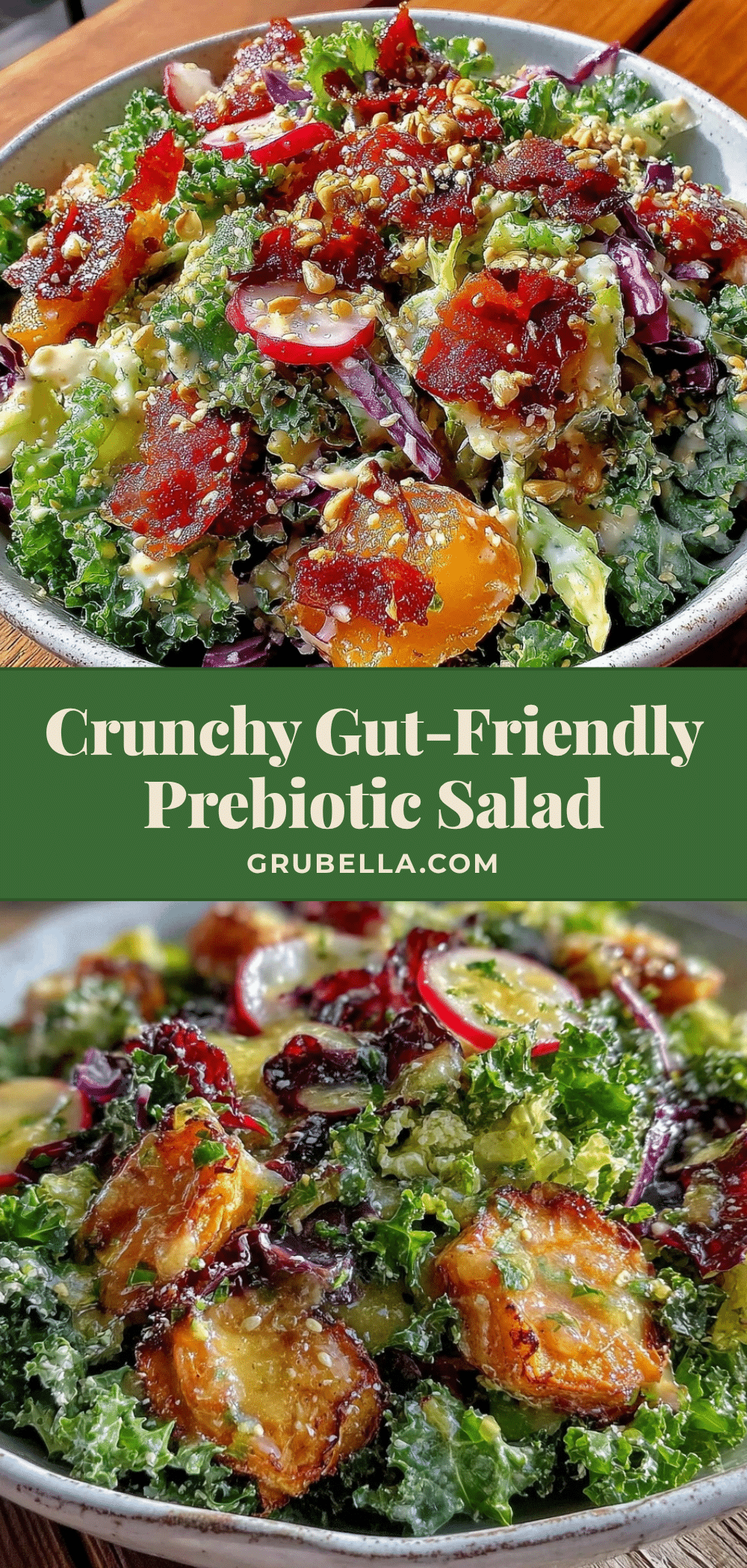
Fresh Prebiotic Salad Recipe for Easy Gut-Friendly Fiber Boost
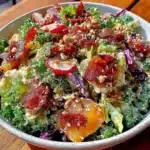
A quick, vibrant, and gut-friendly salad packed with prebiotic fiber from Jerusalem artichokes, sauerkraut, and fresh veggies. Perfect for a light lunch or side dish that supports digestion and overall gut health.
- Prep Time: 12 minutes
- Cook Time: 0 minutes
- Total Time: 12 minutes
- Yield: 4 servings 1x
- Category: Salad
- Cuisine: American
Ingredients
- 1 cup Jerusalem artichokes, thinly sliced
- 1 small fennel bulb, thinly sliced (optional substitute with celery root)
- 1 medium carrot, julienned or shredded
- 1 cup red cabbage, finely shredded
- 1/2 cup sauerkraut, drained
- 1 small apple, julienned
- 3 tablespoons extra virgin olive oil
- 2 tablespoons apple cider vinegar
- 1 teaspoon Dijon mustard
- 1 teaspoon honey or maple syrup
- Salt and freshly ground black pepper, to taste
- 2 tablespoons toasted walnuts or pecans
- Fresh parsley or dill, chopped
Instructions
- Wash all vegetables thoroughly. Using a sharp knife or mandoline, thinly slice the Jerusalem artichokes and fennel bulb. Julienne the carrot and apple, and finely shred the red cabbage. Drain the sauerkraut in a fine mesh sieve to remove excess liquid.
- In a small bowl, whisk together olive oil, apple cider vinegar, Dijon mustard, honey (or maple syrup), salt, and pepper until the dressing is smooth and slightly thickened. Adjust seasoning to taste.
- In a large mixing bowl, combine all the prepared vegetables and the drained sauerkraut. Pour the dressing over the top and gently toss until everything is evenly coated.
- Sprinkle the toasted nuts and fresh herbs on top just before serving.
- Optional: Let the salad rest at room temperature for 10-15 minutes to allow flavors to marry and soften sharper edges.
Notes
If Jerusalem artichokes are tough, blanch them for 30 seconds in boiling water then shock in ice water before slicing. For vegan version, substitute honey with maple syrup. For nut-free, omit nuts or use roasted pumpkin seeds. Keep dressing separate if prepping ahead to maintain crunch.
Nutrition
- Serving Size: About 1.5 cups per s
- Calories: 190
- Sugar: 7
- Sodium: 250
- Fat: 13
- Saturated Fat: 1.5
- Carbohydrates: 15
- Fiber: 7
- Protein: 3.5
Keywords: prebiotic salad, gut-friendly, fiber boost, Jerusalem artichokes, sauerkraut, healthy salad, easy salad recipe, fermented foods, vegan salad, gluten-free salad