Love this? Save it for later!
Share the inspiration with your friends
I did not trust meatloaf to be anything other than a dry, dense brick of ground beef that sat at the bottom of the fridge for three days. Honestly, I thought the idea of a sweet brown sugar ketchup glaze sounded like a mistake until I took that first bite of the version my neighbor made last Tuesday. She was the kind of person who treated cooking like a science experiment, but her meatloaf had this glossy, caramelized crust that looked almost too good to be true. I remember standing in her kitchen, watching her spoon the thick, dark sauce over the loaf, and feeling that familiar resistance. I wanted to believe it would be tender, but my past experiences with crumbling, overcooked loaves had taught me to keep my expectations low.
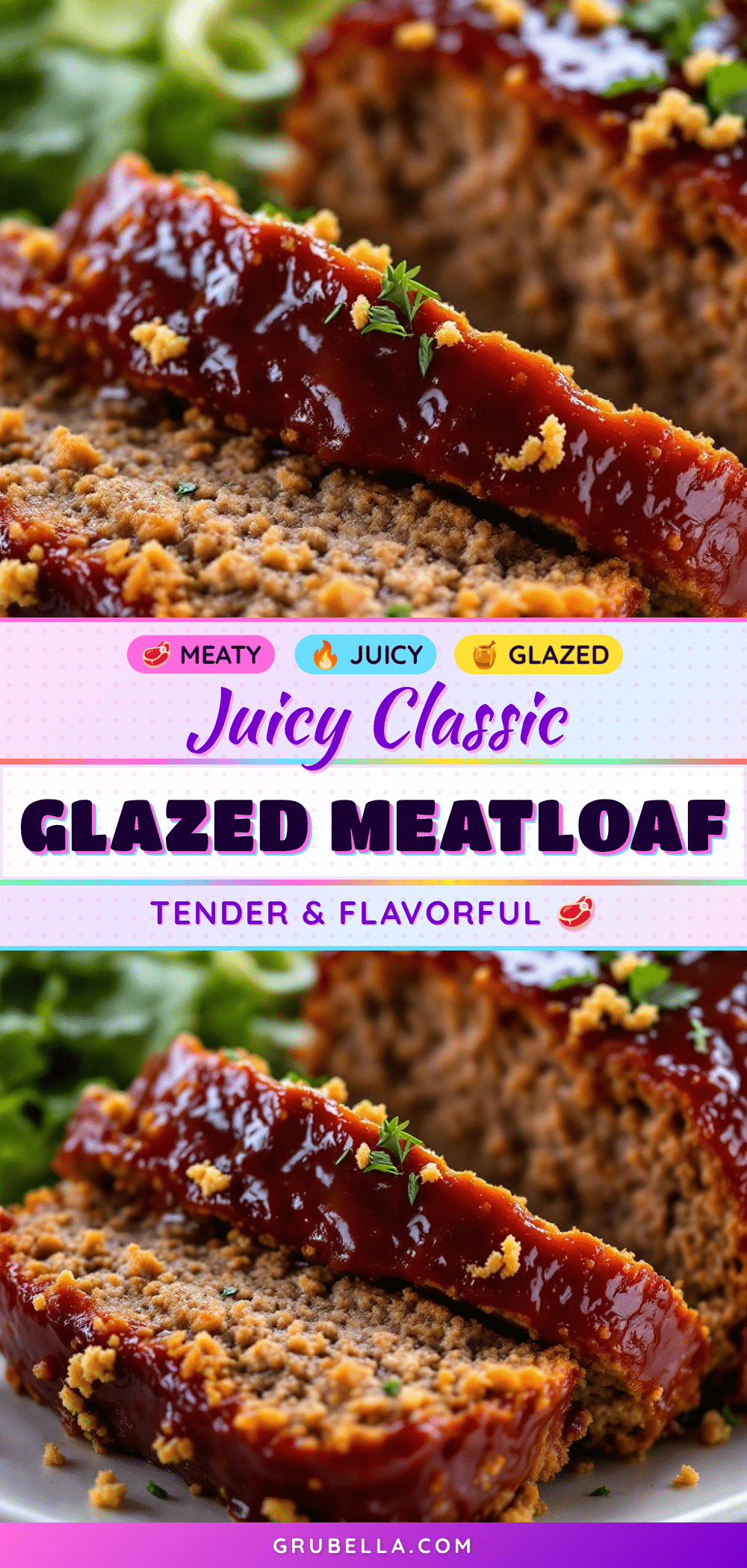
The smell hit me first, though. It wasn’t the usual heavy, metallic scent of baking beef. It was sweet, tangy, and deeply savory, filling the small kitchen with a warmth that felt like a hug. I cut into it, half-expecting the knife to hit a hard center, but instead, it slid through like butter. The texture was soft, juicy, and held together perfectly without being gummy. I took a bite, and the contrast between the rich, seasoned beef and the sticky, sweet glaze was immediate and surprising.
I didn’t say much at first, just kept eating slices while we talked about nothing important. The skepticism I carried around for years, thinking that comfort food had to be complicated or that simple recipes were just placeholders for laziness, just melted away. It wasn’t about being fancy. It was about getting the ratio of brown sugar to ketchup right and not overworking the meat. That quiet realization stuck with me more than any gourmet meal ever has. I realized that sometimes the best dinners are the ones that don’t try too hard, as long as you give them a little love and time.
Why You’ll Love This Classic Glazed Meatloaf Recipe
This recipe isn’t just another version of a classic dish; it is the result of testing dozens of variations to find the perfect balance between moisture and structure. I have spent years figuring out how to keep ground beef tender without relying on excessive breadcrumbs or milk, and this method finally nails it. The secret lies in the gentle handling of the meat and the specific type of glaze that caramelizes rather than burns.
Here is why this specific preparation stands out from the rest:
- Quick & Easy: Unlike many slow-cooked beef dishes, this comes together in under 30 minutes of prep time, making it perfect for busy weeknights when you want something hearty but don’t have hours to spare.
- Simple Ingredients: No fancy grocery trips are needed. You likely already have ground beef, eggs, and ketchup in your kitchen. It relies on pantry staples that deliver bold flavor without the fuss.
- Perfect for Meal Prep: While best served fresh, this recipe holds up remarkably well in the fridge. It pairs nicely with other easy weeknight sides, and if you are looking for other make-ahead options, you might enjoy checking out the easy freezer-friendly ground beef taco meal prep bowls for a different flavor profile later in the week.
- Crowd-Pleaser: Kids usually avoid anything labeled “diet” or “healthy,” but they devour this. The sweet glaze appeals to younger palates, while adults appreciate the savory depth of the beef.
- Unbelievably Delicious: The texture and flavor combo is next-level comfort food. The glaze creates a sticky, savory-sweet crust that contrasts with the tender interior.
What makes this recipe different is the technique. Many people overmix the meat, which leads to a tough, sausage-like texture. By using a gentle hand and letting the natural proteins bind the loaf, you get a soft bite every time. It is the kind of meal that makes you close your eyes after the first bite. It is comfort food reimagined—simpler, faster, but with the same soul-soothing satisfaction. Perfect for impressing guests without stress, or turning a simple Tuesday dinner into something memorable.
What Ingredients You Will Need for the Best Meatloaf
This recipe uses simple, wholesome ingredients to deliver bold flavor and satisfying texture without the fuss. The key to success here is quality. Since there are only a few components, each one plays a significant role in the final taste and texture of the loaf.
- Ground Beef (80/20 blend): You want a bit of fat here. Lean beef will result in a dry loaf. I recommend using a standard 80/20 ratio for the best balance of juiciness and structure. About 2 pounds should do it.
- Ketchup: This is the base of your glaze. Use a good quality brand like Heinz or Hunt’s for that consistent tangy sweetness. Avoid low-sugar versions as they often lack the body needed for caramelization.
- Brown Sugar: Dark brown sugar adds a molasses depth that white sugar simply cannot match. It helps create that glossy, sticky crust. Half a cup is usually the sweet spot.
- Yellow Mustard: This might seem like an odd addition, but it cuts through the richness of the beef and adds a subtle sharpness that balances the sweet glaze. It is essential for depth.
- Worcestershire Sauce: A few dashes of this umami-rich sauce enhance the beefy flavor without overpowering it. It is a pantry staple that makes a huge difference.
- Eggs: Two large eggs act as the binder. They hold the loaf together so it doesn’t fall apart in the pan. Room temperature eggs mix in more evenly.
- Milk: A small splash of milk helps keep the interior moist. It adds a bit of richness and helps distribute the seasonings evenly throughout the meat mixture.
- Onion and Garlic: Freshly minced onion and garlic provide the aromatic base. I prefer fresh over powder here for a brighter flavor. Finely dicing the onion ensures you don’t get large, raw chunks in the final slice.
- Seasonings: Salt, black pepper, and a pinch of paprika. The paprika adds a subtle warmth and color without making it taste like a spice-heavy curry.
You can swap the ground beef for ground turkey if you prefer a lighter option, but you will need to add an extra tablespoon of oil to the mix to compensate for the lower fat content. For a gluten-free version, just ensure your ketchup and Worcestershire sauce are certified gluten-free, as some brands use barley malt vinegar.
Equipment Needed
You do not need any specialized gadgets to make this meatloaf. A standard 9×5 inch loaf pan is ideal, but if you don’t have one, a baking sheet works just as well. Using a baking sheet allows the heat to circulate around the entire loaf, which can help the glaze caramelize more evenly. However, a loaf pan helps contain the juices, keeping the meat moist.
I personally prefer using a digital meat thermometer. It takes the guesswork out of cooking. Overcooked meatloaf is a common mistake, and a thermometer ensures you pull it out exactly when it reaches 160°F (71°C). If you do not have one, you can cut into the center to check, but this releases juices and can dry out the loaf.
A large mixing bowl is necessary for combining the ingredients. I find that a wide bowl is easier to work with than a deep one. A silicone spatula is helpful for scraping the sides and ensuring everything is mixed well without overworking the meat. Also, have a small saucepan or microwave-safe bowl ready for heating the glaze ingredients together. Heating the glaze before pouring it over the raw meat helps it spread more evenly and start caramelizing immediately.
Preparation Method
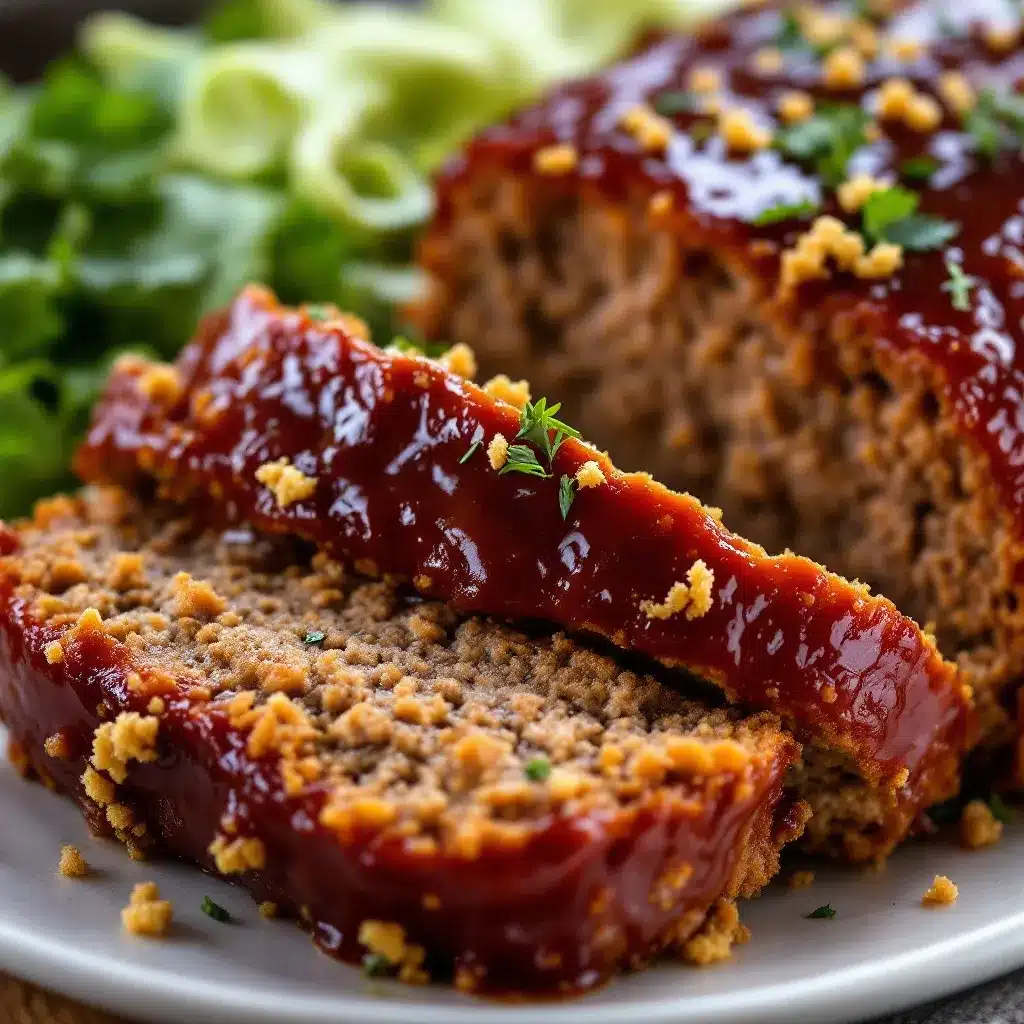
Preparing this classic glazed meatloaf is straightforward, but attention to detail matters. Follow these steps carefully to ensure a tender, juicy result.
- Preheat and Prep: Start by preheating your oven to 350°F (175°C). If using a loaf pan, grease it lightly with butter or cooking spray. This prevents sticking and makes cleanup easier. If using a baking sheet, line it with parchment paper for easy removal.
- Make the Glaze: In a small bowl, whisk together the ketchup, brown sugar, yellow mustard, and Worcestershire sauce. You can microwave this mixture for 30 seconds to help dissolve the brown sugar completely. Set aside about half of the glaze for later use. Reserve the other half to brush over the meatloaf before it goes into the oven.
- Mix the Meatloaf Base: In a large bowl, combine the ground beef, eggs, milk, minced onion, minced garlic, salt, pepper, and paprika. Use your hands or a fork to mix gently. Do not overmix! Overmixing develops the proteins and makes the meat tough. Stop as soon as the ingredients are just combined.
- Form the Loaf: Transfer the meat mixture to your prepared pan or baking sheet. Shape it into a loaf. If using a pan, press it gently into the corners. If using a sheet, form a rectangular loaf with slightly rounded edges. This shape helps the glaze distribute evenly.
- Apply Initial Glaze: Brush the reserved half of the glaze over the top of the raw meatloaf. This helps seal in the juices and starts the flavor profile early in the cooking process.
- Bake: Place the meatloaf in the preheated oven. Bake for 45 minutes. This initial bake sets the structure of the loaf.
- Add Final Glaze: Remove the meatloaf from the oven. Brush the remaining glaze over the top. This second application creates that deep, caramelized crust. Return to the oven for another 15-20 minutes.
- Check Temperature: Use a meat thermometer to check the internal temperature. It should reach 160°F (71°C). If it is not quite there, continue baking in 5-minute increments, checking frequently.
- Rest the Meatloaf: This is the most important step. Remove the meatloaf from the oven and let it rest for 10-15 minutes before slicing. This allows the juices to redistribute throughout the loaf. If you cut it immediately, the juices will run out, and the meatloaf will be dry.
During the resting phase, the meatloaf will continue to cook slightly due to residual heat. This carryover cooking helps ensure the center is fully done without drying out the edges.
Cooking Tips & Techniques
There are a few professional techniques that separate a good meatloaf from a great one. The biggest mistake people make is packing the meat too tightly. When you form the loaf, handle it as lightly as possible. Think of it like forming a snowball; gentle pressure is enough. If you pack it down like a burger patty, the finished loaf will be dense and hard to chew.
Another tip is to drain any excess fat after baking if you used a baking sheet. While the fat adds flavor during cooking, too much liquid in the pan can make the bottom of the loaf soggy. If you used a loaf pan, the fat is usually contained within the meat, so this is less of an issue.
Timing is also crucial. Oven temperatures can vary, so always rely on the internal temperature rather than the clock. A 3-pound loaf might take longer than a 2-pound loaf. If you are making a larger batch, plan for an extra 10-15 minutes of cooking time.
I once tried adding cheese to the center of my meatloaf, which sounded like a great idea at the time. However, the cheese melted out too quickly and created a mess in the oven. If you want to add cheese, mix it into the meat rather than stuffing the center. This keeps the texture consistent and prevents leakage.
Multitasking is easier with this recipe since the active cooking time is low. While the meatloaf is resting, you can prepare your side dishes. This makes it a very manageable dinner option for busy households.
Variations & Adaptations
While the classic version is my favorite, there are several ways to adapt this recipe to suit different tastes or dietary needs.
- Turkey Meatloaf: Substitute ground turkey for ground beef. Because turkey is leaner, add an extra tablespoon of olive oil or butter to the mixture. You may also want to increase the Worcestershire sauce to boost the savory flavor.
- Pork and Beef Blend: For a richer flavor, use a 50/50 mix of ground pork and ground beef. The pork adds a sweetness and tenderness that beef alone cannot achieve. This is a traditional variation in many Southern recipes.
- Gluten-Free: Ensure your ketchup and Worcestershire sauce are gluten-free. Most standard brands are, but always check the label. The rest of the ingredients are naturally gluten-free.
- Veggie Boost: Finely grate zucchini or carrots into the meat mixture. This adds moisture and nutrients without altering the flavor significantly. Squeeze out excess liquid from the vegetables before adding them to prevent a soggy loaf.
- Spicy Kick: Add a teaspoon of red pepper flakes or a dash of hot sauce to the glaze. This adds a nice heat that contrasts with the sweetness of the brown sugar.
I have tried adding breadcrumbs to this recipe in the past, but I found that the eggs and milk provided enough binding power. Omitting breadcrumbs also keeps the carb count lower and the texture softer. It is a small change that makes a big difference in the mouthfeel.
Serving & Storage Suggestions
This meatloaf is best served warm, straight from the oven. It pairs beautifully with creamy mashed potatoes, roasted carrots, or a simple green salad. The glaze is perfect for soaking up with bread or potatoes. For a complete meal, consider serving it alongside the easy garlic parmesan chicken and rice skillet if you want to switch up the protein for another night, but on meatloaf night, keep it simple.
Leftovers store well in the refrigerator. Place slices in an airtight container for up to 4 days. The flavors actually deepen after a day or two, making it excellent for cold sandwiches or reheated slices. To reheat, use the microwave for 1-2 minutes or wrap in foil and warm in a 350°F oven for 15 minutes.
You can also freeze meatloaf. It is best to freeze it after baking. Wrap individual slices tightly in plastic wrap and then in aluminum foil. They will keep for up to 3 months. Thaw in the refrigerator overnight before reheating. The texture may be slightly softer after freezing, but the flavor remains strong.
Nutritional Information & Benefits
This classic glazed meatloaf is a source of high-quality protein, making it a filling and satisfying meal. Ground beef provides essential nutrients like iron and vitamin B12. The eggs add additional protein and choline, which is important for brain health.
While the glaze contains sugar, the amount is balanced by the savory elements of the meat and mustard. For those watching their carbohydrate intake, omitting the brown sugar or using a sugar substitute can reduce the carb count significantly. The recipe is naturally low in carbohydrates if you skip the breadcrumbs.
It is important to note that this dish contains eggs and beef, so it is not suitable for those with allergies to these ingredients. However, it is gluten-free by default, which is a plus for many dietary preferences. Enjoying this meal is a great way to incorporate a hearty, home-cooked dinner into your routine without relying on processed foods.
Conclusion
This classic glazed meatloaf is worth trying because it delivers on comfort, flavor, and ease. It proves that simple ingredients, when treated with care, can create a memorable meal. I encourage you to customize it based on your preferences, whether that means adding spices or switching the meat type.
I love this recipe because it reminds me of simpler times, yet it fits perfectly into a modern, busy lifestyle. It is reliable, delicious, and always a hit. Give it a try and see how it becomes a staple in your rotation.
Leave a comment below with your variations or photos of your creation. I love seeing how you adapt this recipe to fit your family’s needs. Share this post with friends who need a reliable weeknight dinner idea. Happy cooking!
Frequently Asked Questions
Can I make this meatloaf in a slow cooker?
Yes, you can. Place the formed loaf in the slow cooker and cook on low for 6-8 hours or high for 3-4 hours. Brush with glaze during the last 30 minutes to allow it to caramelize.
Why is my meatloaf crumbling when I slice it?
This usually happens if the meat is overmixed or if there is not enough binder. Ensure you are using enough eggs and milk, and handle the meat gently. Also, let it rest for at least 10 minutes before slicing to allow the juices to set.
Can I freeze the raw meatloaf before baking?
It is best to bake it first and then freeze. Freezing raw ground beef can affect the texture, making it grainy when thawed and cooked. Baking it first preserves the moisture and structure.
What is the best side dish to serve with meatloaf?
Classic sides include mashed potatoes, green beans, roasted carrots, or macaroni and cheese. The glaze pairs particularly well with starchy sides that can soak up the sauce.
How do I know when the meatloaf is done without a thermometer?
You can insert a knife into the center. If it comes out hot to the touch and the juices run clear, it is likely done. However, a thermometer is the most accurate method to ensure food safety and optimal texture.
Pin This Recipe!
Classic Glazed Meatloaf: Best Easy 5-Ingredient Recipe
A tender, juicy meatloaf with a sweet and tangy brown sugar ketchup glaze. This easy weeknight dinner uses simple pantry staples and gentle handling techniques to avoid dryness.
- Prep Time: 15 minutes
- Cook Time: 60 minutes
- Total Time: 75 minutes
- Yield: 6 servings 1x
- Category: Main Course
- Cuisine: American
Ingredients
- 2 pounds ground beef (80/20 blend)
- 1 cup ketchup (divided)
- 1/2 cup dark brown sugar
- 1 tablespoon yellow mustard
- 1 tablespoon Worcestershire sauce
- 2 large eggs
- 2 tablespoons milk
- 1/2 cup finely minced onion
- 2 cloves garlic, minced
- 1 teaspoon salt
- 1/2 teaspoon black pepper
- 1/2 teaspoon paprika
Instructions
- Preheat oven to 350°F (175°C). Grease a 9×5 inch loaf pan or line a baking sheet with parchment paper.
- In a small bowl, whisk together 1/2 cup ketchup, brown sugar, mustard, and Worcestershire sauce. Microwave for 30 seconds to dissolve sugar. Reserve half for later; brush the other half over the raw meatloaf.
- In a large bowl, combine ground beef, eggs, milk, onion, garlic, salt, pepper, and paprika. Mix gently with hands or a fork until just combined. Do not overmix.
- Form the meat mixture into a loaf in the prepared pan or on the baking sheet.
- Brush the reserved glaze over the top of the raw meatloaf.
- Bake for 45 minutes.
- Remove from oven and brush with the remaining glaze. Return to oven and bake for another 15-20 minutes.
- Check internal temperature; it should reach 160°F (71°C).
- Remove from oven and let rest for 10-15 minutes before slicing to allow juices to redistribute.
Notes
Do not overmix the meat to avoid a tough texture. Let the meatloaf rest for 10-15 minutes after baking to ensure it stays juicy. If using a baking sheet, drain excess fat after cooking. For a turkey version, add an extra tablespoon of oil.
Nutrition
- Serving Size: 1 slice
- Calories: 450
- Sugar: 20
- Sodium: 650
- Fat: 28
- Saturated Fat: 10
- Carbohydrates: 22
- Fiber: 1
- Protein: 30
Keywords: meatloaf, ground beef recipe, easy dinner, weeknight meals, comfort food, glazed meatloaf, family friendly