Love this? Save it for later!
Share the inspiration with your friends
The clock on the microwave blinked 3:14 AM when the power went out. No warning. No gradual dimming. Just *snap*, and the house plunged into a silence so heavy it felt like pressure against my ears. I sat up in bed, heart hammering, waiting for the emergency generator to kick in. It didn’t. Outside, the neighborhood was dark, save for the occasional flash of lightning from a storm that had been brewing all evening.
My first thought wasn’t about the weather or the broken fridge. It was about tomorrow. Tomorrow was Saturday. Tomorrow was supposed to be the day I finally made the Cozy Overnight Baked French Toast Casserole for my family’s early morning outing to the winter farmer’s market. I had bought the brioche. I had measured the spices. I had even pre-chopped the pecans. Now, with the oven dead and the house cold, that carefully planned morning felt like it was slipping away into the dark.
I dragged myself to the kitchen, fumbling for a flashlight on my phone. The beam cut through the gloom, illuminating the dish I’d prepped the night before. The bread was already soaked. The custard had settled into the gaps. It was sitting there, waiting, indifferent to the blackout. I stood there for a long minute, shivering in my pajamas, watching the steam from my hot tea fog up the flashlight lens.
Then, a strange calm washed over me. I realized I didn’t need to cook it. I didn’t need to rush. I just needed to let it sit. So I did. I left the dish in the cold kitchen, wrapped in a towel to keep it from getting too cold, and went back to bed. I slept like a rock.
When the power came back at 7:00 AM, I didn’t panic. I just turned on the oven. The smell that filled the house wasn’t just breakfast; it was nostalgia. It was warm, buttery, and smelled like safety. The bread, which had soaked up the egg mixture in the chill, turned out even creamier than I had planned. It was soft, custardy, and perfect. That morning taught me that sometimes the best meals aren’t the ones you plan perfectly. They’re the ones that survive the chaos. This casserole is forgiving. It’s resilient. And it tastes like a hug.
Why You’ll Love This Recipe
Let’s be honest, who has the energy to stand over a griddle flipping individual slices of French toast at 6:00 AM? Nobody. Nobody wants to do that. This Cozy Overnight Baked French Toast Casserole is the answer to all your lazy morning prayers. I’ve tested this recipe dozens of times, and honestly, it’s the only breakfast dish that consistently gets rave reviews from picky eaters and foodies alike.
Here is why this recipe is a staple in my kitchen:
- Zero Morning Stress: The magic happens the night before. You assemble everything in about ten minutes, pop it in the fridge, and sleep in. When you wake up, your breakfast is already ready to go. It is perfect for busy weeknights or lazy weekend mornings.
- Pantry Staple Friendly: You likely already have everything you need. Bread, eggs, milk, cinnamon, and a little sugar. No fancy grocery trips needed. It’s humble, simple cooking at its finest.
- Perfect for Crowds: Whether it’s a holiday brunch, a potluck, or just feeding a hungry family of five, this casserole scales beautifully. It’s always a crowd-pleaser because everyone loves the texture of baked custard.
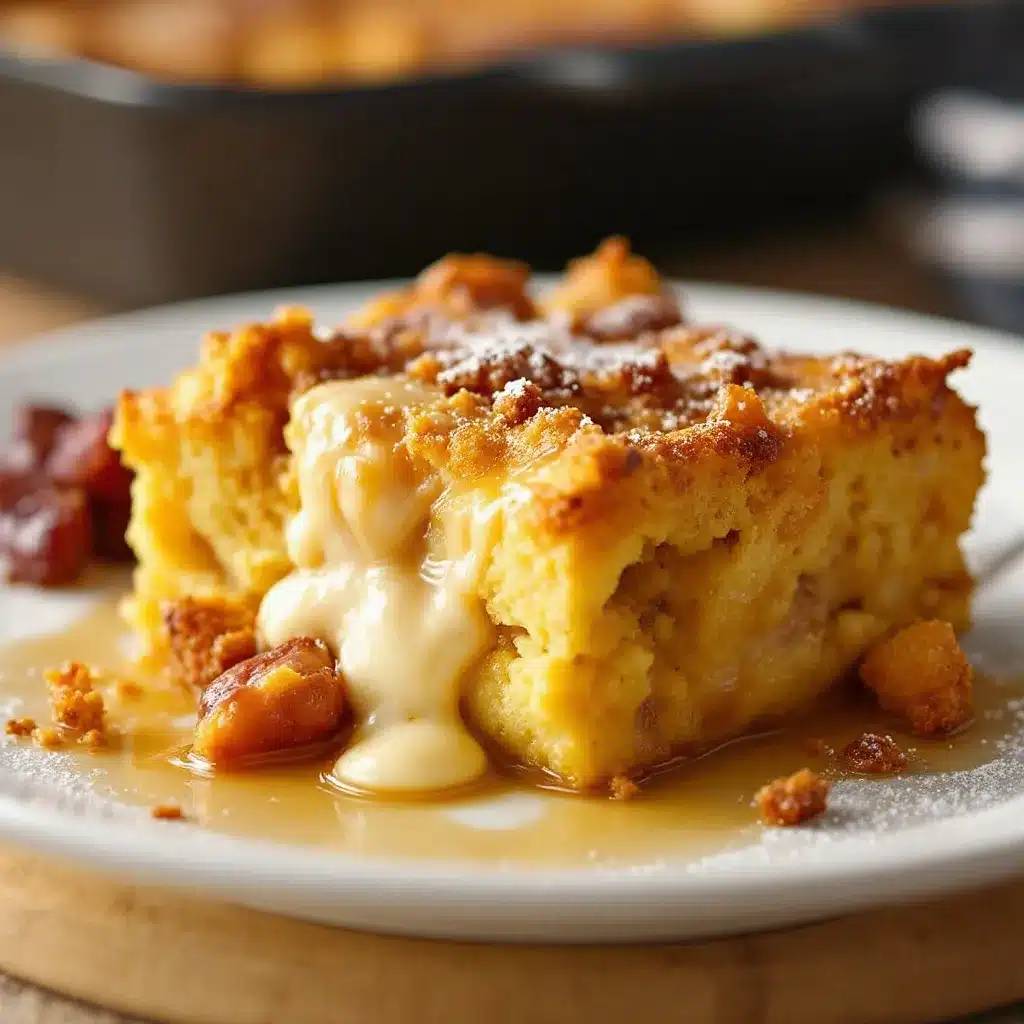
- Unbelievably Delicious: The texture is next-level comfort food. The edges get slightly crispy and caramelized, while the center remains soft, rich, and pudding-like. It’s not just good; it’s the kind of meal that makes you close your eyes after the first bite.
- Consistent Results: Unlike flipping pancakes where you might burn one and undercook another, this oven-baked method ensures every single piece is cooked evenly. It’s foolproof.
What makes this different from the rest? It’s the ratio of bread to custard. Too much bread, and it’s dry. Too much egg, and it’s just a weird omelet. I’ve spent years tweaking this balance to get that sweet spot where the bread holds its shape but absorbs every bit of flavor. It’s comfort food reimagined—easier than it looks, but with the same soul-soothing satisfaction as a diner classic.
What Ingredients You Will Need
This recipe uses simple, wholesome ingredients to deliver bold flavor and satisfying texture without the fuss. The beauty of this dish is that it relies on quality basics rather than obscure spices. Here is what you need to get started.
For the Base:
- Brioche or Challah Bread (1 loaf): You need a rich, eggy bread that can soak up liquid without turning to mush. Brioche is my top choice for its buttery richness, but challah works just as well. Avoid dense sandwich bread; it won’t absorb the custard properly. Look for a loaf that is a day or two old; stale bread soaks better than fresh bread.
- Unsalted Butter (1/2 cup, melted): This adds richness and helps create that golden, caramelized crust on top. I prefer using high-quality European-style butter for a deeper flavor, but standard unsalted butter works perfectly fine. Melt it in the microwave or a saucepan before pouring it over the bread.
For the Custard:
- Large Eggs (6 large): These are the structure of the dish. Room temperature eggs mix more evenly into the milk, creating a smoother custard. Don’t skip this step if you have time, but cold eggs won’t ruin it.
- Whole Milk (2 cups): Whole milk provides the best creaminess. If you are watching your fat intake, you can use 2% milk, but the texture will be slightly less luxuriously rich. For a dairy-free option, oat milk is the best substitute because it has a neutral flavor and good creaminess.
- Heavy Cream (1 cup): This is the secret weapon. It adds the necessary fat content to make the interior custardy rather than eggy. If you don’t have heavy cream, you can substitute with more whole milk, but the result will be lighter.
- Granulated Sugar (1/2 cup): This balances the savory notes of the eggs and bread. If you prefer a less sweet casserole, reduce this to 1/4 cup. Brown sugar can also be used for a deeper, caramel-like flavor.
- Pure Vanilla Extract (2 teaspoons): Use real vanilla, not imitation. It makes a noticeable difference in the aroma and flavor profile.
For the Spice Blend & Topping:
- Ground Cinnamon (1 tablespoon): The star of the show. Make sure your cinnamon is fresh; old cinnamon loses its punch quickly.
- Nutmeg (1/2 teaspoon): A little goes a long way. It adds warmth and complexity. Grate it fresh if you can, but pre-ground is fine.
- Salt (1/2 teaspoon): Never skip the salt. It enhances the sweetness and balances the flavors.
- Chopped Pecans or Walnuts (1/2 cup, optional): Adds a necessary crunch to contrast the soft texture. Toast them lightly in a pan before adding for extra flavor.
Equipment Needed
You don’t need a fancy kitchen to make this. Here is what you’ll need:
- 9×13 Inch Baking Dish: A standard ceramic or glass baking dish works best. I prefer Pyrex because it heats evenly. If you use a metal pan, the edges might brown faster, so keep an eye on it.
- Large Whisk: Essential for breaking up the eggs and blending the milk and cream into a smooth custard. A balloon whisk is ideal.
- Measuring Cups and Spoons: Precision matters here. Too much liquid, and it’s soup. Too little, and it’s dry.
- Sharp Knife and Cutting Board: To cube the bread. A serrated knife works well for slicing through soft brioche without squishing it.
- Plastic Wrap or Aluminum Foil: To cover the dish while it soaks in the fridge. Plastic wrap is better for sealing out fridge odors.
Preparation Method
Let’s walk through the steps. It’s simple, but attention to detail makes the difference between good and great.
- Prepare the Bread (10 minutes): Start by cutting your brioche or challah loaf into 1-inch cubes. You want them relatively uniform so they cook evenly. If your bread is very fresh and soft, let the cubes sit out on the counter for an hour to dry out slightly. This prevents the casserole from becoming soggy. Place the bread cubes into your greased 9×13 inch baking dish. Arrange them in a single, even layer if possible, though it’s okay if they stack a little.
- Melt the Butter: In a small saucepan or microwave-safe bowl, melt the 1/2 cup of unsalted butter. Let it cool slightly so it’s warm, not boiling hot. Drizzle this melted butter evenly over the bread cubes. Use your hands or a spatula to toss the bread gently, ensuring every piece is coated in butter. This step is crucial for flavor and texture.
- Make the Custard (5 minutes): In a large mixing bowl, crack the six eggs. Whisk them until they are fully beaten. Add the whole milk, heavy cream, granulated sugar, vanilla extract, ground cinnamon, nutmeg, and salt. Whisk vigorously until the sugar is completely dissolved and the mixture is smooth and slightly frothy. You want no streaks of egg white remaining.
- Pour and Soak: Slowly pour the custard mixture over the buttered bread. Use a spoon to spread it around, making sure you get the liquid into all the nooks and crannies. Press down gently on the bread with the back of your spoon to help it absorb the liquid. If you have leftover custard, pour it over the top.
- Refrigerate Overnight: Cover the dish tightly with plastic wrap or aluminum foil. Place it in the refrigerator for at least 8 hours, or up to 12 hours. This long soak allows the bread to fully absorb the custard, resulting in that signature soft, pudding-like interior. Do not skip this step; rushing it will result in dry edges and a runny center.
- Preheat the Oven: When you are ready to bake, preheat your oven to 350°F (175°C). Take the casserole out of the fridge and remove the plastic wrap. Let it sit on the counter for 20-30 minutes while the oven heats up. This brings the dish closer to room temperature, ensuring even baking.
- Add Toppings: If you are using nuts, sprinkle them evenly over the top now. You can also add a few extra pats of butter on top for a richer crust.
- Bake: Place the dish in the preheated oven. Bake for 45-55 minutes. The casserole is done when the top is golden brown and puffed, and the center is set but still has a slight jiggle (like a custard). Insert a knife into the center; it should come out clean or with just a few moist crumbs. If the top is browning too quickly, loosely tent it with aluminum foil.
- Cool and Serve: Let the casserole rest for 10-15 minutes before serving. This allows the custard to set further, making it easier to cut into squares. Serve warm with maple syrup, powdered sugar, or fresh berries.
Cooking Tips & Techniques
I’ve made this enough times to know where things can go wrong. Here is how to avoid the pitfalls.
Don’t Rush the Soak: The most common mistake is baking it immediately after assembly. The bread needs time to hydrate. If you bake it right away, the outside will dry out before the inside cooks. Patience is key here.
Bread Choice Matters: Avoid whole wheat or dense rye breads for this specific recipe. They don’t absorb custard well and can turn gummy. Stick to white, brioche, challah, or sourdough. Sourdough gives a nice tangy contrast if you like that flavor.
Check for Doneness: Ovens vary. Some run hot, some run cold. Start checking at 45 minutes. The visual cue is a golden, crispy top. The tactile cue is a firm center with a slight jiggle. If it’s liquidy in the middle, cover with foil and bake for another 10 minutes.
Butter Distribution: Make sure every piece of bread gets coated in butter before adding the custard. This creates the barrier that prevents the bread from becoming a mushy mess. It also adds that rich, fried texture we love in French toast.
Resting Time: I know it’s hard to wait, but letting it rest for 10 minutes after baking is important. The residual heat continues to cook the center, and the custard firms up. Cutting into it immediately can cause it to collapse.
Variations & Adaptations
This recipe is a blank canvas. Here are some ways to make it your own.
- Berry Burst: Add 1 cup of fresh or frozen blueberries, raspberries, or blackberries between the bread layers. The juices will bleed into the custard, creating pockets of fruity flavor. Note: Frozen berries may release more water, so reduce the milk slightly by 2 tablespoons.
- Maple Pecan: Swap the granulated sugar for brown sugar. Add 1/2 cup of chopped pecans and drizzle 1/4 cup of pure maple syrup over the top before baking. This version is incredibly rich and perfect for fall.
- Chocolate Chip: Sprinkle 1/2 cup of semi-sweet chocolate chips over the bread before adding the custard. It turns into a dessert-like breakfast that kids absolutely love.
- Gluten-Free: Use gluten-free brioche or challah. Most gluten-free breads are softer, so you may need to reduce the soaking time slightly or use less liquid. Test a small batch first.
- Dairy-Free: Use coconut milk or oat milk instead of dairy milk and cream. Use coconut oil or dairy-free butter for the topping. The flavor will be slightly different, but still delicious.
Serving & Storage Suggestions
Serving: This casserole is best served warm. I love it with a dusting of powdered sugar and a dollop of whipped cream. It pairs beautifully with crisp bacon or sausage links. For a lighter option, serve it with a side of fresh fruit salad.
Storage: Leftovers can be stored in an airtight container in the refrigerator for up to 4 days. The texture will firm up in the fridge, so reheating is recommended.
Reheating: Reheat individual portions in the microwave for 1-2 minutes. For the whole casserole, cover with foil and bake at 350°F for 15-20 minutes until warmed through. You can also freeze the unbaked casserole. Wrap it tightly in plastic and foil, and freeze for up to 3 months. Thaw in the fridge overnight before baking as directed.
Flavor Development: Interestingly, this dish often tastes better the second day. The flavors meld together, and the bread becomes even more tender. It’s a great make-ahead option for holiday mornings.
Nutritional Information & Benefits
This casserole is a hearty meal, rich in protein from the eggs and calcium from the milk. A typical serving contains approximately 350-400 calories, depending on the bread and toppings used. It is a good source of carbohydrates for energy, making it a perfect start to a busy day.
For those watching their sugar intake, you can reduce the granulated sugar and rely on the natural sweetness of the bread and vanilla. It is naturally gluten-free if you use gluten-free bread, and it can be made dairy-free with simple substitutions. While it is a treat, using whole eggs and real butter provides satiety that keeps you full longer than sugary cereals or pastries.
Conclusion
This Cozy Overnight Baked French Toast Casserole is more than just breakfast; it’s a promise of a slower morning. It’s the dish that lets you enjoy your family instead of being stuck in the kitchen. I love it because it’s forgiving, delicious, and brings everyone to the table.
I encourage you to try it your way. Add your favorite berries, swap the nuts, or go heavy on the cinnamon. Make it yours. If you try this recipe, I’d love to hear how it turned out. Leave a comment below with your favorite variation or just tell me about your morning. Share this with a friend who needs a lazy Saturday breakfast idea. Here’s to cozy mornings and full hearts.
FAQs
Can I make this the night before and bake it in the morning?
Yes, that is the best way to make it. Assemble it, cover it, and refrigerate it for 8-12 hours. This allows the bread to fully absorb the custard, resulting in the best texture.
What kind of bread is best for French toast casserole?
Brioche and challah are the best choices because they are rich and eggy. Sourdough is also a great option if you want a tangier flavor. Avoid dense, whole wheat breads as they don’t absorb the custard well.
Can I freeze the unbaked casserole?
Yes! Assemble the casserole, cover it tightly with plastic wrap and foil, and freeze it for up to 3 months. Thaw it in the refrigerator overnight before baking. You may need to add 5-10 minutes to the baking time if it’s still cold from the fridge.
How do I know when the casserole is done?
The top should be golden brown and puffed. The center should be set but still have a slight jiggle, like a custard. If you insert a knife into the center, it should come out clean or with just a few moist crumbs.
Can I use milk instead of heavy cream?
You can use all whole milk, but the texture will be less rich and creamy. The heavy cream adds fat that creates that luxurious, pudding-like center. If you must substitute, use half-and-half for a middle ground.
Pin This Recipe!
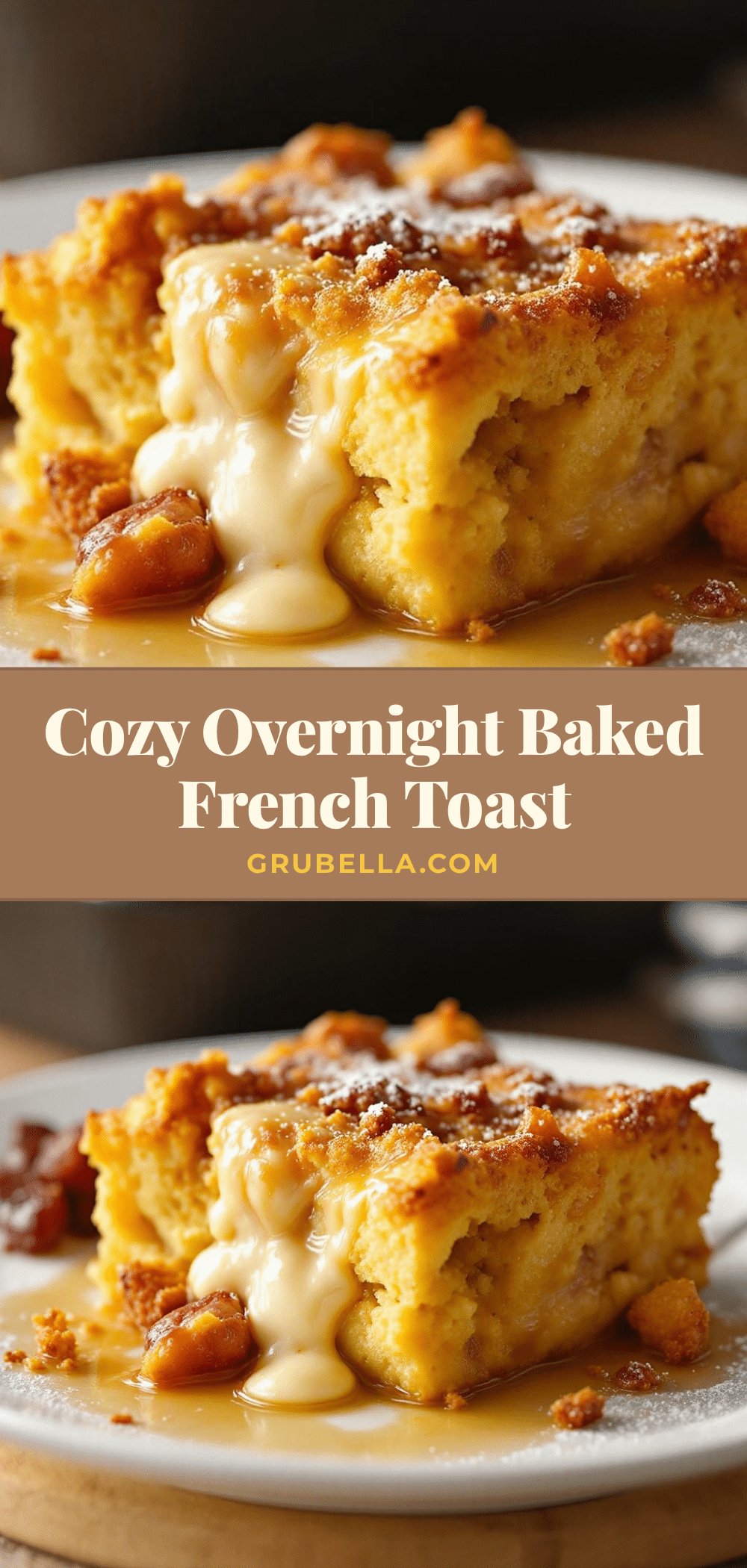
Cozy Overnight Baked French Toast Casserole
A forgiving and delicious overnight French toast casserole that requires minimal morning effort. Rich, custardy, and perfect for feeding a crowd or enjoying a lazy weekend breakfast.
- Prep Time: 15 minutes
- Cook Time: 55 minutes
- Total Time: 1 hour 10 minutes
- Yield: 8 servings 1x
- Category: Breakfast
- Cuisine: American
Ingredients
- 1 loaf Brioche or Challah bread (cut into 1-inch cubes)
- 1/2 cup unsalted butter (melted)
- 6 large eggs
- 2 cups whole milk
- 1 cup heavy cream
- 1/2 cup granulated sugar
- 2 teaspoons pure vanilla extract
- 1 tablespoon ground cinnamon
- 1/2 teaspoon nutmeg
- 1/2 teaspoon salt
- 1/2 cup chopped pecans or walnuts (optional)
Instructions
- Cut the bread into 1-inch cubes and place them in a greased 9×13 inch baking dish.
- Melt the butter and drizzle it evenly over the bread cubes, tossing gently to coat.
- In a large bowl, whisk eggs, milk, heavy cream, sugar, vanilla, cinnamon, nutmeg, and salt until smooth.
- Pour the custard mixture over the bread, pressing down gently to ensure absorption.
- Cover the dish with plastic wrap or foil and refrigerate for at least 8 hours (or up to 12).
- Preheat oven to 350°F (175°C). Let the casserole sit at room temperature for 20-30 minutes while the oven heats.
- Sprinkle nuts on top if using.
- Bake for 45-55 minutes until golden brown and set but slightly jiggly in the center.
- Let rest for 10-15 minutes before serving.
Notes
Use day-old bread for best absorption. Do not rush the soaking time. If the top browns too quickly, tent with foil. Can be frozen unbaked for up to 3 months.
Nutrition
- Serving Size: 1 square slice
- Calories: 375
- Sugar: 18
- Sodium: 250
- Fat: 22
- Saturated Fat: 11
- Carbohydrates: 32
- Fiber: 1
- Protein: 10
Keywords: french toast casserole, overnight breakfast, brioche, easy brunch, family breakfast, make-ahead meal